Lake Naivasha basin ecosystem management
The project objective is to restore forest ecosystems and reduce land degradation in the LNB catchment for increased protection of Lake Naivasha’s water resources, biodiversity, and associated ecosystem services to support the local and national economy.
© Simon Rawles/WWF
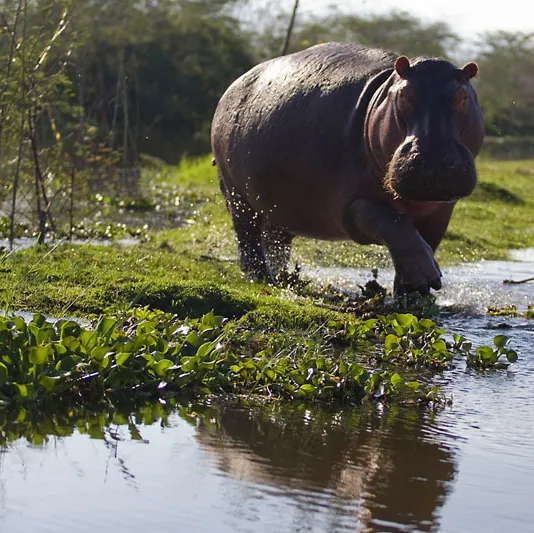
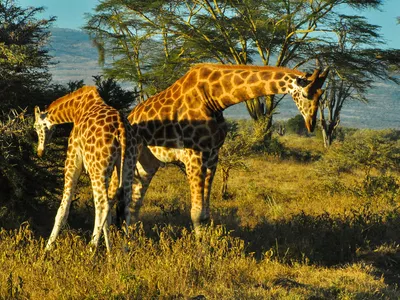
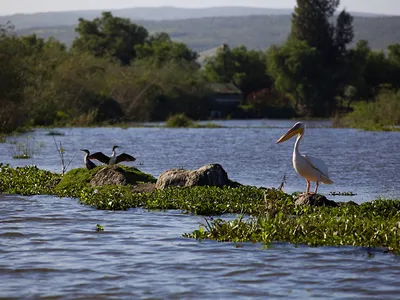
Lake Naivasha is one of the two freshwater lakes in the Kenyan part of the Rift. The key values provided by Lake Naivasha Basin (LNB) are globally significant biodiversity, and provision of water and fertile soil. In 1990, the LNB was designated as a wetland of international importance. The freshwater supports a rich ecosystem with hundreds of bird species, papyrus fringes filled with hippos, riparian lands where waterbuck, giraffe, zebra and various antelopes graze, dense patches of acacia forest with buffalos, bushbuck and swampy areas where waterfowl breed and feed. Loss and degradation of soil, water and habitat in the LNB causes land degradation, loss of biodiversity and reduces provision of ecosystem services.
The project objective is to restore forest ecosystems and reduce land degradation in the LNB catchment for increased protection of Lake Naivasha’s water resources, biodiversity, and associated ecosystem services to support the local and national economy.
Country: Kenya
Focal area: Biodiversity, Land Degradation
Project status: CEO Endorsed
GEF Project ID: 10589
Implementing Agency: WWF-US
Executing Agency: NETFUND
GEF Project Grant: US$ 1,785,422
Co-financing total: US$10,525,689
GEF Agency Fee: US$ 160,688
PIF Stage Documents
CEO Endorsement Documents
Environmental and Social Safeguards Documents
© Colby Loucks/WWF-US
© Simon Rawles/WWF
© Simon Rawles/WWF