Publications
-
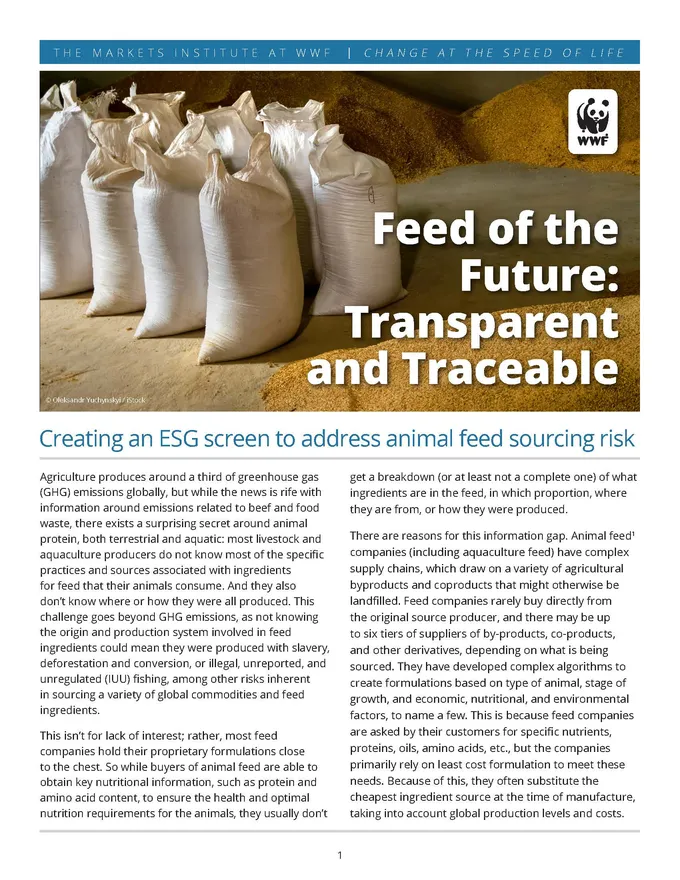
This business case examines the creation and implementation of an Environmental, Social, and Governance (ESG) screen to address animal feed sourcing risk.
-
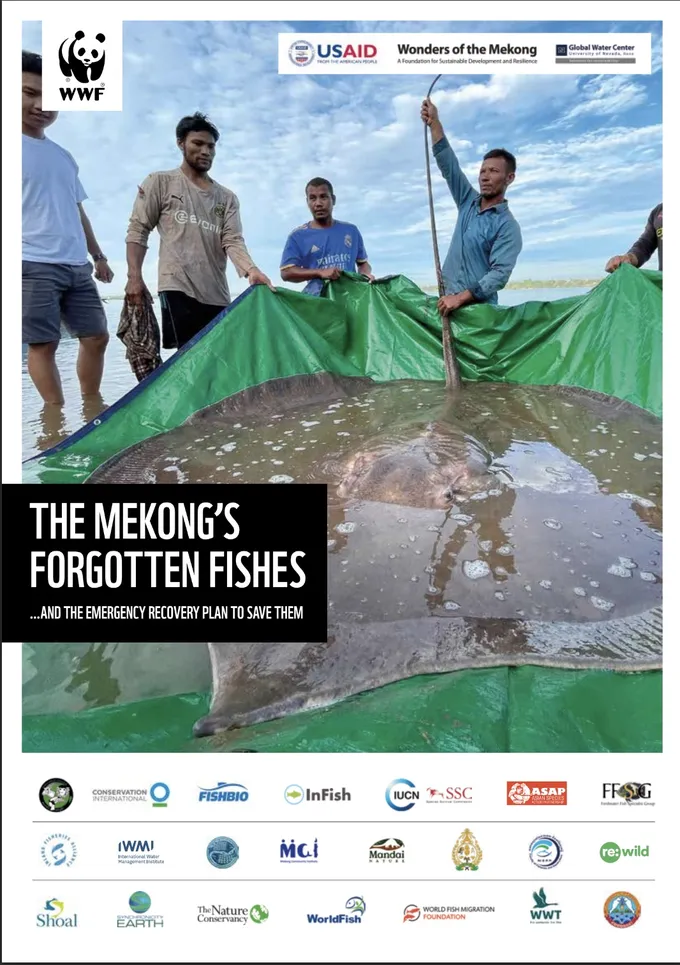
The Mekong River sustains a rich tapestry of fish species crucial for the well-being, food security, and livelihoods of millions in the region. However, these vital creatures face escalating threats, with one in five already endangered. A report by 25 organizations unveils the staggering diversity of the Mekong's fish, numbering at least 1,148 species and comprising the third most biodiverse river ecosystem globally. From giants to minnows, the Mekong hosts an astonishing array of fish life, including one of Earth's largest animal migrations, totaling around 5 billion individuals. This unprecedented report underscores the indispensable role these fish play in maintaining the river's health, sustaining economies, and ensuring the food security of over 40 million people who depend on the Mekong's inland fishery, generating over US$11 billion annually.
-
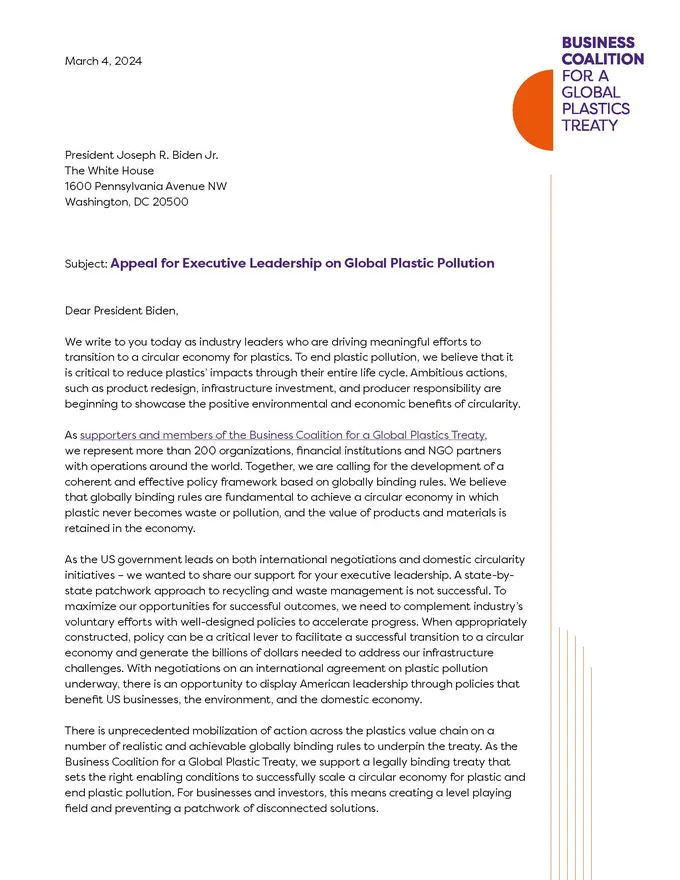
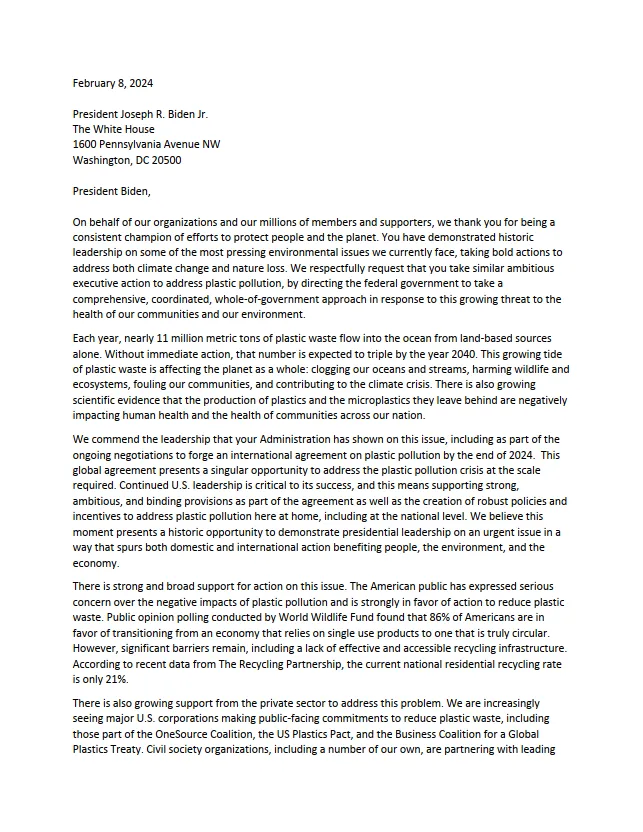
On March 4, the Business Coalition for a Global Plastics treaty issued a letter to President Biden appealing for executive leadership on global plastic pollution.
-
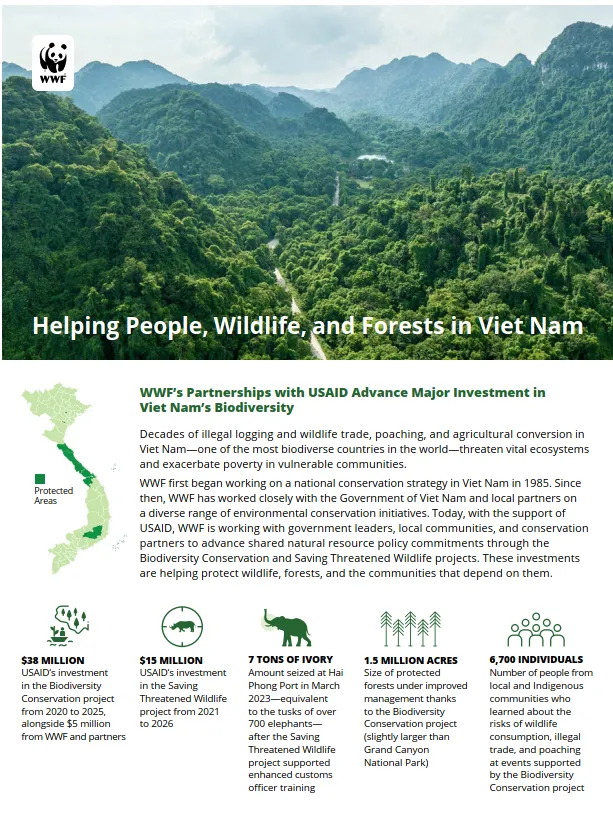
Decades of illegal logging and wildlife trade, poaching, and agricultural conversion in Viet Nam‚ – one of the most biodiverse countries in the world‚ – threaten vital ecosystems and exacerbate poverty in vulnerable communities. WWF first began working on a national conservation strategy in Viet Nam in 1985. Since then, WWF has worked closely with the Government of Viet Nam and local partners on a diverse range of environmental conservation initiatives. Today, with the support of USAID, WWF is working with the Government of Viet Nam, local communities, and conservation partners to advance shared natural resource policy commitments through the Biodiversity Conservation and Saving Threatened Wildlife projects. These investments are helping protect wildlife, forests, and the communities that depend on them.
-
WWF joined several NGOs and foundations, including The Recycling Partnership, Monterey Bay Aquarium, The Ocean Foundation, Ellen MacArthur Foundation and The Pew Charitable Trusts, to issue a letter to President Biden calling for him to direct a whole-of-government approach at the federal level to advance ambitious solutions to plastic pollution, both in the US and internationally. These leading organizations urged the president to take action that establishes a national goal and targets to reduce plastic pollution; develops national frameworks to advance the transition to a circular economy; improves waste management infrastructure; prioritizes the health of people, communities, and ecosystems; and supports strong international cooperation.
-
This new Policy Brief discusses the political economy of a green recovery in Ukraine. It analyses how corruption might inhibit green, equitable and sustainable reconstruction in Ukraine, the drivers of this corruption and the political opportunities for tackling it. It recommends joining up the anti-corruption and environmental reform agendas, ensuring citizen and community involvement in post-war recovery and building on wartime community self-help initiatives. The brief is based on research undertaken in 2022 by Anna Paterson, Andrii Biletskyi, Lyubov Palyvoda and Sam Bickersteth for the Worldwide Fund for Nature (WWF) Ukraine, with support from the Targeting Natural Resource Corruption project.
---
This content is made possible by the generous support of the American people through the United States Agency for International Development (USAID). The contents are the responsibility of World Wildlife Fund (WWF) and do not necessarily reflect the views of USAID, the United States Government, or individual TNRC consortium members.
-
-
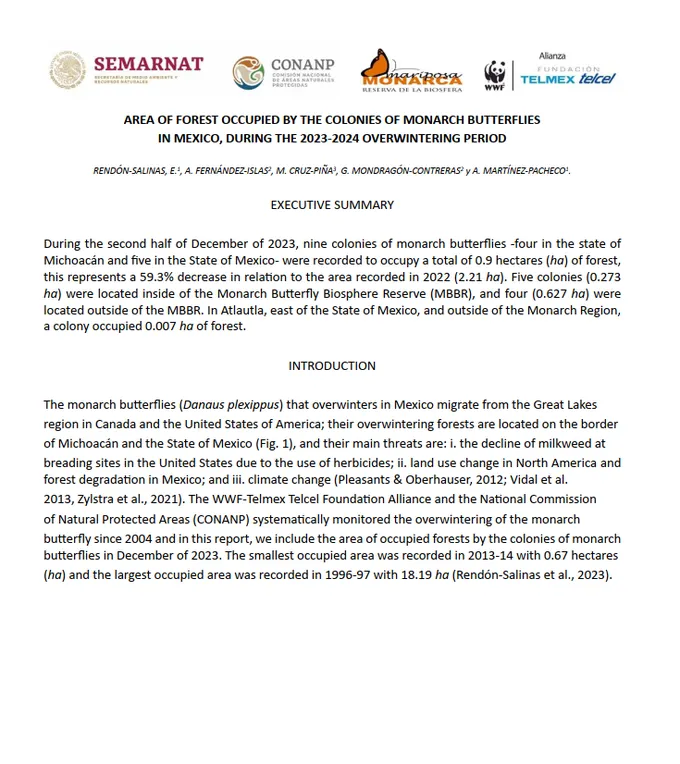
Every year WWF-Mexico and its partners including The National Commission of Protected Natural Areas in Mexico and the WWF-TELMEX Telcel Foundation Alliance, monitor the sites where the eastern monarch butterfly spends the winter, inside and outside the Monarch Butterfly Biosphere Reserve in Mexico. This analysis is considered a benchmark for the overall abundance of the species. The new data indicates that the species occupied only 2.2 acres during the 2023-2024 winter season, 59% less than the previous year when scientists observed 5.5 acres.
-
The Snow Leopard Population Assessment in India sampled over 10 million acres, deploying about 2,000 cameras that produced thousands of photos. Skilled scientists in India completed this first-ever rigorous examination of the country‚'s snow leopard population, estimating that 718 of these iconic big cats live within the country‚'s borders.
-
These Resource Guides introduce some foundational principles and common considerations for research into conservation-focused anti-corruption actions.
Part I introduces three "packages" of research that introduce non-specialists to some of the relevant core approaches and methods for assessing whether, when and how social norms might be targeted to address corrupt behaviors. When combined, the packages provide quantitative measures for pivotal values – e.g., social tolerance of and attitudes towards corruption, or the percent of a sample who have paid a bribe – against which progress with anti-corruption actions can later be measured (the "baseline"). The arising data will also provide qualitative information to help guide choices around the SNBC strategies to adopt ("formative" insight).
Part II introduces two "packages" of research that introduce non-specialists to some of the relevant core approaches and methods for assessing and adaptively managing social norm and behavior change approaches and understanding whether they have achieved the overall aims, goals, and ambitions.
See more resources from the TNRC Knowledge Hub.
---
This content is made possible by the generous support of the American people through the United States Agency for International Development (USAID). The contents are the responsibility of World Wildlife Fund (WWF) and do not necessarily reflect the views of USAID, the United States Government, or individual TNRC consortium members.