Publications
-
This report provides the first analysis of trends in supply and demand for elephant ivory products in China‚'s markets since the new legislative changes. Compared to a similar 2017 report, the number of stores with elephant ivory for sale decreased by 30% and more than half the ivory products found for sale were concentrated in five provincial cities. Online illegal ivory trade appears to also be declining.
-
The research for this report conducted between May and July 2018 reveals Chinese citizens claim to have purchased significantly less elephant ivory since the ban was implemented. But the incidence of ivory purchase among regular outbound travelers stands out compared to the other buyers‚' segments. While the results of this research show that the ivory ban in China is generating positive changes, more efforts like strengthening market supervision, law enforcement and public education are recommended for to ensure the long-term success of ivory trade ban.
-
The inaugural AgWater Challenge team comprised of seven companies that made public commitments around water that reflected their leadership and their understanding that, as major global food brands, they can be a powerful and constructive force for people and planet. They worked with thousands of growers in their global supply chains to reduce impacts around water and pollution, especially at the farm level‚ – where the biggest footprint is. This report covers the companies‚' individual goals, which were publicly announced through a coordinated communications and media outreach campaign, as well as some of the progress made in the year following the launch of the AgWater Challenge.
-
WWF’s Wildlife Crime Technology Project is dedicated to innovating and testing technologies that have the potential to transform the global fight against wildlife crime. One of the legacies of this work has been partnerships forged to deliver conservation benefits beyond WWF’s field presence. WILDLABS: the conservation technology network is one of these innovative partnerships. Founded through United for Wildlife, WILD LABS is the first-of-its-kind online community with a mission to support technology applications that conserve species. WILD LABS’ 2017 Annual Report, released today, offers a look back at two years of activity and impact.
“Tech can be tricky. Sometimes it takes a village to find the right tool for a task in conservation,” said Rachel Kramer, WWF’s Manager of Wildlife Conservation and TRAFFIC. “Through WILD LABS, we’re working to grow that village.”
Since WILD LABS’ launch in late 2015 it has become a platform for 2,300 experts around the world to openly share information and collaborate on technology solutions to pressing conservation challenges. Wildlife conservationists and tech geeks alike are using over 460 discussion threads in tech and conservation challenge groups. These threads have been viewed over 38,000 times, helping to democratise access to lessons learned and to crowd-source advice from engineers and scientists.
Last year WILD LABS helped to connect a group of researchers to pool limited conservation resources to bring down the cost of open-source acoustic monitoring devices from the unaffordable $700 per unit, to $50 via an Audiomoth group buy . Each year, researchers and conservationists share images of their technology in action around the world through WILD LABS’ #tech4wildlife Photo Challenge .
In 2017, WILD LABS helped two bear researchers —Ed Miller and Melanie Clapman—to find each other and leverage machine learning to identify individual bears from citizen photographs and camera trap images. Developing this recognition technology will help to assess and monitor bear populations, providing wildlife researchers with a new, non-invasive methodology to survey bears in the wild. “Through WILD LABS, I've found new collaborators,” said Clapham. “We have formed a non-profit together and are working towards our tech solutions more efficiently than we would have done before, separately.”
“We never dreamed that WILD LABS would be used in such diverse ways,” said Kramer. Recently, WWF leveraged WILD LABS to launch its Human-Wildlife Conflict Technology Challenge . The winners of that challenge continue to share their experiences from field-piloting innovations.
As an open community, anyone can visit WILD LABS to learn about how conservationists and technology experts are using the online platform to:
- Share information to increase transparency and reduce replication of effort.
- Ask and answer questions to share best practice, to increase efficiency and effectiveness of technology deployment to address conservation challenges.
- Collaborate to improve existing technologies or develop new technologies that address identified conservation needs.
The Annual Report shares highlights of how the community is doing exactly this.
For more information, contact:
Rachel Kramer
WILDLABS Steering Committee Chair
[email protected]Stephanie O'Donnell
WILDLABS Community Manager
[email protected]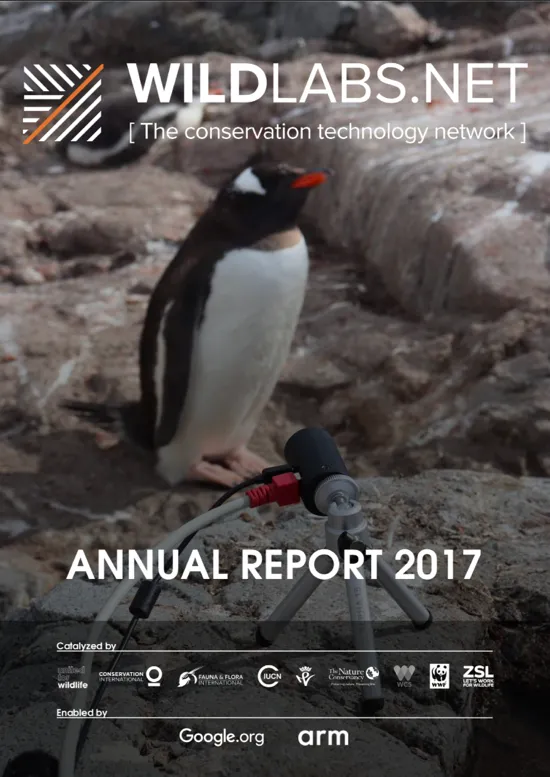
-
-
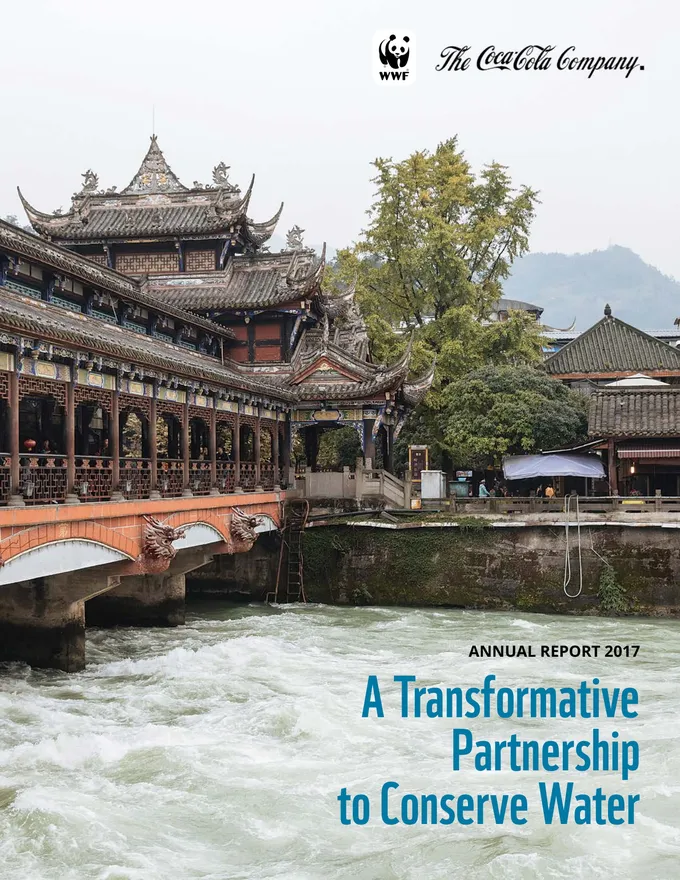
WWF and The Coca-Cola Company have worked together for a decade to help ensure healthy, resilient freshwater basins across the globe.
Since 2007, more than 2.2 million hectares of watershed and basin have benefitted from our collaboration. Learn more about the progress we made in 2017 to leverage our global scale for conservation solutions in the Mesoamerican Reef catchments in Central America and the Yangtze River in China.
-
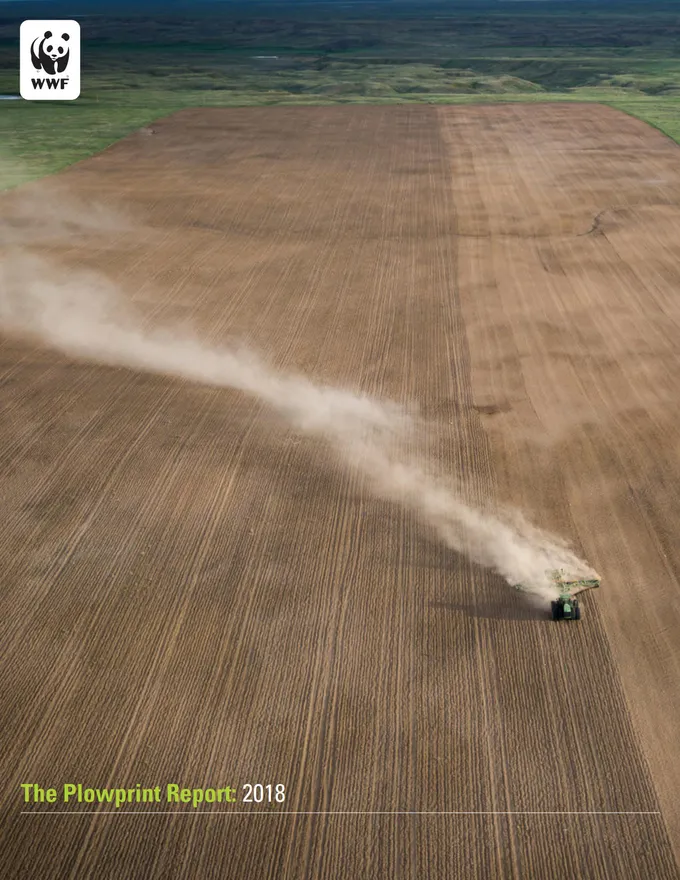
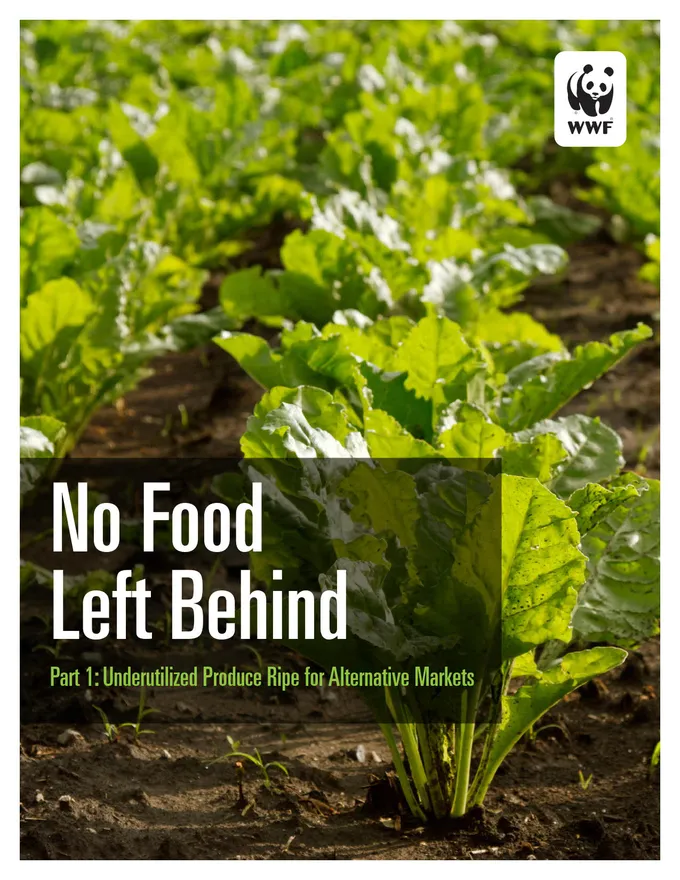
The US is a leading producer of agricultural products, including specialty crops. While the current system efficiently delivers a variety of products to market 365 days a year both at home and abroad, there is much loss that occurs across the supply chain, particularly at the endpoints - farms and retail. With that loss comes a great opportunity to improve and recover that produce for human consumption.
This report details research to begin to understand the magnitude of the opportunity through the collection of baseline data from farms on post-harvest losses of peaches, potatoes, tomatoes, and romaine lettuce. Quantitative and qualitative data results found that there is potential in the US to increase the availability of fruits and vegetables by better utilizing what is already being produce and in doing so, could mitigate the need to increase land conversion, water use, and the use of other resources to increase our food supply.
For methodology and technical research, please visit the Specialty Crop Loss Report .
-
-
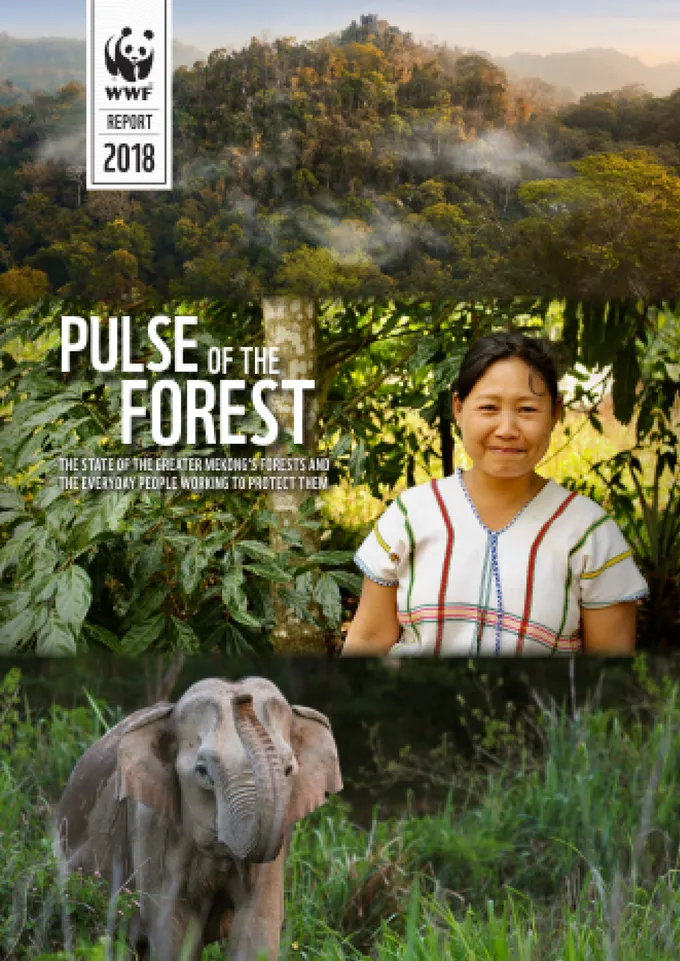
Deforestation is a major threat both to ecosystems and local economies. The Greater Mekong was the world's most densely forested area in the 1970s, but has now lost a third of its tree cover. It is on course to lose another third between 2010 and 2030 if trends continue.
-
World Wildlife Fund (WWF) and Royal Caribbean Cruises, Ltd. are now beginning our third year of partnership to help ensure the long-term health of the oceans. Our partnership was launched in 2016 based on the premise that no one organization or company can address conservation threats alone—but that together we can create meaningful, lasting change.
Learn more about our progress over the past year on our sustainability journey—from reducing Royal Caribbean’s environmental footprint by achieving ambitious, measurable targets around emissions reductions, sustainable sourcing, and responsible tourism, to raising awareness of the importance of oceans with the 5 million guests who travel with the cruise line annually.