Publications
-
The Craft of Systems Change introduces a way of thinking and working called the Systems Journey, which knits together the many ideas, tools, and ways of being in the world that are often traced back to systems thinking and systems change. The Systems Journey encourages readers to engage meaningfully with the systems and the people around us, explore the many different futures we may aspire towards, and learn our way towards a future that works for everyone.
Through the use of practical facilitation tools, readers are invited to look within to deeply engage with what may be preventing change, embrace a learning mindset that can help surface new leverage points in the systems where we work, and adapt our actions to ensure they create the change that we need for a better future.
While the book was written for those working to advance nature conservation goals, it is truly for anyone who wishes to take steps towards changing themselves and the systems we all live and work in. This book takes systems thinking out of theory and into practice and encourages a way of living and working in the world that is inclusive, holistic, and impactful every step of the way.
-
This presentation deck is from a TNRC Learning Series Webinar on Using political economy analysis to support corruption risk assessments that strengthen law enforcement against wildlife crime.
For more resources from the Targeting Natural Resource Corruption project, visit the Knowledge Hub.
---
This content is made possible by the generous support of the American people through the United States Agency for International Development (USAID). The contents are the responsibility of World Wildlife Fund (WWF) and do not necessarily reflect the views of USAID, the United States Government, or individual TNRC consortium members.

-
This note has a dual focus. First, it summarizes experiences and lessons from conducting CRAs with authorities responsible for investigations and prosecutions of IWT cases in three countries in Africa and Latin America. It seeks to demonstrate the value of adopting a collaborative approach to CRAs, illustrates potential avenues for pursuing such an approach when the right factors are in place, and demonstrates how mapping the criminal justice process provides a solid starting point to identify critical vulnerabilities. The note also highlights factors that might recommend another approach, for example where collaboration cannot be assured.
Second, this note highlights some common risks that emerged from the CRAs in the three countries and that may negatively affect the progress of IWT cases in other countries. Still, corruption risks vary among countries and agency contexts, and it is not always feasible for practitioners to conduct or initiate a CRA. These general insights can help point practitioners to possible vulnerabilities to look out for.
Visit the TNRC Knowledge Hub for more resources.
---
This content is made possible by the generous support of the American people through the United States Agency for International Development (USAID). The contents are the responsibility of World Wildlife Fund (WWF) and do not necessarily reflect the views of USAID, the United States Government, or individual TNRC consortium members.
-
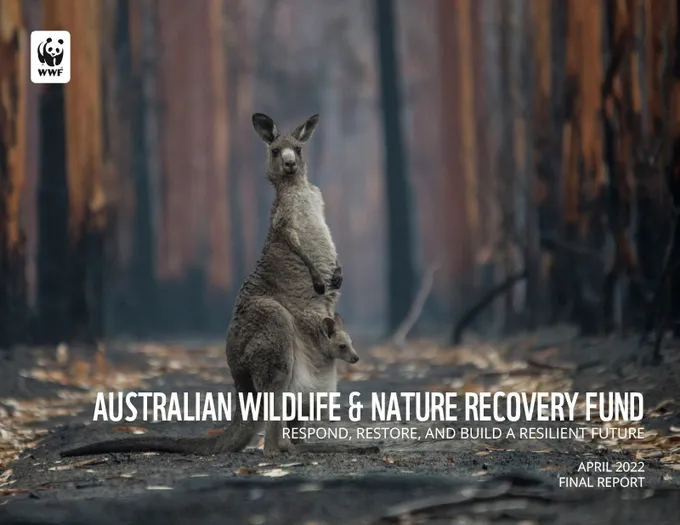
The scale of Australia‚'s bushfires during the summer of 2019-2020 was unprecedented and catastrophic. Thirty-three people tragically lost their lives, 3,094 homes were lost, and the impact on forests and wildlife was immense. Over 29 million acres of forest and woodlands were burned, pushing many threatened species, including the koala, to the brink of extinction. So much was lost, and the impacts will be felt for years to come.
In January 2021, we estimated that 1.25 billion animals may have been killed by the fires. We now know that the actual number is shockingly higher. Six months after the fires, we published a report, Australia‚'s 2019-2020 Bushfires: The Wildlife Toll, which estimated that nearly 3 billion animals perished or were displaced by the fires.
The global response to this crisis was immediate. Thanks to you and other supporters around the world, we raised $50 million for the WWF Australian Wildlife & Nature Recovery Fund, with $9 million coming from the US alone. Your generous support, in particular, enabled us to act quickly and at scale to get emergency funds to the frontline, mobilize resources to help Australia‚'s wildlife, help local communities adapt and recover, and plan the essential work needed to get Australia‚'s wildlife on the road to recovery once the fires were out.
This is the final report summarizing the impact of your generosity.
-
A collection of best practices, common challenges, solutions and experiences from the seafood sector‚ – both fishing and aquaculture‚ – to support companies on the journey to establishing Science Based Targets with the Science-based Target Initiative.
-
This presents a revised version of a methodology for assessing the quality of carbon credits based on lessons learned from its pilot application. The scoring and results can be used by prospective carbon credit buyers to inform their purchases.
-
This is the WWF-US Corporate Transparency Report for the 2021 fiscal year.
-
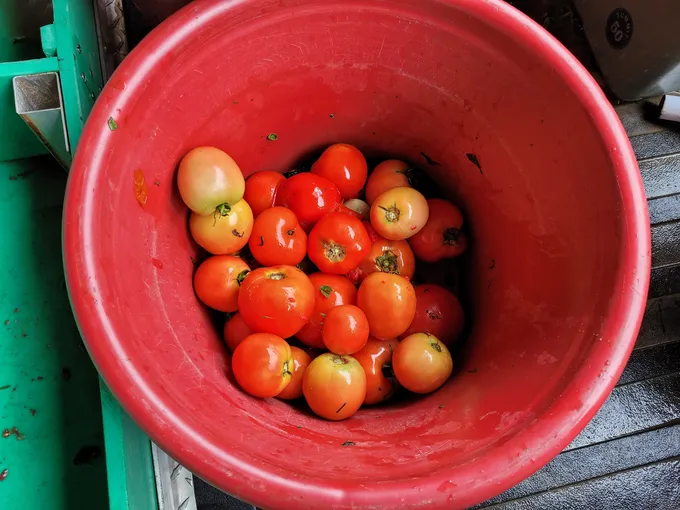
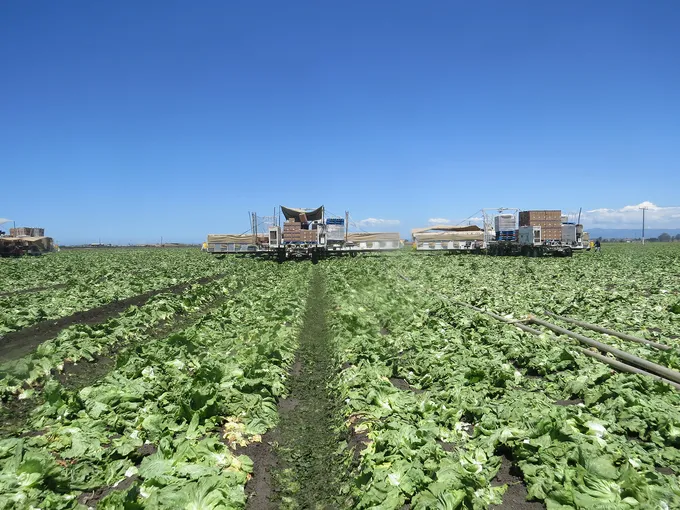
The Measurement Photo Guide:
- Shows step-by-step how easy it is to collect data about the amount of product left in the field
- Illustrates the equipment needed to collect field samples
- Show the time it takes to collect and sort field samples
- Provides a simple calculation for determining sample area
-
This business case:
- Summarizes a project working with growers measuring their on-farm losses using the Stewardship Index for Specialty Crops Food Loss metric tool.
- Confirms collecting in-field data is not time-intensive and provides evidence to support the business case for on-farm measurement benefitting both growers and buyers.
- Illustrates the value of available opportunities for growers engaged in on-farm loss measurement.
Grower participants include Calavo, Duda Farm Fresh Foods, Pacific International Marketing, Lipman Family Farms, Campbell Soup Company and E&H Farm, Coastline Family Farms, and Dole Fresh Vegetables (a division of Dole Food Company Inc.).
The Measurement Photo Guide:
- Shows step-by-step how easy it is to collect data about the amount of product left in the field
- Illustrates the equipment needed to collect field samples
- Shows the time it takes to collect and sort field samples
- Provides a simple calculation for determining sample area
-
WWF has driven towards the TX2 goal for the last decade, supporting the 13 tiger range country governments to act and fulfill their commitments with partnerships, policy advice, and collaborative solutions. WWF has invested or leveraged over US $200m across 10 offices, 14 landscapes, and 50 heartlands ‚ – those areas identified as having the highest potential for tiger recovery. However, despite the positive trends in wild tiger numbers, it is important to acknowledge that these gains are fragile and have not been uniform across Asia‚'s sub-regions. While globally tiger numbers may be on the rise, tiger range has continued to decline and tigers today are restricted to less than 5 per cent of their historic range.