Publications
-
Fisheries that intersect with the high seas, or areas beyond national jurisdictions (ABNJ), are ecologically, institutionally, and politically complex. These fisheries also generate enormous economic and social benefits and have the potential to generate even greater benefits and wealth under improved management regimes that incorporate incentives to fill in gaps in governance. This report identifies the barriers and opportunities for the adoption of incentive-based tools for fishery management in ABNJs at the global and regional scales. It highlights the need for a "smart mix" of regulatory and incentive-based tools and instruments and lays out nine principles for smart mixes through examples and case studies.
-
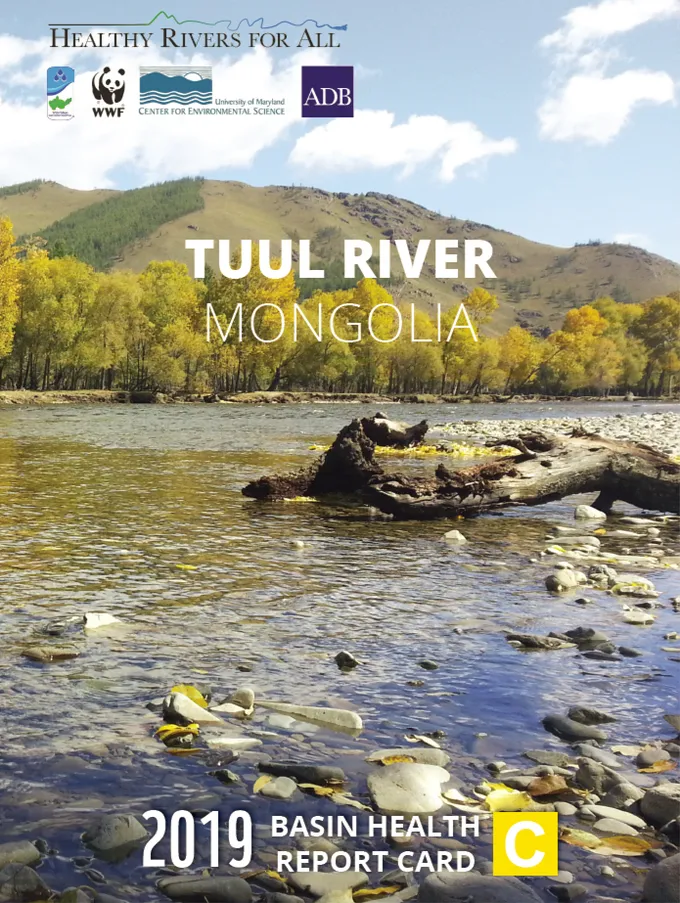
The Tuul River Basin Report Card‚ – the first of its kind in Mongolia‚ – assesses the basin's health through social, environmental, and economic values that can be tracked over time in response to management actions and/or external pressures. The Tuul River Basin has been evaluated in this assessment as "moderate" health or ‚ÄòC‚', meaning urgent management interventions are required to maintain the health of the river.
-
The global plastics pollution crisis will only worsen unless all actors across the plastics value chain are made more accountable for the true cost of plastics to nature and people. The new study, Solving Plastic Pollution Through Accountability, finds that too much responsibility for reducing plastics pollution is currently focused on consumers and waste management and efforts will remain insufficient unless action is taken across the entire value chain.
-
One dump truck full of plastic waste enters our oceans every minute; over the year, this accumulates to 8 million tons of plastics enter the oceans. In order to stop leakage of plastic into the environment, businesses must be a part of the solution and take accountability for their plastic pollution footprint and improve their products, supply chains, and waste management.
In "No Plastic in Nature: A Practical Guide for Business Engagement," World Wildlife Fund provides an evidence-based guide for companies seeking to employ effective strategies for mitigating plastic waste within their business. Based on interviews with seven leading companies from consumer-oriented sectors, independent research, and analysis of best practices, the report outlines four distinct strategies businesses are currently undertaking and draws lessons from them and the progress achieved.
-
-
State of the Practice: Sustainability Standards for Infrastructure Investors, a new study by Stanford Global Projects Center‚ – commissioned by Guggenheim Investments and World Wildlife Fund‚ – reviews a range of multi-stakeholder infrastructure sustainability standards and project rating programs, a necessary step to transition sustainable infrastructure investing into an institutional asset class.
-
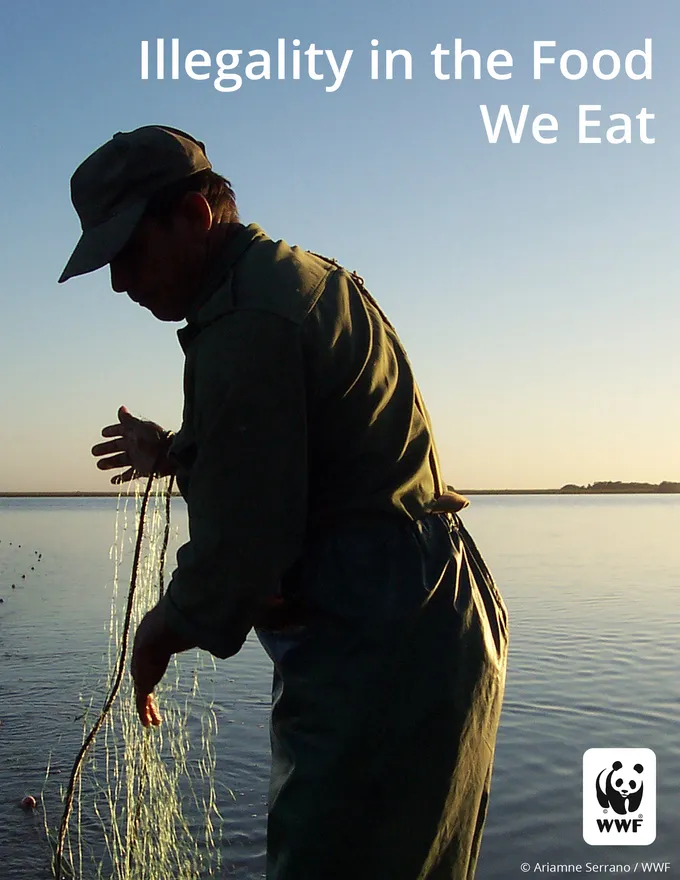
Illegality is embedded across the food value chain and in the food we eat. It is a drastically underrated issue that will only get worse as the human population grows, demand for food increases, and the climate changes. It needs systematic attention of all those involved from commodity producers, traders and marketers to retailers and brands, national governments and, most of all, the public.
-
In the US, approximately 63 million tons of food are lost or wasted each year, while one in seven Americans, including 13.1 million children, live in food-insecure households. An estimated 40% of food waste in the US occurs in consumer-facing businesses such as retailers, restaurants, hospitality, and institutions like schools. Through the National School Lunch Program (NSLP) and School Breakfast Program (SBP), US schools serve approximately 30 million lunches and 14.6 million breakfasts each day to eligible students, at an annual cost of about $17.8 billion federal dollars.
But how much of that federally-funded food winds up in the trash?
With so much food moving through schools each day, there is a huge opportunity to work with students, teachers, food service providers, cafeteria staff, and more, to fight waste and inspire change in both institutions and young people. Schools can use their cafeterias as classrooms and help students understand the connection between what they eat and their planet, and forge lifelong stewardship habits.
-
Bringing sustainable blue economy principles to the Arctic - full report
This report is the first study of its kind to outline how the Arctic‚'s biodiverse ocean resources and economies can be developed to ensure long-term, economic and ecosystem health for the region and the planet. It warns that conventional approaches to development threaten the viability of much of the region‚'s distinctive ecosystems, undermining sustainability for communities and economies.
-