4 unseen benefits of protecting tigers and their habitat
By protecting tigers, we also protect forests, freshwater, and people
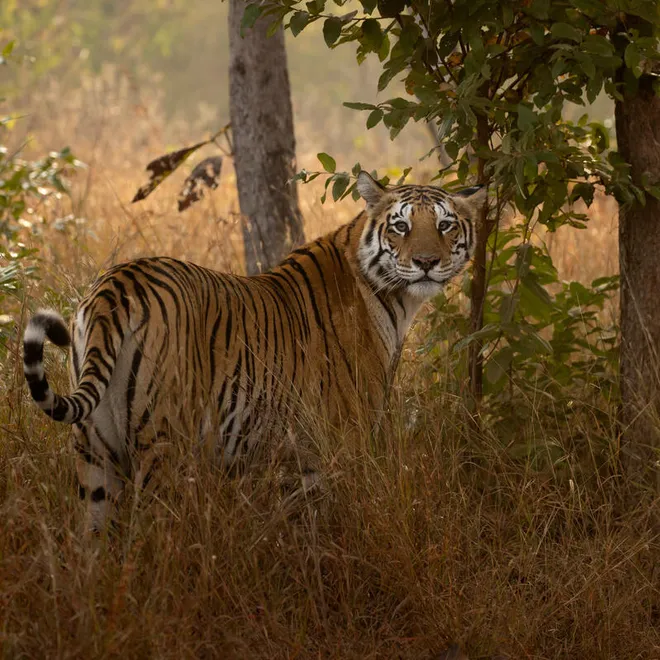
© Danny Green /naturepl.com
Key takeaways
- Protecting tiger habitats benefits people and the planet.
Tiger landscapes help store carbon, combat climate change, provide clean air, and support essential ecosystem services that millions of people rely on every day. - Tiger conservation safeguards vital freshwater resources.
Forests within tiger range help regulate water flow and maintain water quality, supporting major watersheds that provide water to up to 830 million people across Asia. - Saving tigers helps protect biodiversity and cultural heritage.
Conserving tiger habitats also protects endangered species such as elephants, rhinos, and orangutans, while supporting the Traditional and Indigenous communities whose cultures, languages, and livelihoods are closely connected to these landscapes.

© Banu R / iStock / WWF-Australia
From the world’s largest mangrove forests in the Sundarbans to temperate forests in the snowy mountains of Bhutan, protecting tigers and their natural habitats helps benefit thousands of other animals and millions of people.
Tiger landscapes overlap with globally important ecosystems, many of which are in Asia’s remaining wilderness areas. Rich in wildlife and plant life, these places provide critically important goods and services that millions of people rely on every day. Healthy tiger habitats help mitigate climate change, provide fresh water to animals and people, reduce the impact of disasters, and improve the well-being of local communities. Unfortunately, tiger range—the areas in which tigers roam wild and free—has plummeted by 95%, leaving populations fragmented and isolated in the remaining forests of Asia. The remaining range of wild tigers is at risk of being reduced by nearly half due to unsustainable agricultural expansion, urbanization, and other development.
If tigers are to survive this century and beyond, their home range urgently needs protection and restoration. This requires sustained support from governments, businesses, conservation partners, and communities. Without swift, effective action, we could lose both the iconic species and the impressive range of benefits their habitats provide.
WWF works to conserve and connect tiger habitats, monitor tigers and their prey, and collaborate with governments across the 13 tiger-range countries to protect these wild big cats.
Here’s a look at four of the many unseen benefits that come hand-in-hand with tiger conservation.
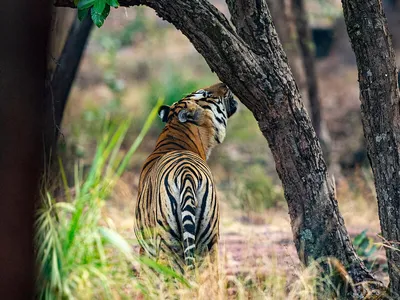
© Suyash Keshari / WWF-International
Adopt a tiger
When you choose a symbolic animal adoption, you generously support WWF’s global conservation efforts.
Protecting tigers means protecting forests

© Emmanuel Rondeau/WWF-US
The presence and promise of tigers motivate governments to help protect Asia’s forests. Forest trees and other plants soak up carbon dioxide—a heat-trapping greenhouse gas contributing to the warming of the planet—and store it as they grow. Safeguarding tiger landscapes could also protect some of the last remaining forests critical for carbon storage. For example, the far eastern forests of Russia can absorb 130,000 tons of carbon per year—the equivalent of more than 25,000 cars on the road.
Forests also provide ecosystem services—clean air, medicinal plants, jobs, and many other benefits. When we protect tiger habitats, we aren’t just protecting tigers; we’re conserving the forests crucial to the survival of people and other wildlife, while also helping mitigate climate change.
Safeguarding tigers supports freshwater resources
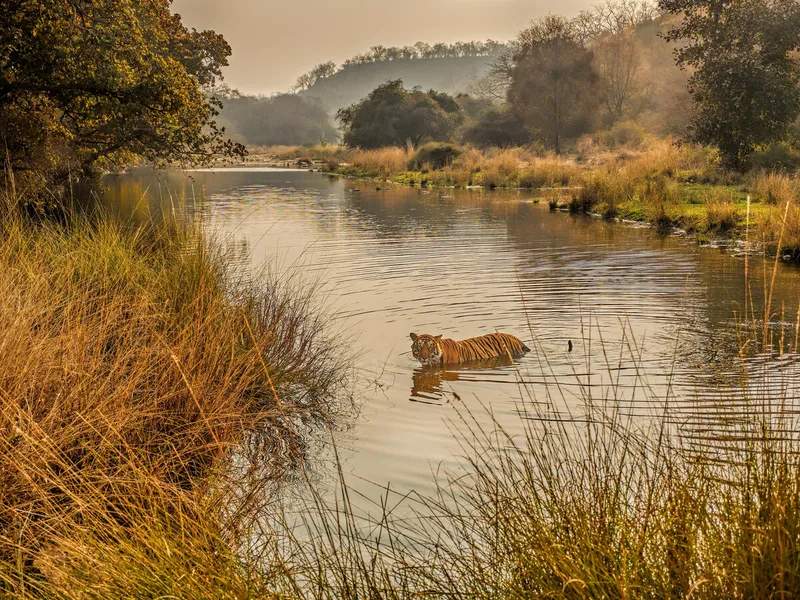
© naturepl.com / Andy Rouse / WWF
Hundreds of millions of people depend on water from places where tigers roam. Tiger landscapes overlap nine major watersheds that provide water for as many as 830 million people in Asia, including in urban areas in India, Malaysia, Indonesia, and Thailand. Water is critical to everything from agriculture and energy generation to industry and home use. Intact, protected forests generate cleaner water and reduce the amount of sediment reaching rivers, streams, and reservoirs. They also help regulate water flow. Some forests, such as cloud forests, increase water flow, while others, such as humid forests, reduce the flow. This natural regulation helps during times of drought or heavy rains, and benefits people downstream. Protecting tigers means protecting freshwater sources and functions that are crucial to all forms of life.
Tiger protections benefit other wildlife
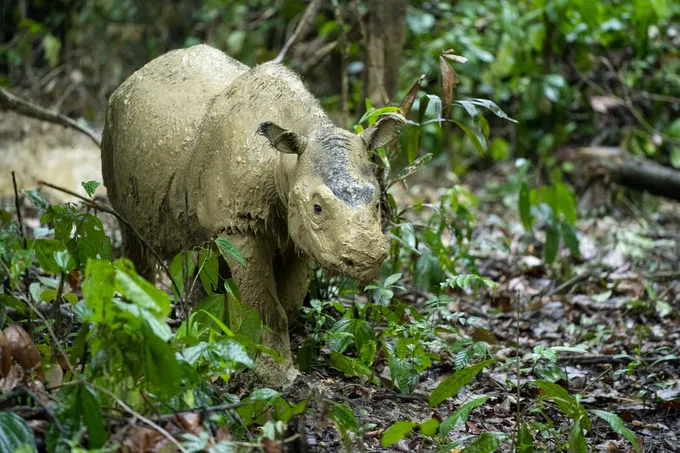
© Kaisa Siren
© WWF Indonesia/JEJE
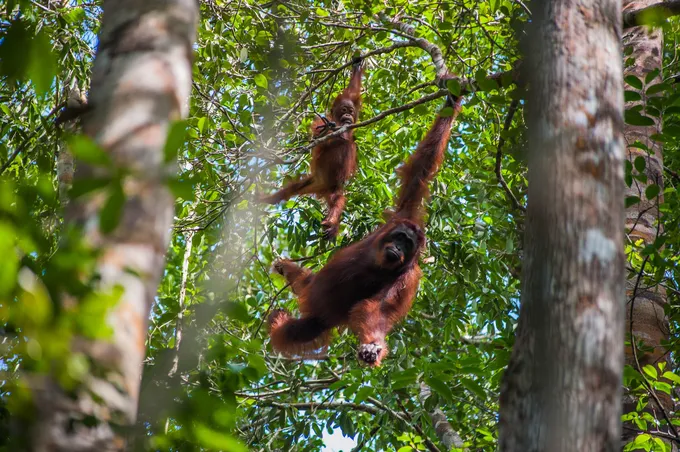
Tiger habitats are home to far more animals than this iconic big cat. More than 30% of Asian elephant populations live within tiger landscapes, including in Bhutan, India, Indonesia, Malaysia, Myanmar, Nepal, and Thailand. Protecting tiger habitats also protects the habitats of Critically Endangered Sumatran rhinos and orangutans, as well as numerous other species that live within tiger ranges. When we invest in wild tigers, we help save many other species.
Tigers center in many Traditional and Indigenous cultures
Protecting tiger landscapes, when done sensitively, can also help preserve endangered cultures and languages. Our “biocultural diversity”—the range of societies, cultures, and languages across the planet—is disappearing as quickly as our biodiversity. For example, Indigenous communities in Cambodia preserved forests through their cultural belief in tiger spirits. Harvesting of valuable forest plants is permitted only at certain times of the year, and only after the tiger spirits have been appeased; failure to adhere could result in being stalked by wild tigers. However, after the species was declared functionally extinct in Cambodia in 2007, belief in tiger spirits has nearly vanished.
Linguists predict that between 50% and 90% of the world’s languages will disappear by the end of this century. Almost one-quarter of endangered languages assessed to date across the tiger range are spoken by Traditional and Indigenous Peoples living with tigers as close neighbors—many of whom rely on the forests where tigers live for their livelihoods and survival. Because these communities depend on bountiful natural resources, conserving tiger habitat is vital to the survival of Traditional and Indigenous Peoples across Asia.