Bone appetite: Meet 6 animals that eat bones
A skeleton isn’t always the end of a meal. For some animals, it’s what’s for dinner.
© Bob Stanlick/Shutterstock
Key takeaways
- Bones contain valuable nutrients, including calcium and phosphorus.
- Osteophagy is the practice of eating bones, a behavior found in a surprising variety of animals.
- Some animals are extraordinary bone-eating specialists. For example, bones make up a majority of the bearded vulture's diet.
- Some animals, like hyenas, use powerful jaws to crush bones, while others, including giraffes, chew bones.

© Will Burrard-Lucas/WWF-US
While dogs might be the first animals that come to mind when you think of chewing bones, they're far from the only ones with a taste for them. The practice of eating bones is called osteophagy, and it occurs in a surprisingly diverse group of animals. From powerful predators to unexpected plant-eaters, meet some of nature’s bone eaters.
Bearded vultures: bone specialists
For bearded vultures, bones aren’t a side dish; about 70%–90% of their diet consists of bones. Also known as the lammergeier, this enormous mountain vulture is uniquely specialized for a diet dominated by bones.
They can typically swallow smaller bones whole, but when a bone is too large, vultures take to the air, carry it high above a rocky slope, and drop it. If the bone doesn’t break, these birds may retrieve it and try again.
With exceptionally acidic stomachs that help digest bone, vultures have turned what other scavengers leave behind into a remarkable food source.

© Martin Harvey / WWF
Spotted hyenas: bone crushing
© WWF-US/Danielle Brigida
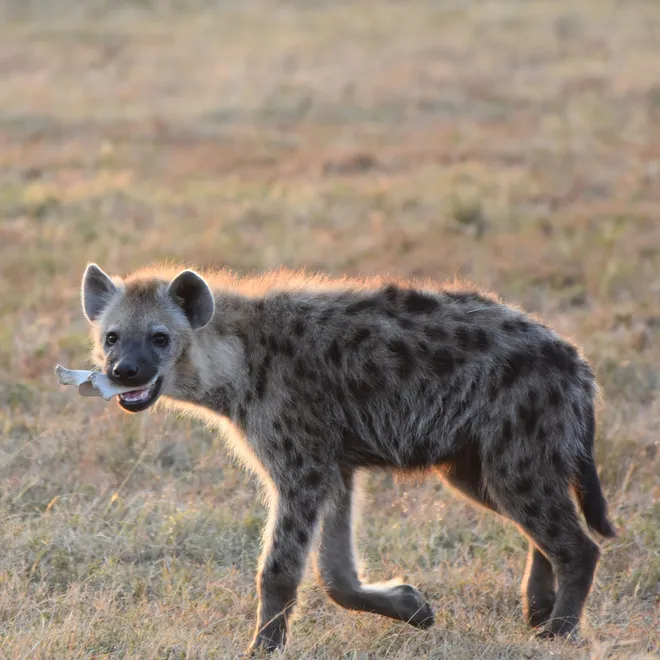
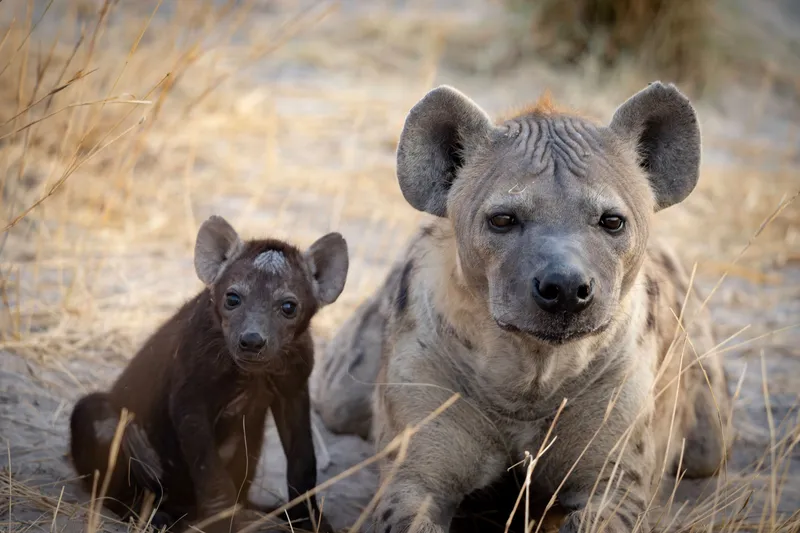
Despite their reputation as scavengers, spotted hyenas are also accomplished hunters. They're also notable bone eaters.
With immensely powerful jaws and specialized teeth, spotted hyenas can crush bones that many other carnivores leave behind. Their digestive systems can break down bone fragments and extract nutrients, so they waste little from a carcass. Spotted hyenas are known to also transport bones back to their dens, making them bone collectors.
These animals consume and digest so much bone that sometimes their droppings turn almost white from the high concentration of calcium-rich minerals.
In Southern Africa, WWF works with communities and partners to protect connected landscapes and help people coexist with predators like spotted hyenas.
Wolverines: making every meal count
In cold, harsh environments, finding food isn't always easy. Wolverines are built to make the most of what they find.
With powerful jaws, strong muscles, and sharp teeth, these resourceful carnivores can tear into frozen carcasses and consume flesh, bone marrow, and smaller bones. They may even cache the food for later, an important adaptation in places where their next meal may be hard to find. In one study, scientists examining wolverine droppings found bone fragments in a majority of samples, revealing just how much of their meals can include these hard-to-digest remains.

© WWF-US/Robin Naidoo
Cape porcupines: unexpected bone collectors

© Will Burrard-Lucas / WWF-US
A den filled with bones might sound like the home of a fearsome predator. But in parts of Africa, it could also belong to a porcupine.
Cape porcupines are primarily plant-eaters, yet they're known to collect bones and carry them back to their dens, where they gnaw on them with their continuously growing incisors. Researchers believe the behavior may help them obtain minerals such as calcium and phosphorus, while also helping wear down their teeth. It's a surprising reminder that some of nature's most enthusiastic bone gnawers aren't carnivores at all. Which leads us to our next animal!
Giraffes: bone chewing ungulates

© Denis-Huot / naturepl.com / WWF
Giraffes are famous for their long necks that give them access to a meal of leaves high in trees. But occasionally, they reach for something much closer to the ground: bones.
Researchers have documented giraffes chewing bones from other mammals, a behavior that may help them obtain additional minerals.
They're not alone. Deer, caribou, and other hoofed mammals have also been observed chewing bones or antlers.
Zombie worms: the bone eaters of the deep
Even at the bottom of the ocean, bones can provide a feast. Osedaxes, also known as zombie worms, live on the seafloor, where they colonize bones, including those of dead whales.
They have no mouths or stomachs. Instead, they use root-like structures to penetrate bones and rely on symbiotic bacteria to help obtain nutrients from the fats and proteins inside. These worms reveal how a single whale carcass can support an extraordinary community of deep-sea life.

© Syced, CC0, via Wikimedia Commons
In nature, nothing goes to waste
Bone eaters are a great reminder of how wildlife and the ecosystems they’re a part of make the most of what’s available.
WWF's conservation work helps protect not only individual animals or species, but also the habitats, food webs, and natural processes that sustain them. Predators, scavengers, and decomposers all play critical roles in healthy ecosystems.

© Jackyenjoyphotography
The WWFGifts Catalog is here
Make a gift to WWF's global conservation efforts and choose from symbolic adoptions, apparel, and more!