Eerie animals? Not so fast
4 Halloween creatures that aren’t as scary as they seem
Bats and spiders, black cats and owls—can you imagine a spooky Halloween without them? Though they may give you goosebumps on the year’s most frightful night, these animals actually help keep our planet—and all who live here—healthy and safe.
© Christiaan van der Hoeven / WWF-Netherlands
WWF works to protect landscapes where these animals live and helps both wildlife and people thrive. Read on to learn more about why they matter.

© WWF-US / Steve Morello
Spooky spiders?
With their eight legs, prominent fangs, and often multiple sets of eyes, spiders can seem a little… spooky, which is why they often get a bad rap. But contrary to the narrative of some horror flicks, these web spinners are a huge plus to have around. Found all around the world except in the coldest places, spiders serve as major predators of insects—including those that pester humans, transmit disease, or eat food crops. We know of more than 40,000 different species of spider, and likely still have thousands more to discover.

© Ivan Kuzmin / Shutterstock
Bone-chilling bats?
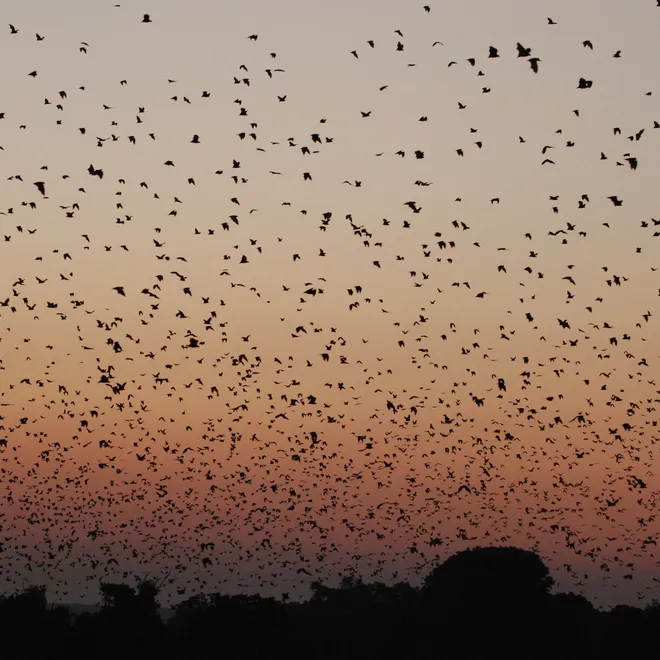
Vampire bats may send a shiver down your spine, but out of about 1,500 species of bats in the world, only three carry that label. The majority—two-thirds—serve as nighttime pest patrol, snacking on mosquitoes and other insects. Other bat species act as pollinators and seed dispersers. By feeding on flowers and fruits, bats pollinate wild bananas, the saguaro cactus, and durian.

© apple2499 / Shutterstock
Creepy cats?
A black cat crossing your path on Halloween seems like a bad omen. However, catching a glimpse of a much bigger black cat—the elusive black jaguar—would be quite the stroke of luck. They’re the same species of jaguar found in the Amazon, but with a rare color variant. This color adaptation may aid these apex predators in catching prey, which helps keep other species' populations and their forest ecosystems in balance. WWF helps protect the Amazon and tracks jaguars to learn more about their habitat and needs.

© Tom Arnbom / WWF-Sweden
Ominous owls?
Just because most owls fly through the night doesn't mean they’re ominous. In fact, the snowy owl hunts mainly during the day, using both sight and sound to locate prey. This white-feathered bird is usually monogamous, but unlike many other owl species, snowy owls often don’t pair for longer than a breeding season. Snowy owls live mainly in Arctic regions, but are known to fly south into the United States during the winter months. They help control mammal populations and serve as an indicator for ecosystem health.
© Jackyenjoyphotography
The WWFGifts Catalog is here
Make a gift to WWF's global conservation efforts and choose from symbolic adoptions, apparel, and more!