Congratulations to our 2025-2026 recipients
What started as an idea in 10 educational spaces across the country resulted in so much more. More than 360 K-12 learners across 9 states participated in the inaugural year of Wild Classroom's Greenprints for the Future grants.
From designing pollinator gardens and educational nature walks to leading sustainability initiatives in schools and communities, like composting and energy-saving practices, explore our grant recipients below to see the power of youth-led environmental change.
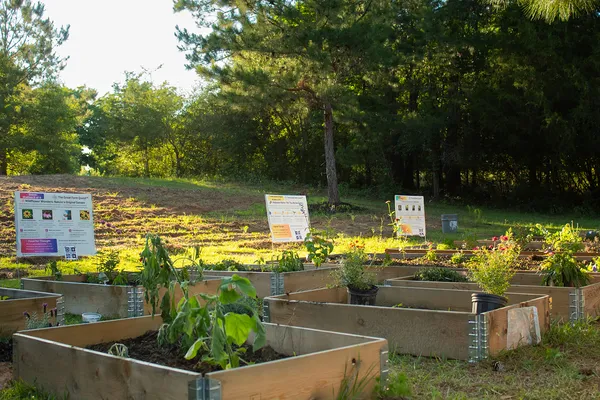
“Because of Greenprints for the Future and the World Wildlife Fund, students in rural Alabama were given the opportunity to become environmental storytellers, conservation advocates, and future leaders.”
© Delores Williams
Students in Alabama create state’s first interactive learning trail
© Delores Williams
Educator: Delores Williams
School: Generations Forward Learning Farm
Location: Chancellor, Alabama
Project: Establishing an interactive nature trail in Alabama
Impact stats:
- 61 students across grades 6-10 restored ~1 acre of land into a nature learning trail
- 75+ community service hours contributed from 5 Youth Leadership Team
- 5+ interactive learning areas, including pollinator, insect, and wildlife habitat stations, created
- One digital app developed
When Delores Williams received a Greenprints for the Future grant, she couldn’t have imagined that a plan to create an educational nature trail would grow into a way for kids at the Generations Forward Learning Farm, a 12-acre nationally recognized regenerative agriculture and educational farm in rural Alabama, to become passionate environmental storytellers. Over the course of the project, 61 students in grades 6-12 helped transform nearly an acre of trail space into an interactive nature tour. Students played an active role in every stage, from planning to designing the educational experiences accompanying the trail. They even designed materials like passports and take-home wildlife exploration sheets for visitors. One of the project’s most innovative elements is its ability to be self-led, with QR codes on the signage that lead to a “Talk to the Plant” experience. While navigating extreme drought conditions and unpredictable weather, the students demonstrated remarkable resilience and dedication throughout. This grant allowed students to step up as leaders and conservationists, its excitement even rippling throughout the Chancellor, Alabama community, as city officials named the project Alabama’s First AL Learning Trail.
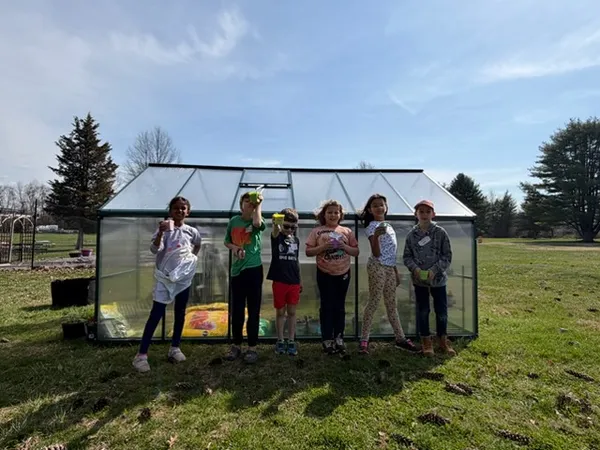
“Students who were initially hesitant to participate in hands-on tasks became more comfortable planting, handling materials, and caring for living systems. Over time, they took greater ownership of their roles in the greenhouse and worked more independently.”
© Melissa Bright
4-H club in New Jersey create and learn from a newly established greenhouse
© Melissa Bright
Educator: Melissa Bright
School: Somerset County 4-H
Location: Bridgewater, New Jersey
Project: Greenhouse for pollinators
Impact stats:
- One small greenhouse created
- 25+ students in grades K-12 designed educational materials and outreach activities to accompany the greenhouse learning space
- Dozens of native, pollinator-friendly plants grown and distributed to schools, parks, and families
- One composting system established to divert food waste and improve soil health
- One rain barrel established
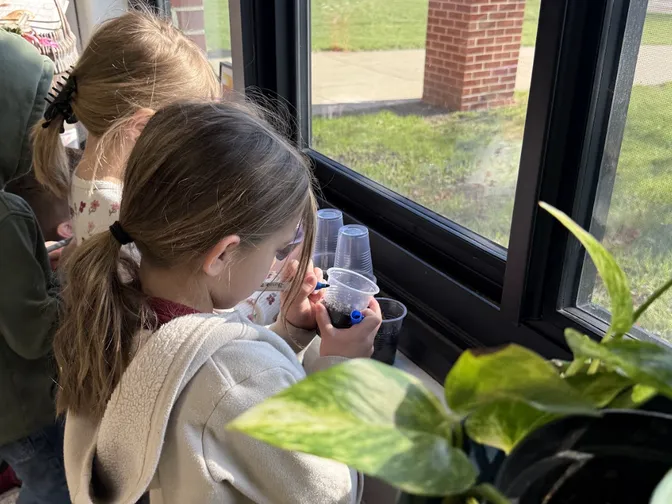
After noticing a decline in butterflies, bees, and birds in their community, the kids of Somerset County’s 4-H organization in Bridgewater, New Jersey, set out to understand the cause. The lack of biodiversity and poor plant health in the surrounding area indicated disrupted pollination, unbalanced ecosystems, and poor soil health. To address these environmental stressors, more than two dozen students at the 4-H learning club, led by Melissa Bright, established a greenhouse focused on restoring pollinator habitats and educating their community. The greenhouse allows students to grow native plants year-round, experiment with soil health practices, and observe plant and pollinator interactions firsthand. Additionally, a composting system was established using food scraps collected from school lunches to divert and convert waste into nutrient-rich compost reused in greenhouse planting beds. As the project developed, students expanded their impact beyond the greenhouse. The native plants were distributed to other Bridgewater community members to restore pollinator habitats throughout the area. Students also designed educational materials, led outreach activities, and shared what they learned about sustainability and biodiversity with their peers, families, and broader community members. Throughout the process, the learners gained a deeper understanding of the role pollinators play in food systems and ecosystem health, while subsequently building their teamwork and leadership skills. The positive outcomes and student engagement showed that this type of experiential learning has a real lasting impact. Observing the lack of biodiversity was the first step in making change and has now grown into a fully student-led initiative.
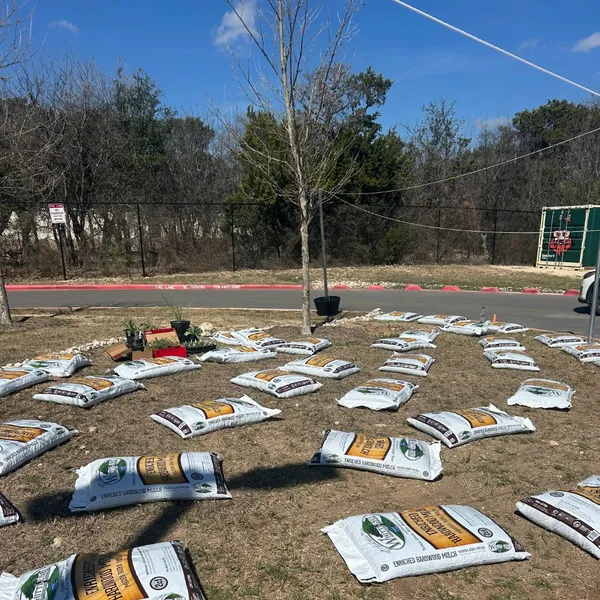
“They paired their middle school mischievousness with a righteous environmental objective.”
© Jacob Murrie
Middle school students lead restoration and native plant installation in Texas
© Jacob Murrie
Educator: Jacob Murrie
School: Great Hearts Invictus
Location: Helotes, Texas
Project: Native Texas Species Garden
Impact stats:
- 20 6th and 7th grade students planted 16 native Texas species planted
- Reduced water use for landscaping and supported groundwater recharge in a water-stressed region
Sitting northwest of San Antonio, Texas, is a city called Helotes, also known as the gateway to Texas’s “hill country”. There, 20 6th and 7th Life Science students were selected to transform a barren stretch of campus dominated by non-native Bermuda grass into a thriving native Texas garden. The non-native grass required heavy water use, supported little wildlife, and left the landscape dry and lifeless for much of the year, in a region already facing ongoing drought. This hands-on restoration project, rooted in local ecological knowledge, was entirely student-led as they removed the invasive grass, prepared the soil, selected, and planted the 16 native Texas species like Frogfruit, Bluebonnets, and Texas Redbud. Prepping the land proved a big challenge and opened the students' eyes to how invasive plants can dominate ecosystems and how critical freshwater resources are. Once the garden was established, the Great Hearts Invictus students observed pollinators returning, identified new species *in the garden, like moths and scarab beetles, and even found new native plants they didn’t originally place growing in the garden. The grant revitalized a neglected outdoor space while allowing the students to build something special that they naturally wanted to sustain, with many of them already eager to expand the garden next year. This living landscape built by Mr. Murrie’s class is now a living, learning environment and icon for student-led environmental change.
“The Diamond Green Team students’ teamwork was exceptional, and their pride in creating a native garden from start to finish is nothing short of incredible.”
© Christine Goulet
Green team club members in Massachusetts expand a pollinator haven
© Christine Goulet
Educator: Christine Goulet
School: William Diamond Middle School
Location: Lexington, Massachusetts
Project: Native garden expansion
Impact Stats:
- 30 students in grades 6, 7, 8 doubled pollinator garden space
- 50 native Massachusetts plants added
- Expanded an existing native garden by 50ft, more than double the original size
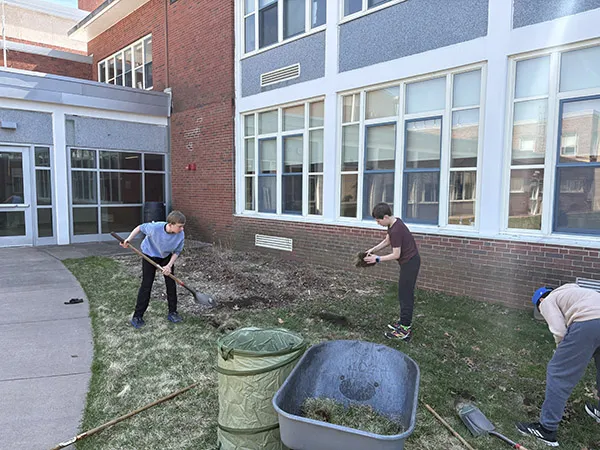
After seeing firsthand how a native garden could bring wildlife back to their school, 6th-, 7th-, and 8th-grade students in Lexington, Massachusetts, were eager to do more in their unused courtyard. Building on their existing 20ft x 10ft garden, members of the Diamond Green Team and educator Christine Goulet set out to create a new 50-foot pollinator-friendly space. They transformed an unused courtyard area dominated by ornamental grass and monoculture plantings into thriving native habitat. Students spent weeks removing non-native grasses, leveling the land, and composting the organic material to reuse in their garden, reinforcing lessons on seasonal plant cycles, biodiversity, and the process of building healthy soil. During a dedicated planting day, the Diamond Green team worked together to plant more than 50 native plants and install a protective fence around the garden, demonstrating teamwork and coordination, even taking time to complement one another and answer questions throughout the process. Planting the garden also doubled as an optimal learning experience, especially for the newer Green Team members who were just beginning to explore native plants and their impact. As the garden continues to grow, students are already taking on the role of long-term stewards of the land by learning more about how to identify native plants and pollinators and sharing their knowledge with peers and school staff. This expanding garden will continue to serve as a living classroom and a lasting (and growing!) example of student-led action.
“We are so excited to have transformed this unused space into something meaningful. We are already in the planning stages to expand the area in the future”
© DeDe Henderson
Iowa students turn empty space into a sanctuary for pollinators
© DeDe Henderson
Educator: Dede Henderson
School: South Hamilton CSD
Location: Jewell, Iowa
Project: Pollinator garden
Impact stats:
- 25 3rd-grade students transformed an unused space into a habitat supporting butterflies and other pollinators
- Dozens of wildflowers and pollinator-friendly plants installed
- One dry creek bed dug
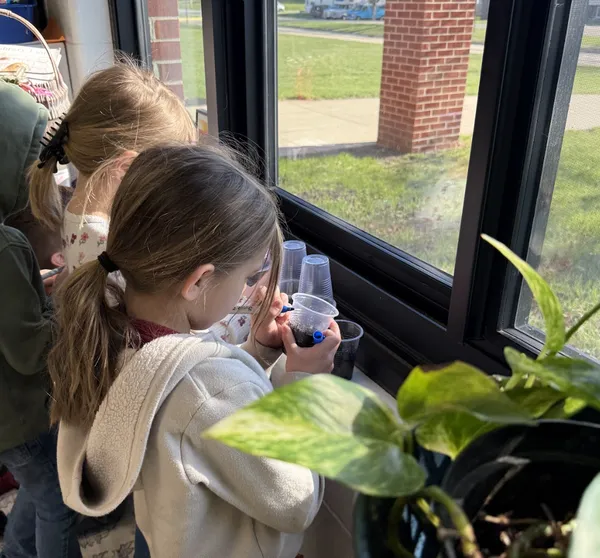
In Jewell, Iowa, South Hamilton CSD 3rd-grade students transformed an outdoor space by their elementary school’s playground into a vibrant pollinator garden to serve as a food source for migratory Monarch butterflies and other species. Students began by planting seeds in their classroom and inviting other classes to participate, expanding the project’s reach across the entire school community. Once the site was prepared with the help of a local landscaping company, the third graders planted a variety of pollinator-friendly and native Iowa plants, including zinnias and black-eyed Susans—two local Iowa flora species commonly known to attract butterflies. After the first round of planting, the kids noticed gaps in the garden space and addressed the issue by adding mature plants to the mix. They also made sure to learn how they can support the pollinators past planting, ultimately deciding to design a dry creek bed adjacent to the garden to collect small amounts of water when it rains to provide pollinators with a safe drinking source. With plans already underway to expand the garden, this space in South Hamilton CSD will continue to grow and inspire learners, new and old.
“The students are excited to have something to tend for years to come. Students who are not in the club have shown interest in the garden, and some are even interested in joining us for next year!”
© Morgan Peake-Lozano
Texas conservation club brings back birds and butterflies through garden expansion
© Morgan Peake-Lozano
Educator: Morgan Peake-Lozano
School: Tomball Star Academy
Location: Tomball, Texas
Project: Garden expansion
Impact stats:
- 20 9th – 12th grade students installed 5 new garden beds
- Rain barrel and birdbath installed
- Planted dozens of native and pollinator-friendly plants, including milkweed, salvia, lantana, zinnias, and lavender
- Share Table launched and redistributed uneaten food to a local community center
- Increased biodiversity of local wildlife, including cardinals, blue jays, monarch butterflies, toads, and other species
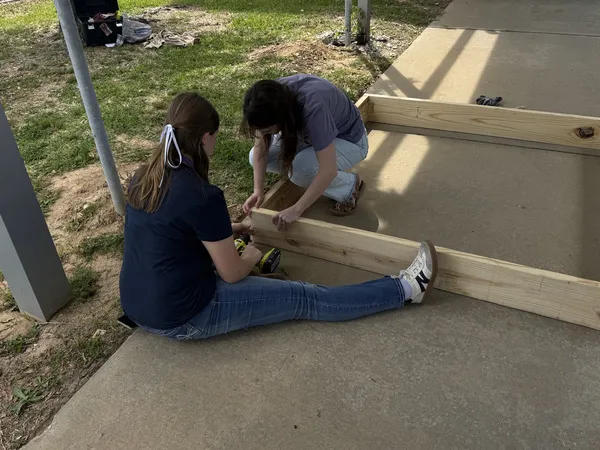
In Tomball, Texas, a barren natural space that used to be populated with trees left behind a lot more than just space at Tomball Star Academy; it reduced the presence of birds, butterflies, and other pollinators that once inhabited the area. Students a part of the Tomball Star Academy’s Conservation Club, led by high school educator Morgan Peake-Lozano, recognized the loss of biodiversity and set out to restore it by expanding their established garden space to support native plants and migrating species like Monarch butterflies. The high schoolers added five new garden beds and planted more native plants, vegetables, and herbs. Students selected species like milkweed, alongside a mix of other native plants such as salvia, lantana, zinnias, lavender, and native grasses, creating a more diverse and supportive habitat. As the garden beds started to become self-sustained, the impact became visible across the school. Birds like cardinals, blue jays, and mourning doves began to return, along with Monarch butterflies and other pollinators. Other students and faculty also started to take more interest, with members of the Conservation Club engaging in conversations about the plants, the rain barrel and birdbath they installed, and the role of native Texas species in supporting their garden. In addition to expanding the garden, students extended their impact by introducing a Share Table in their cafeteria to reduce food waste. Uneaten lunch items are now redistributed to a local community center at the end of each school day. Expanding the garden space at Tomball Star Academy helped establish an awareness around the local environment and how individuals, groups, and communities can play a role in bettering it.
“The kids worked together so well, and that is hard for 6th grade students.”
© Yevgeny Pevzner
Junior High Utah Students build solar-powered benches
© Yevgeny Pevzner
Educator: Yevgeny Pevzner
School: Kearns Junior High School
Location: Kearns, Utah
Project: Mini solar panels installed on school benches
Impact stats:
- 25 students in grades 6-8 worked together to start the foundation for 4 school benches outfitted with mini solar panels
- Recycled materials repurposed for bench construction
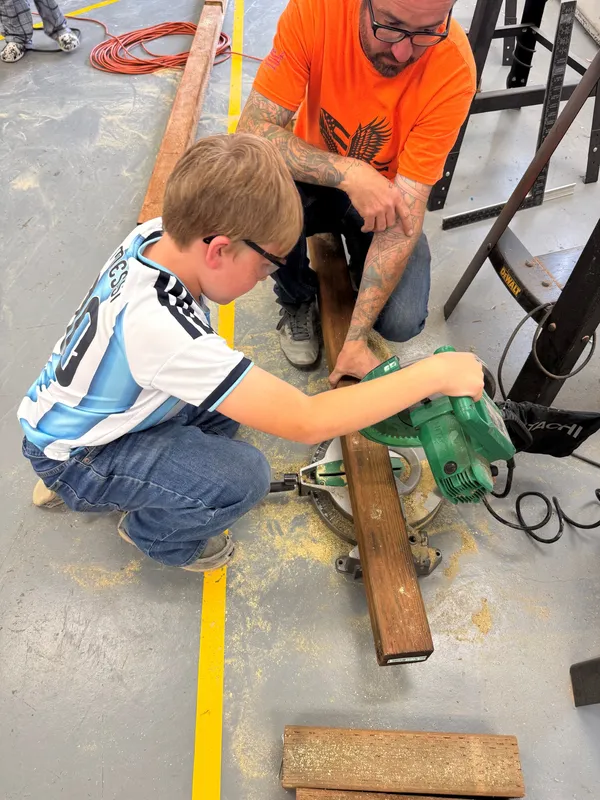
When Kearns Junior High School students learned about the power of solar energy, they wanted to find a way to harness this renewable resource for the entire school community. Led by science teacher Yevgeny Pevzner, the 25 students set out on an ambitious journey to create solar panel-fitted school benches. The students began by working with recycled wood to measure the amount needed for the benches, understanding along the way how to determine the most efficient way to cut and use each piece, reducing waste while maximizing resources. They practiced careful measurement, checked their work for accuracy, and collaborated with their classmates to solve problems and refine their approach. A key feature of the project is the addition of a solar panel to the top of each bench, allowing students to see how renewable energy can be integrated into everyday structures. Although the project is still ongoing, the students have already made tremendous progress. They have worked collaboratively to build the foundation of the benches and are continuing to refine their designs to ensure stability and functionality. By the start of the next school year, the goal is to complete four benches outfitted with mini solar panels, and the students are eager to return to the project even with summer break on the horizon.
“As they researched, met with experts, and participated in planning, their knowledge became much more detailed and specific. They began using more precise vocabulary, asking deeper questions, and making informed decisions about which plants would best support pollinators in our area.”
© Robert Roth
North Carolina students build a pollinator garden rooted in science and sustainability
© Robert Roth
Educator: Robert Roth
School: Charles P. Murray Middle School
Location: Wilmington, North Carolina
Project: Pollinator garden
Impact stats:
- 20 students involved in designing a school pollinator garden using research and data, including sunlight requirements, soil preferences, and spacing needs
- 3 partnerships with local community organizations, including a master gardener at the Wilmington Arboretum, North Carolina Wildlife Federation, and a compost partner
- 20 native plant species installed
- One school plant-growing station
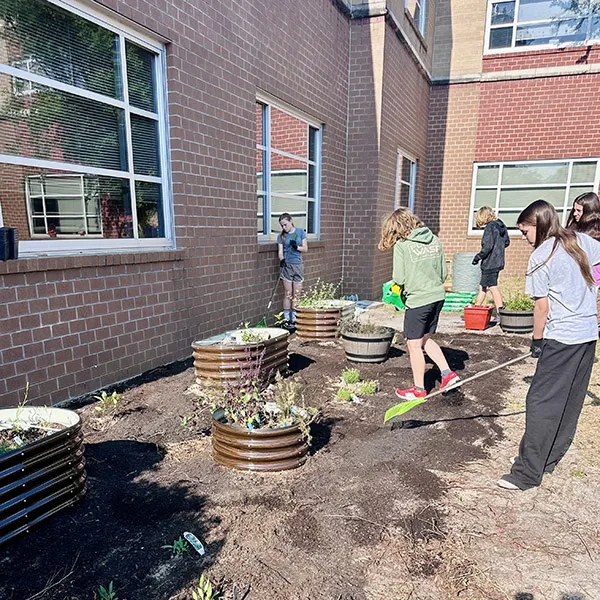
At a school in Wilmington, North Carolina, 20 middle school students set out to create something they had never built before: a garden designed to support local species and serve as a long-term learning space for their school. Rather than rushing into planting, students approached the project with a research lens, working first to understand how to design a garden that would truly thrive and sustain itself over time. In many ways, they set out to “teach the garden into existence.” Students, led by educator Robert Roth, began by researching native North Carolina pollinator plants, using the information to build a database that included details like sunlight needs, soil conditions, and spacing requirements. This allowed them to evaluate which plants would be best suited to the specific environment. To deepen their knowledge, the kids visited a local arboretum, where they met with a master gardener who guided plant selection and ecological impact. She later visited the school to offer recommendations tailored specifically to the garden site. As they researched, met with experts, and participated in planning, their knowledge became much more detailed. They began using more precise vocabulary, asking deeper questions, and making informed decisions about which plants would best support local pollinators. Throughout the winter, students built an indoor plant-growing station, using funds they had raised themselves. They also partnered with a local wildlife expert from the North Carolina Wildlife Federation, who helped design the garden to support both plant health and pollinator activity to the highest degree. Once spring approached, they set their plans into motion, working together to install raised beds, planters, and nutrient-rich soil donated by their local county's compost site. The kids began to see early signs of growth and development once the plants were installed, reinforcing the impact of their thoughtful preparation beforehand. Looking ahead, students at Charles P. Murray Middle School plan to continue growing and maintaining the garden with the help of their seed-starting station. They also hope to create educational signs and share what they have learned by teaching other students at the school. Through this grant project, the students not only created a thriving habitat for pollinators but also developed valuable skills as environmental stewards.
“We saw an increase in student ownership and pride, as they recognized that they were leading a real project with a meaningful impact on their school.”
© Kelsey Achtenberg
North Dakota students lead a no-waste movement in their cafeteria
© Kelsey Achtenberg
Educator: Kelsy Achtenberg
School: The Innovation School
Location: Bismarck, North Dakota
Project: Food waste audit and waste reduction
Impact stats:
- 20 students in grades 6-8 conducted a full school lunch waste audit
- 3 waste streams analyzed (food waste, unopened items, packaging)
- One share table created
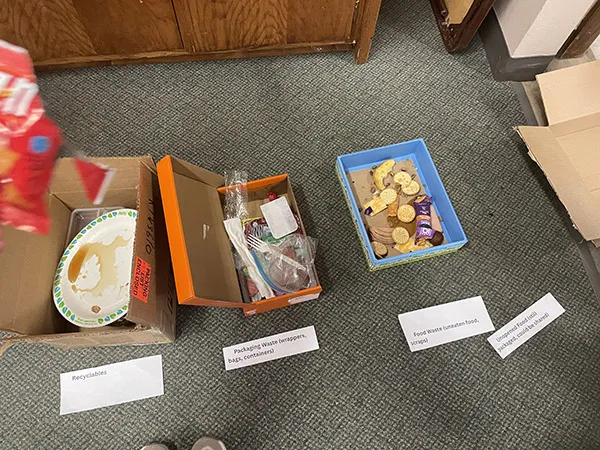
American schools throw away approximately 530,000 tons of food a year. This striking stat about school food waste is exactly what inspired the No-Waste Lunch Lab at the Innovation School in Bismarck, North Dakota. Kelsey Achtenberg’s middle school students noticed a large amount of food and food packaging thrown out after lunch during the audit and set out to make a change. To start, they conducted a food waste audit in the lunchroom, sorting real lunch waste into categories like food scraps, unopened items, and single-use packaging. They quickly saw the issue of food and plastic waste with their own eyes, turning this abstract concept into a tangible issue they could address. Using these results, the students identified the key areas for improvement: reducing the amount of uneaten food and offering alternatives to disposable packaging. The project started to take physical shape once the students introduced a Share Table for unused food and educated their peers about low-waste lunch habits. The commitment to reduced food waste and packaging spread to the students’ everyday behaviors, with many kids becoming more mindful of their daily choices, like what they brought in their lunches, replacing single-use packaging with reusable storage containers, and sharing food amongst their classmates. What began as a closer investigation into lunchroom habits evolved into a school-wide learning experience that introduced new food waste solutions to the Innovation School community, helping to build sustainable habits that extend far beyond the classroom.
This experience allows students to see the direct results of their hard work while sharing their harvest with others in the community
© Karissa Clarr
Florida sixth graders turn food scraps into fertile gardens through worm composting
© Karissa Clarr
Educator: Karissa Clarr
School: Ayni Learning Space
Location: Ruskin, Florida
Project: Worm composting system and school vegetable garden
Impact stats:
- 600+ worms cared for by students in a composting system
- 15 6th-grade students engaged in composting, gardening, and community outreach activities, including constructing planters from recycled pallet wood
- 2 edible crops grown—tomatoes and cucumbers—then used in a school picnic
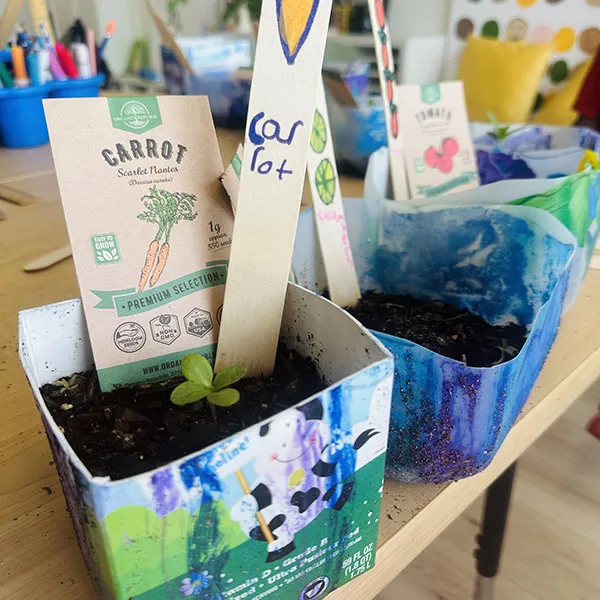
In one Florida sixth-grade classroom, students set out to grow their own fruits and vegetables from the start of the process to the finish. They began by establishing a worm composting system with more than 600 worms, learning how food scraps can be diverted from the waste stream and transformed into nutrient-rich compost. Once the kids saw that only organic matter can be composted, it even encouraged healthier snack choices so the students could feed their leftovers to the worms. The compost and soil were then diverted to planter boxes they constructed using recycled pallet wood, which they used to plant tomatoes and cucumbers, learning how sunlight, soil, water, and regular maintenance support healthy plant growth. To aid other students in learning about the garden and composting process, they created informational pamphlets that were included in garden starter kits for other classrooms. Cucumbers grown by the students were even used to make cucumber water for a school picnic, allowing them to share the joy and benefits of their hard work with the entire school community.
Apply for this year's Greenprints for the Future
for the opportunity to receive $1,200 to help your students put their solution into action.
© WWF