In the Great Plains, partnership is crucial to conservation

© WWF-US/ALEXIS BONOGOFSKY
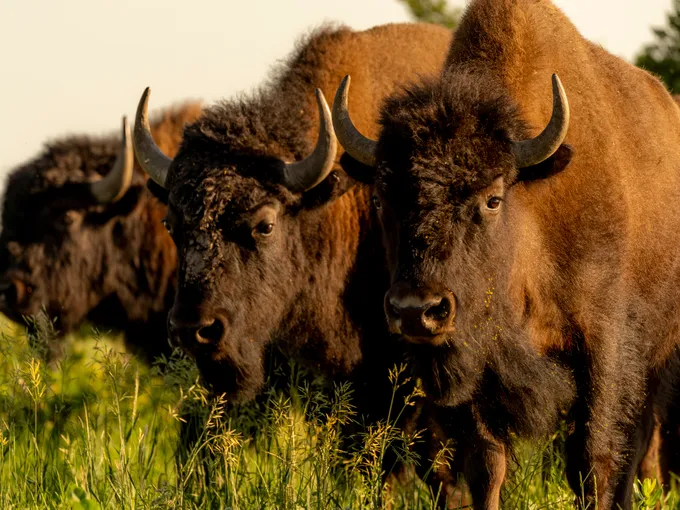
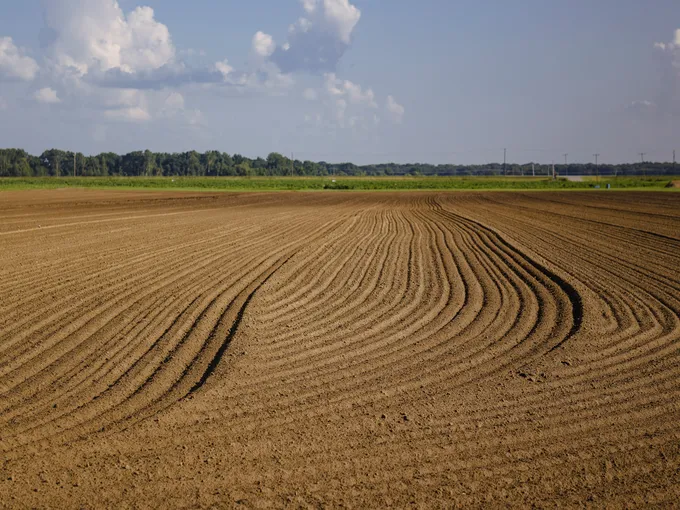
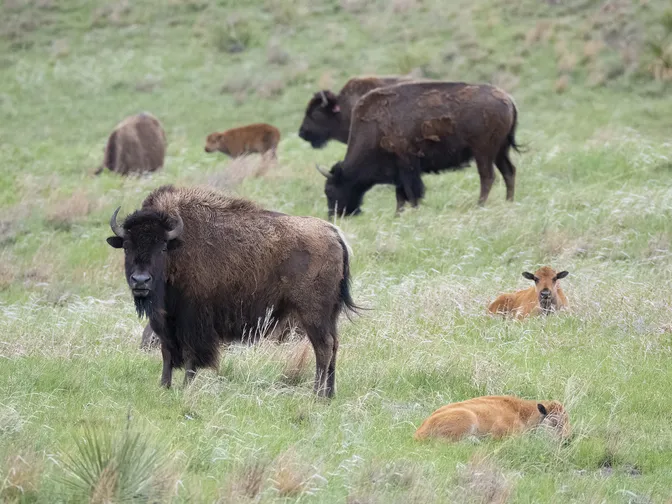
Encompassing sweeping prairies and some of North America’s largest river and aquifer systems, the Northern Great Plains is among the planet’s largest remaining temperate grasslands—and it supports grazing wildlife and nesting birds, native grasses, carbon-capturing soil, and economically important cattle ranches. Yet every year millions of acres of this essential habitat are lost, plowed up for row-crop agriculture or overtaken by invasive plants.
To help keep it intact, WWF launched the Ranch Systems and Viability Planning (RSVP) network in 2020. Bringing together ranchers, rural communities, and landowner-led organizations, the pilot project set an ambitious target: protect and enhance the management of 1 million acres of ranchland within five years—a goal that’s already been surpassed by 30%.
-
1.3 million acres
Amount of ranchland collectively managed by ranch owners enrolled in the RSVP network in four years (an area roughly the size of Grand Canyon National Park.)
-
1.6 million acres
Amount of grasslands that were plowed up for croplands across the US Northern Great Plains region in four years.
Today, more than 120 ranch owners across Montana, Nebraska, South Dakota, and Wyoming have committed to stewarding their land through the RSVP network. With access to training, financial tools, and peer-to-peer connections, participants are improving their cattle grazing practices, monitoring ecological changes, and building resilience on their lands.
And they’re demonstrating that when sustainably managed grasslands thrive, so do livestock, communities, and wildlife.
Who owns the Northern Great Plains?
79% Privately owned or managed
9% Tribally owned (both inside and outside reservation boundaries)
8% Federally owned
4% State- and province-owned
© Sarah Mosquera / WWF-US
Explore more
Keep reading this issue of World Wildlife magazine