
Congress must act now to keep the Rio Grande flowing

© Day's Edge / WWF-US
© WWF
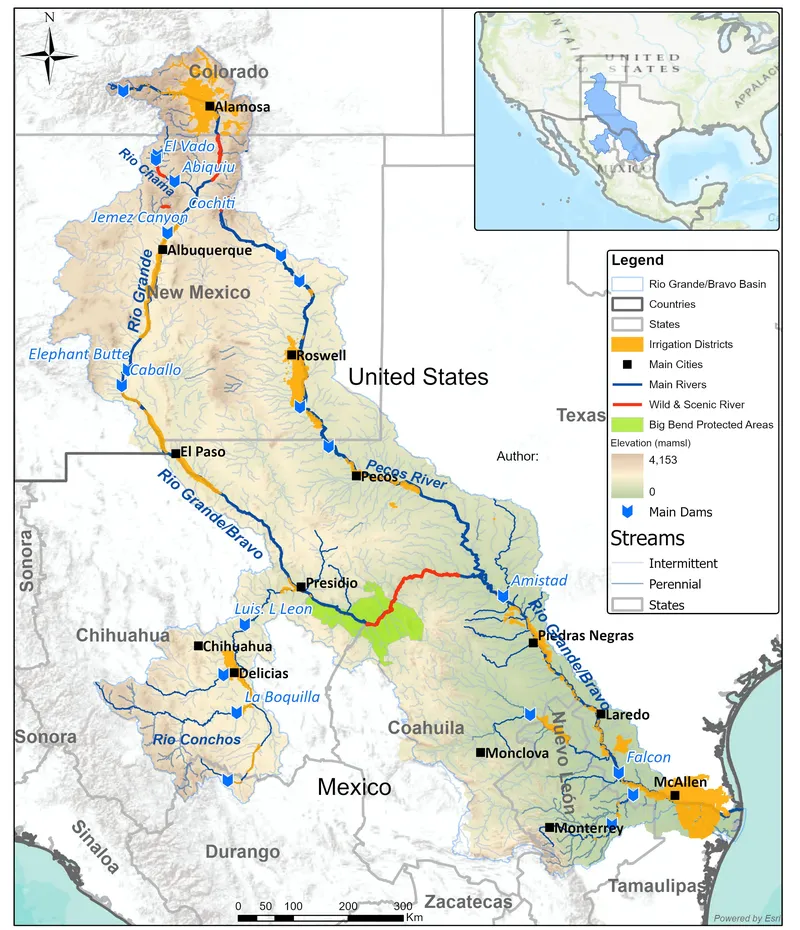
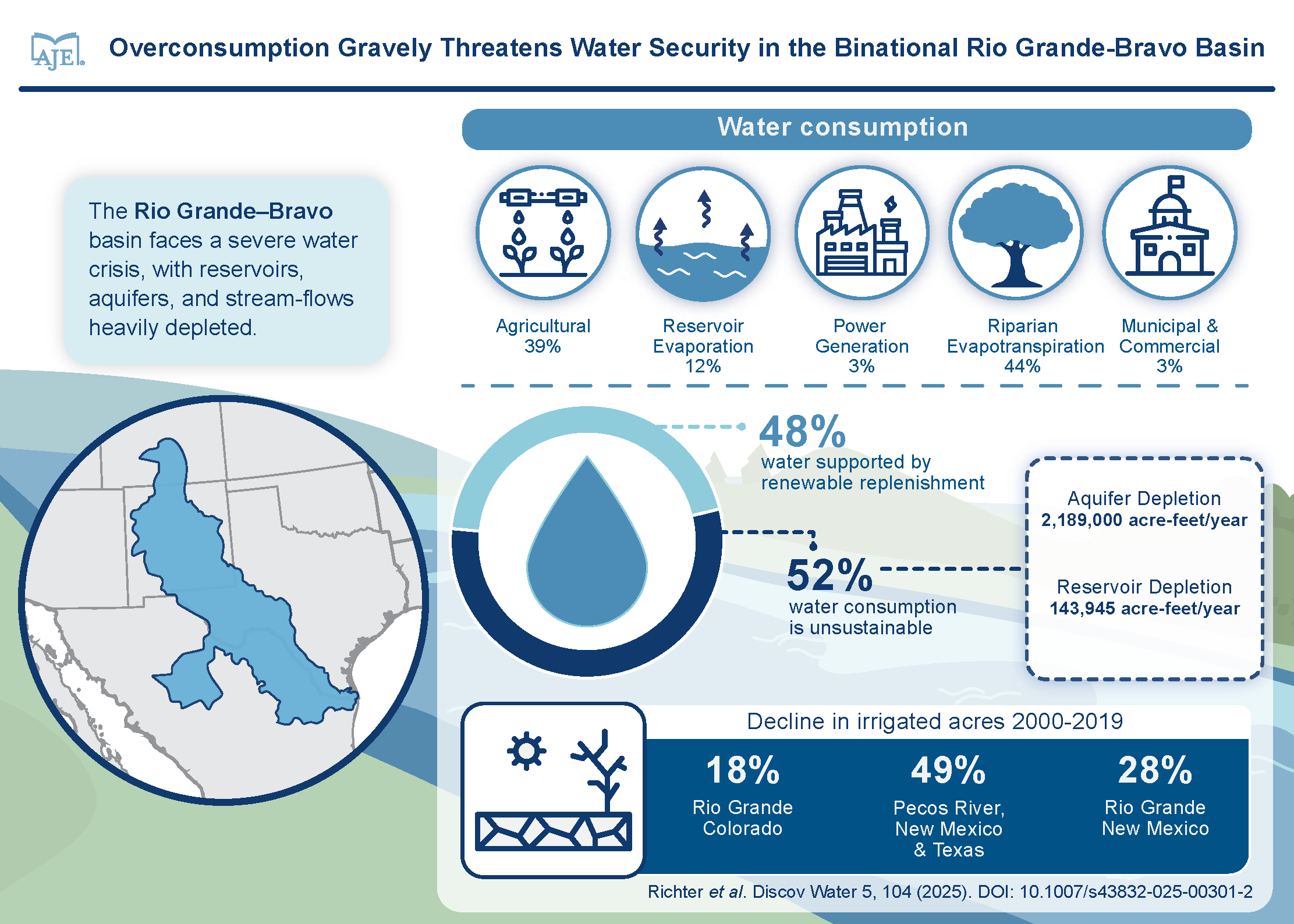
Across the American Southwest, communities, wildlife, and ecosystems are feeling the strain of prolonged drought, increasing wildfire risk, aging water infrastructure, and overallocation of increasingly limited water resources. The Rio Grande is a lifeline for more than 6 million Americans, and for 1.9 million acres of farmland, and is one of North America’s most biologically rich river systems, supporting more than 130 mammal species and 500 bird species. Yet the basin is in a severe water crisis: humans are consuming water faster than nature can replace it, with 52% of all water use now considered unsustainable, draining rivers, reservoirs, and aquifers.
The river has already lost 85% of its natural flow, delivering just 15% of its historic volume to the Gulf. Meanwhile, snowmelt that sustains the basin has dropped 17% since the year 2000 and is projected to decline another 16–28% as the climate warms. The consequences are profound: 71% of New Mexico’s reservoir storage has disappeared since 2002, groundwater losses exceed reservoir losses by more than 15 times, and nearly half of the farmland in parts of the basin has been lost due either in whole or in part to water shortages, underscoring the urgent need to rebalance the Rio Grande’s water budget before the region’s communities, economies, and ecosystems face even greater hardship.
In this critical moment, Congress is now debating two federal policy opportunities that could unlock long needed investment in water resilience: the Water Resources Development Act (WRDA) and WaterSMART appropriations.
The Rio Grande & WRDA 2026
Every two years, Congress passes the Water Resources Development Act to guide the U.S. Army Corps of Engineers’ work on water, infrastructure, and ecosystem restoration across the country. For 2026, a key priority has emerged for the Rio Grande: modernizing the Rio Grande Environmental Management Program (RGEMP).
Originally authorized in 2007, the RGEMP is designed to provide financial and technical support for projects that improve fish and wildlife habitat, watershed health, and drought resilience throughout the Basin. Yet the program has been underutilized due to cost share challenges and limited staff resources to manage coordinated action.
Proposed updates in WRDA would change that. Needed updates include:
- Additional funding from 2026 to 2032
- Additional public engagement and development of a comprehensive project database
- Clearer requirements, streamlined processes, and modernized tools to help state and local partners access funds
If enacted, these changes would create a reliable, long-term source of investment for multi- benefit projects that strengthen habitat, reduce wildfire and flood risks, improve water quality, and enhance water security for communities across the Basin.

© Daniel A. Leifheit, Moment RF, Getty Images
WaterSMART: A Complementary Path to Resilience
Alongside WRDA, WaterSMART programs within the Energy and Water appropriations bill provide funding, for the Bureau of Reclamation’s flagship water efficiency and drought resilience program. WaterSMART programs remain essential for supporting local water managers facing shrinking supplies and growing demand. Increased WaterSMART investment gives communities the ability to upgrade infrastructure, restore wildlife habitats, and plan for a warmer, drier future.
A Moment for Action
Together, WRDA 2026 and increased WaterSMART appropriations offer an unprecedented opportunity to build resilience in the Rio Grande Basin. Modernizing the Rio Grande Environmental Management Program would help unlock the program’s full potential, while WaterSMART continues to provide flexible, community-driven solutions to water challenges.
Congressional action is needed now to invest in WaterSMART and to pass the Water Resources Development Act of 2026 with strong support for the Rio Grande Environmental Management Program. These commitments will help protect the Basin’s ecosystems, strengthen communities, and ensure a thriving future for the water resources Americans depend on.
© Day’s Edge/WWF-US
Save our rivers, lakes, and wetlands
Ask your Members of Congress to support robust funding for critical freshwater conservation programs and to strengthen investments in the Water Resources Development Act.
Act now