
Drop by drop
How corporate efforts are transforming water stewardship in the textile industry

© Charlotta Järnmark / WWF-Sweden
From drought-stricken cotton fields in Turkey to industrial wastewater challenges in India and Pakistan, the health of freshwater ecosystems increasingly determines the resilience of global supply chains. WWF’s latest Drop by Drop annual report demonstrates a clear lesson: when brands, suppliers, farmers, communities, governments, and conservation organizations focus their efforts across an entire river basin, they can achieve meaningful environmental results while reducing business risk.
© Charlotta Järnmark / WWF-Sweden
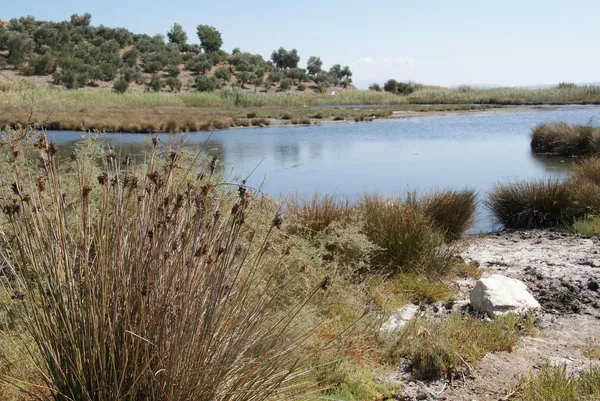
1. Büyük Menderes River, Turkey
© Charlotta Järnmark / WWF-Sweden
In the Büyük Menderes River in Turkey, home to 60% of the country’s home textile exports and one of its most important cotton-growing regions. Facing increasing water scarcity, WWF and local partners spent five years building a regenerative cotton program that expanded from just 15.5 hectares to 850 hectares. At the same time, textile industry stakeholders worked with the Denizli Chamber of Industry to develop financial tools that support cleaner production. What makes this effort remarkable is that it connects farmers, manufacturers, and water managers around a shared goal: securing the basin’s water future while strengthening the supply chain that depends on it.
© WWF-US/Khaula Jamil
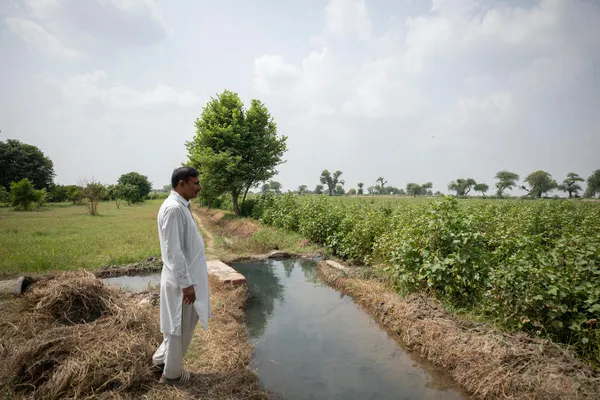
2. Indus River, Pakistan
© WWF-US/Khaula Jamil
In Pakistan’s Indus River, collaboration is helping turn water stewardship into practical business solutions. In Faisalabad, stakeholders developed a wastewater aeration project that reduces pollution from textile recycling operations. In Rahim Yar Khan, partners work to improve irrigation infrastructure that benefits both cotton suppliers and neighboring farms. These investments improve water efficiency, strengthen agricultural resilience, and help protect a basin that supports more than 90% of Pakistan’s agricultural production. The lesson: when companies invest beyond their factory gates, the benefits ripple throughout the supply chain.
© Emanuela Colombo / WWF-Laos
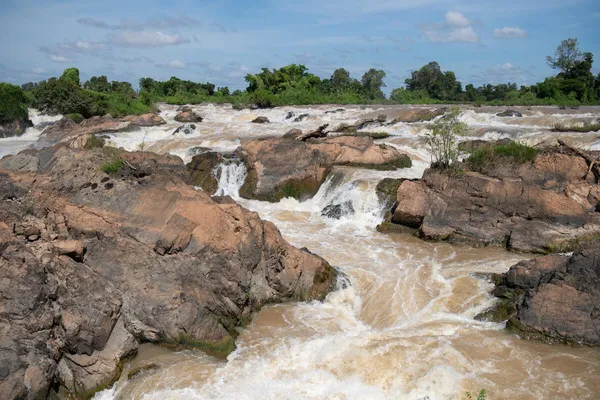
3. Mekong Delta and Dong Nai River Basins, Vietnam
© Emanuela Colombo / WWF-Laos
In Vietnam’s Mekong Delta and Dong Nai River Basins. After WWF conducted water audits of 12 textile mills, seven facilities upgraded wastewater treatment systems and five implemented water-saving measures, collectively saving over 47 million gallons of water (enough to fill 71 Olympic swimming pools). Companies also partnered with local authorities to co-invest in a six-kilometer water pipeline that now provides reliable, clean water access to 300 households. Here, corporate water stewardship has become more than operational efficiency. It strengthens community resilience while protecting the watersheds that the industry relies on.
© D. Sowmiyadevi, WWF India
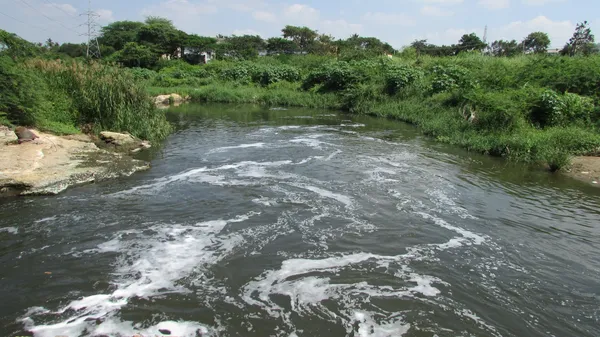
4. Noyyal and Bhavani River Basins, India
© D. Sowmiyadevi, WWF India
In India’s Noyyal and Bhavani River Basins, twenty-nine textile facilities implemented 112 efficiency recommendations, generating over 50 million gallons of water savings while reducing wastewater and energy use. Several companies also achieved sustainability certifications that strengthen their standing with international buyers. These outcomes demonstrate that environmental improvements and business performance can advance together.
© Charlotta Järnmark / WWF-Sweden
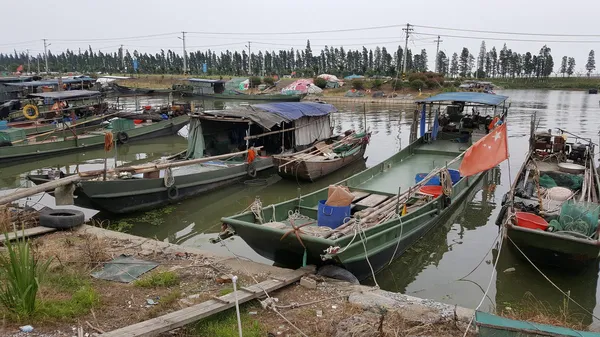
5. Taihu River, China
© Charlotta Järnmark / WWF-Sweden
Finally, in China’s Taihu River, brands, suppliers, industrial parks, universities, and conservation groups are building the foundation for the next generation of water stewardship. By clustering suppliers within industrial parks and linking water management efforts with wetland restoration, companies are moving beyond individual facility improvements toward systemic change.
At a time when global water risks threaten an estimated $77 billion in supply-chain value, these examples show that collaboration is not just good environmental practice. It is a smart business strategy. By focusing efforts across entire river basins, companies can reduce risk, improve operational resilience, support communities, and help restore the freshwater systems that make textile production possible. The most successful companies of the future will be those that recognize water stewardship is a shared responsibility, and that lasting impact happens when everyone contributes.
Drop by Drop
2025 Highlights From WWF’s Collective Action Programs on Water Stewardship in the Apparel and Textiles Sector

© WWF