Climate change and the Greater Mekong
A diverse and delicate ecosystem spanning Southeast Asia sees dramatic impacts
© WWF-Malaysia / Mazidi Abd Ghani
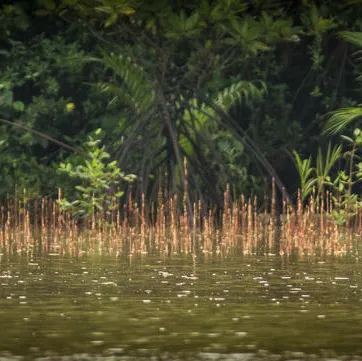
The Greater Mekong region, bound together by the Mekong River, spans more than 650 million acres across Cambodia, Laos, Myanmar, Thailand, and Viet Nam and supports more than 300 million people representing over 100 ethnic groups. Beyond its rich cultural diversity, the region is one of the world's most important centers of biodiversity, linking vast forests, wetlands, rivers, and agricultural landscapes across Southeast Asia.
At the center of the region is the Mekong River, which stretches almost 3,000 miles and supports at least 1,200 freshwater species, including the critically endangered Irrawaddy dolphin. The river basin is also a powerful natural climate asset. Its forests, wetlands, and waterways absorb and store carbon, helping regulate the climate while supporting healthy ecosystems throughout the region.
Climate pressures on a vital river basin
© naturepl.com / Cyril Ruoso / WWF
© FAN PENGFEI
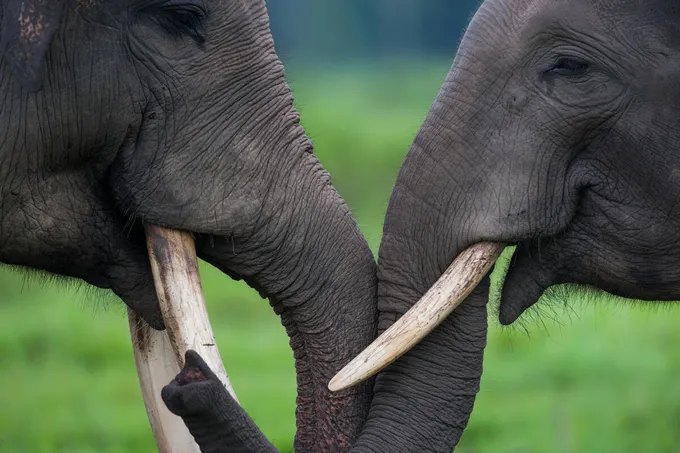
Climate change is placing growing pressure on the Greater Mekong's ecosystems and the communities that depend on them. Rising temperatures and shifting rainfall patterns are increasing the frequency and severity of both floods and droughts across the region.1 By 2060, climate projections indicate that rainfall in some areas could increase or decrease by as much as 15%, creating significant uncertainty for agriculture, freshwater resources, and wildlife habitat.1
The impacts are particularly concerning for the Mekong's fisheries, which are highly sensitive to changes in water flow, temperature, and seasonal flooding patterns. Climate-driven disruptions can alter migration routes for millions of fish that move through the basin each year, threatening one of the world's most important inland fisheries. As aquatic ecosystems become increasingly stressed, both wildlife and local communities may face greater competition for already strained natural resources.
Climate change is also compounding the effects of habitat loss. Once covered by extensive forests stretching from China to Viet Nam, the Greater Mekong has experienced dramatic deforestation over the past several decades.2 The region has already lost more than one-third of its primary forests, with losses projected to continue without stronger conservation measures. As forests disappear, the basin loses not only critical wildlife habitat but also one of its most important natural defenses against climate change. Forest loss reduces carbon storage capacity and can transform landscapes that once absorbed emissions into net sources of carbon pollution.2
Building climate resilience
Despite mounting challenges, conservation efforts across the Greater Mekong are helping build resilience for both people and nature. While agricultural expansion remains a leading driver of deforestation, some areas outside core forest landscapes have experienced gains in tree cover. Between 2010 and 2018, the subregion added approximately 4.68 million hectares of tree cover in non-forested areas, demonstrating the potential for landscape restoration and improved land management practices.3
Governments, communities, and conservation organizations are also advancing more sustainable approaches to managing freshwater and agricultural systems. Initiatives supported by frameworks such as the Kunming-Montreal Global Biodiversity Framework are helping strengthen protections for rivers, wetlands, and other critical ecosystems. Practices such as rice-fish farming, which can support both food production and biodiversity, are gaining traction throughout the region and offering models for more climate-resilient development.

© Jürgen Freund / WWF
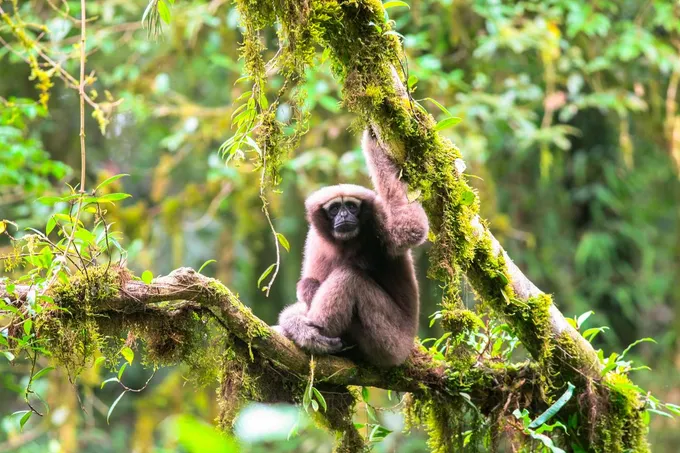
At the same time, the Greater Mekong continues to reveal its extraordinary ecological value. Between 2021 and 2022 alone, scientists documented approximately 380 newly identified species in the region. These discoveries underscore both the biological significance of the Greater Mekong and the urgency of protecting its ecosystems. As climate change accelerates, investing in conservation, sustainable land management, and community-led solutions will be critical to safeguarding one of the world's most important river basins for generations to come.
References
1 Mekong River Commission. (2021). Climate change. Mekong River Commission.
2 Yasmi, Y., Durst, P., & Haq, R. U. (2018). Forests in the Greater Mekong Subregion (GMS). United Nations.
3 Reytar, K., Stolle, F., & Anderson, W. (2019). Deforestation threatens the Mekong, but new trees are growing in surprising places. World Resources Institute.