© naturepl.com / Hougaard Malan / WWF
Conservation beyond protected areas
Other Effective Area-based Conservation Measures
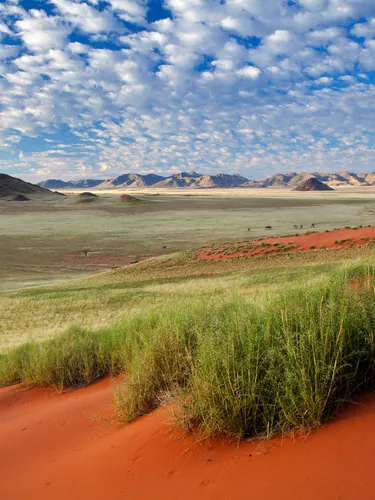
Across landscapes and seascapes, Indigenous Peoples and local communities have long cared for places where nature thrives, applying cultural practices, traditional knowledge and local governance systems that have been passed down over generations. Their ways of life have delivered conservation of nature beyond official protected areas. Similarly, companies and a range of government agencies manage sites that are outside protected areas but nevertheless deliver conservation outcomes. Despite the importance of these places –which include watersheds, rangelands, and coral reefs– these contributions were not always formally recognized in conservation policy.
In 2018, countries agreed to identify and support these kinds of sites, referring to them as other effective area-based conservation measures (OECMs). OECMs are sites outside formally declared protected areas where biodiversity is thriving, including across landscapes, rivers, and seascapes.
They differ from protected areas in an interesting way. While protected areas are sites that are dedicated to the conservation of biodiversity, an OECM can be managed for a wide range of uses so long as it delivers long term conservation outcomes. Examples include areas as diverse as community managed forests used to harvest Brazil nuts, locally managed mangroves that support the reproduction of fish, and a government owned military site whose low-intensity use conserves local species. The OECM framework puts a strong emphasis on ecosystem services, and the cultural, spiritual, and socioeconomic values of the local communities.
As nature continues to be threatened by human impacts, the OECM framework provides us with a significant opportunity to provide recognition and support for the people who steward important places that don’t fit the traditional criteria of a protected area.
OECMs in international policy
The OECM framework first appeared in 2010 in an effort to acknowledge that biodiversity conservation occurs outside of formally declared protected areas. It took another eight years to define the term and develop criteria, finally agreed at COP-14 of the Convention on Biological Diversity. OECMs especially help recognize areas managed by government agencies, Indigenous peoples, local communities and private entities, acknowledging contributions not previously included in conservation reporting.
A place can be recognized as an OECM if it meets four key criteria:
- It is a clearly defined place and is not already a protected area.
- It is well governed and cared for, with respect for the rights, knowledge, and leadership of Indigenous Peoples and local communities.
- It helps conserve nature over the long term, including wildlife, habitats, and connections that keep ecosystems healthy.
- It supports both nature and people, by protecting ecosystem benefits and respecting local values and ways of life.
OECMs can look like...
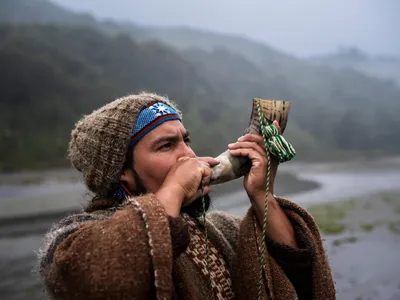
Sacred natural sites
© Meredith Kohut / WWF-US
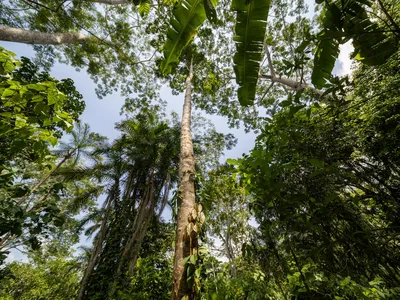
Community-managed forests
© Andrés Murrieta / WWF Perú
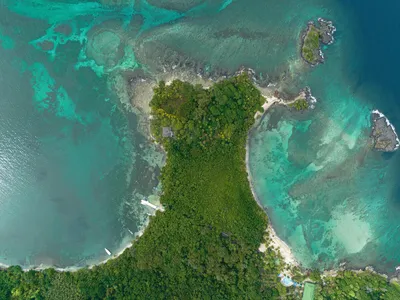
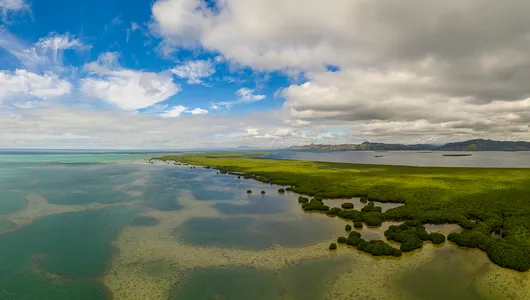
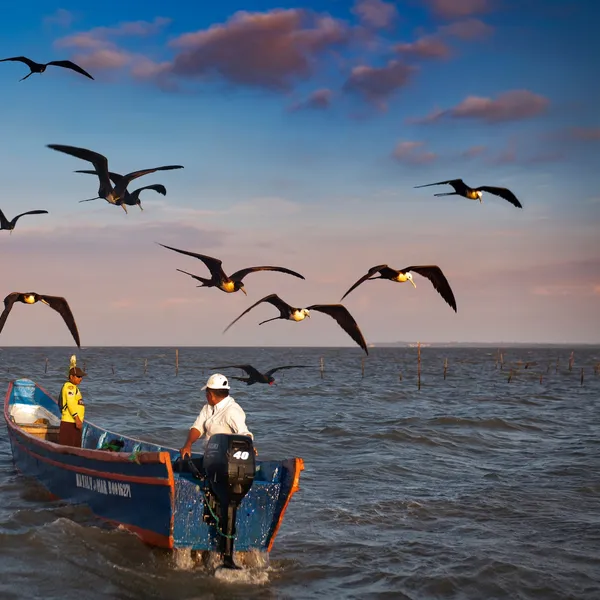
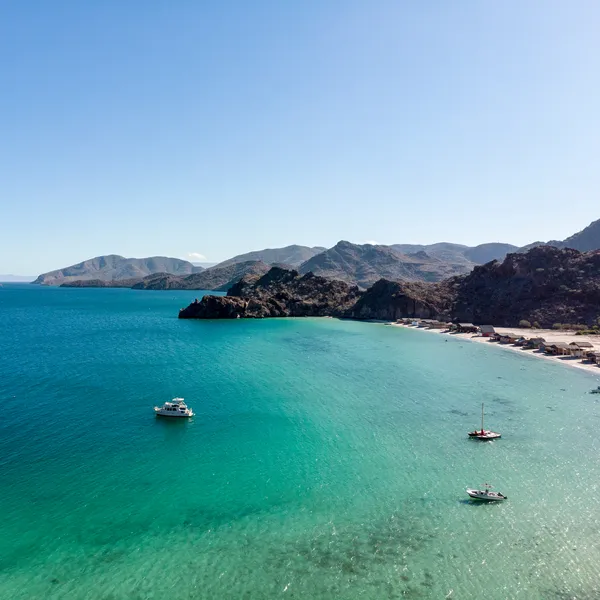
Locally managed marine areas
© Alejandro Pabon
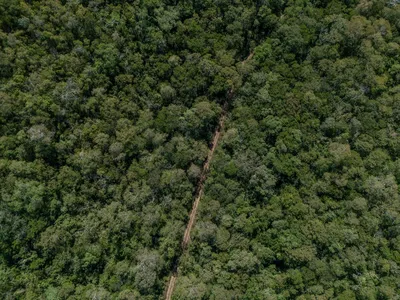
High conservation value areas adjoining agricultural areas
© WWF-US / Tomás Munita
OECMs and the 30x30 target
OECMs have gained momentum as the world strives to meet ambitious biodiversity and climate goals. In 2022, the Parties to the Convention on Biological Diversity agreed on Target 3 of the Kunming-Montreal Global Biodiversity Framework, which aims to protect and conserve at least 30% of the Earth's surface by 2030. OECMs are essential for achieving this goal—often referred to as the 30x30 target. OECMs are one pathway in which countries can fulfil their area-based conservation commitments related to Target 3 of the Convention on Biological Diversity (CBD).
Research by WWF demonstrates that OECMs contribute to the global extent of conservation areas, improve ecological connectivity, and enhance ecological representation that recognizes diverse value systems and integration within wider landscapes and seascapes.
What WWF is doing
WWF brings growing experience and expertise to advancing OECMs around the world by:
- Helping create the right policy conditions so OECMs can be recognized and included in national conservation efforts—alongside protected areas, Indigenous territories, and global goals like 30x30.
- Developing practical tools and resources that make it easier to identify, report on, monitor, and strengthen OECMs over time.
- Supporting action at every level by contributing to national efforts, bringing people together across regions, and working closely with local partners.
- Working to increase support for stewards by helping channel funding and resources to the communities and groups caring for these areas.
Selected projects
© WWF
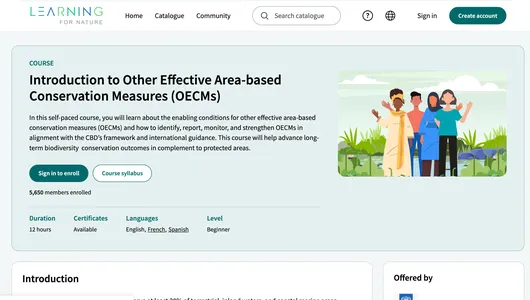
Introduction to OECMs Course
WWF developed a free OECM self-paced e-course in English, French, and Spanish, based on IUCN-WCPA guidance. Launched in December 2025 on UNDP’s Learning for Nature platform, it helps practitioners, policymakers, researchers, and community leaders identify, report, monitor, and strengthen OECMs.
© WWF
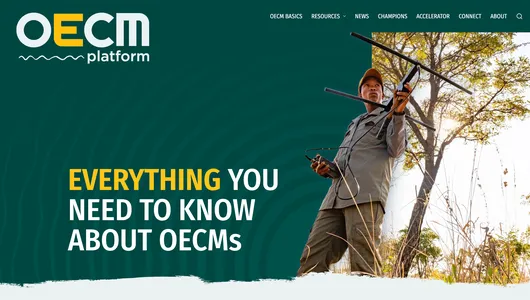
OECM Platform
WWF launched the OECM Platform in 2026 as a global hub for OECM guidance, tools, case studies, and future funding opportunities, helping stewards, practitioners, policymakers, researchers, and partners turn global guidance into action and strengthen OECMs worldwide.
© TOM VIERUS/WWF-US
Exploring OECMs
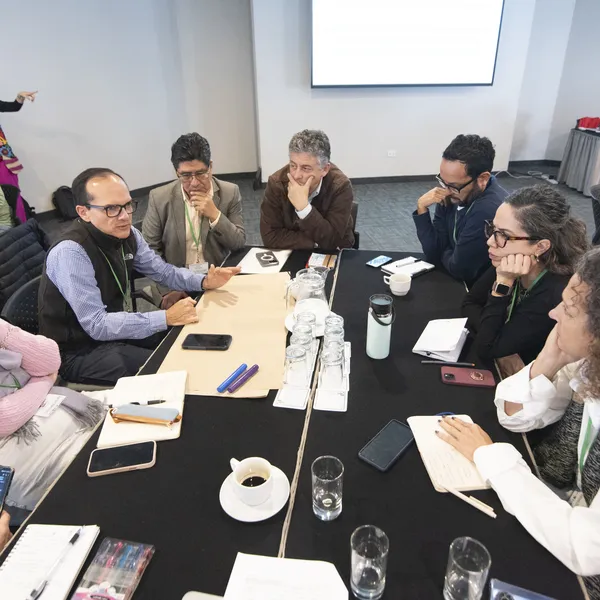
The 2022 Fuller Symposium brought leading experts to engage critically with OECMs, analyze the potential for these sites worldwide, identify implementation challenges and ways to address them, and investigate the conditions needed to maximize their positive contributions to people and the planet.
News and stories
OECM resources co-developed by WWF
- OECM Platform: WWF manages the WWF Platform that is the world’s most comprehensive resource on OECMs, containing the resources listed below and many more OECM laws, case studies and news items.
- Guidance on other effective area-based conservation measures (OECMs): These good practice guidelines, published by the IUCN World Commission on Protected Areas, are the most up-to-date guidance on understanding, creating enabling conditions for, and operationalizing OECMs.
- Site-level tool for identifying other effective area-based conservation measures (OECMs): This step-by-step interactive tool walks practitioners through all the necessary parts of assessing whether an area is an OECM. It’s an important document to use whenever a site is being considered as an OECM.
- Advancing legal and policy frameworks for OECMs: This report provides the first comprehensive, comparative assessment of the legal and policy mechanisms that countries are using to give effect to OECM identification and reporting.
- From Potential to action: OECMs and inclusive conservation in Latin America: This report examines how inclusive conservation can be advanced through OECMs across six countries—Bolivia, Brazil, Colombia, Ecuador, Mexico, and Peru.
- SWIO OECM Policy Brief: This report was collaboratively developed with OECM practitioners and national expert teams to assist contracting parties to the Nairobi Convention in leveraging OECMs as a complementary tool to existing area-based conservation measures. By reviewing progress towards developing marine OECMs in 10 Western Indian Ocean countries, this report highlights regional opportunities for shared learning and coordinated action towards OECMs, with an emphasis on strengthening marine community-based management and conservation efforts.
- Lessons Learned from the Field: Recommendations for the Implementation of the OECM Framework in Bolivia: In September 2025, stakeholders from Peru and Bolivia exchanged OECM experiences in Madre de Dios, Peru. The publication shares lessons from Peru’s collaborative, ground-up approach and offers recommendations to help Bolivia develop a participatory, sustainable OECM framework tailored to its national context.
- Estado de las OMEC en América Latina y el Caribe: This report presents the first regional assessment of the status of and national progress in implementing the OECM framework in Latin America and the Caribbean (LAC). Developed within the framework of the Collaborative Agenda for OECMs in LAC 2025–2030, the study examines progress, opportunities, and challenges related to the implementation of OECMs across 36 countries and territories in Mesoamerica, the Caribbean, the Amazon, and the Southern Cone.
Experts
-

Dr. Gabby Ahmadia
Vice President, Seascapes and Science, Oceans
-

Nathan Bennett
Global Oceans Lead Scientist, Global Science
-

Lucía Ruiz Bustos
Senior Director of PFP Implementation
-

Johana Deza
Lead Specialist, Conservation Areas
-
Harry Jonas
Senior Director, Conservation Areas
-
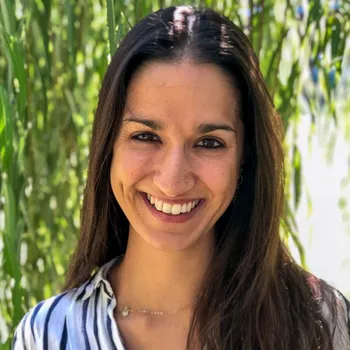
Shauna Mahajan
Director, Western Indian Ocean Seascape, Oceans
-
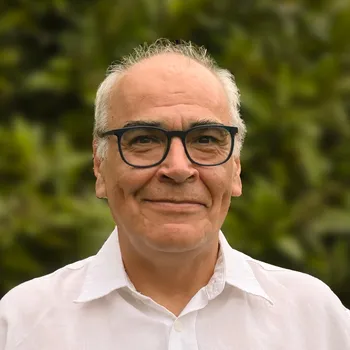
Pablo Pacheco
Global Forests Lead Scientist, Global Science
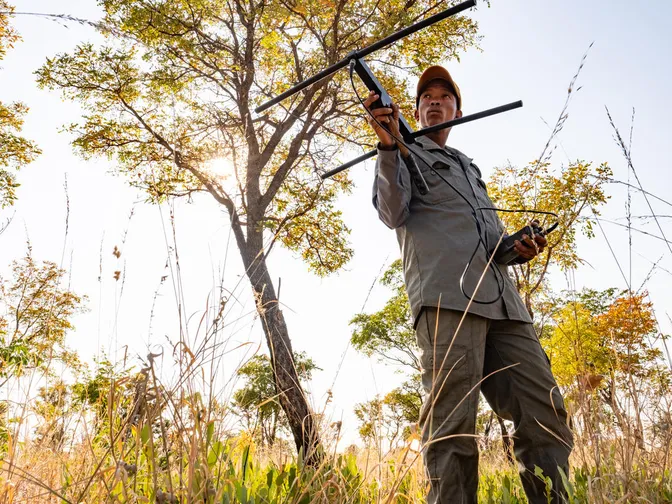
Actively conserving nature
Everything you need to know about OECMs. The OECM Platform is managed by World Wildlife Fund as a global resource for stewards, conservation practitioners, legislators, philanthropists, journalists, researchers, and anyone interested in conservation.
© Jason Houston / WWF