Publications
-
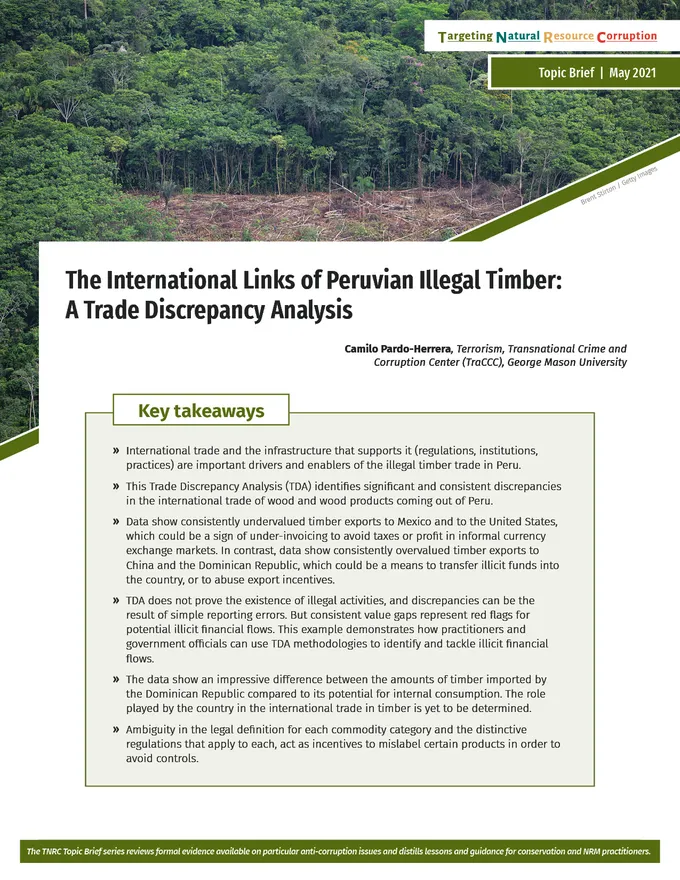
International trade and the infrastructure that supports it (regulations, institutions, practices) are important drivers and enablers of the illegal timber trade in Peru. This paper's Trade Discrepancy Analysis (TDA) identifies significant and consistent discrepancies in the international trade of wood and wood products coming out of Peru. Commerce data between Peru and it‚'s most important trading partners flagged specific issues that could potentially be related to illegal acts such as tax evasion, fraud, or money laundering. The analysis suggests that the ease to perform all these acts though trade mis-invoicing, in a context of increasing global demand for timber products, are factors that drive and facilitate illicit timber in Peru.
For more from the Targeting Natural Resource Corruption project , visit the TNRC Knowledge Hub.
---This content is made possible by the generous support of the American people through the United States Agency for International Development (USAID). The contents are the responsibility of World Wildlife Fund (WWF) and do not necessarily reflect the views of USAID, the United States Government, or individual TNRC consortium members.
-
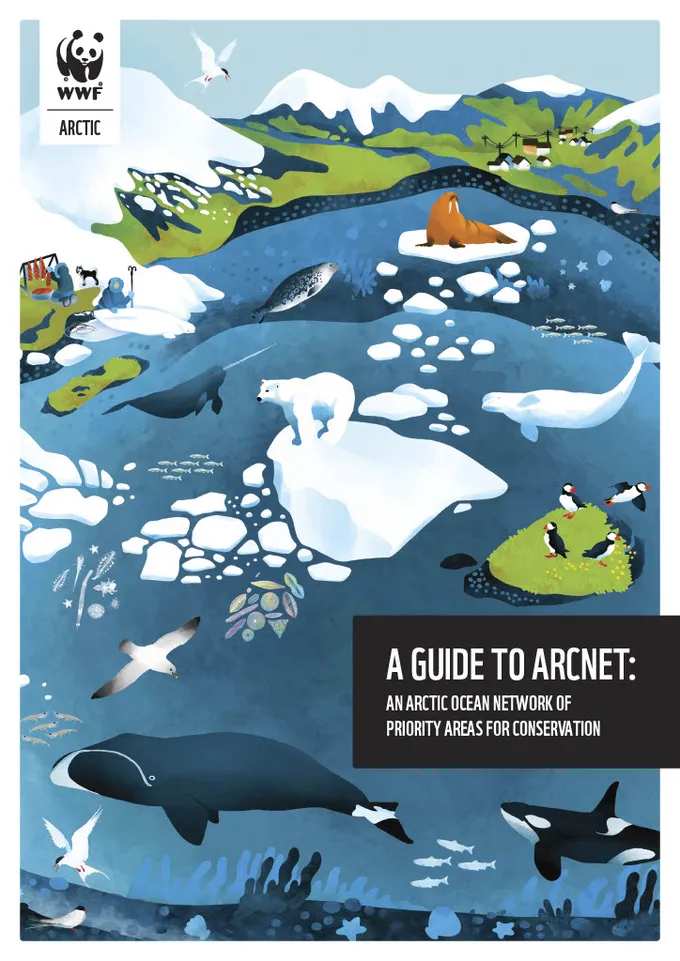
WWF has developed ArcNet‚ – a network of priority areas for marine conservation‚ – across the entire Arctic Ocean and adjacent seas. The network is based on comprehensive, rigorous scientific analysis and best-available data. ArcNet reflects the web of marine life and ecological functions across a connected ocean that underpins the diverse values of people in the region and beyond.
-
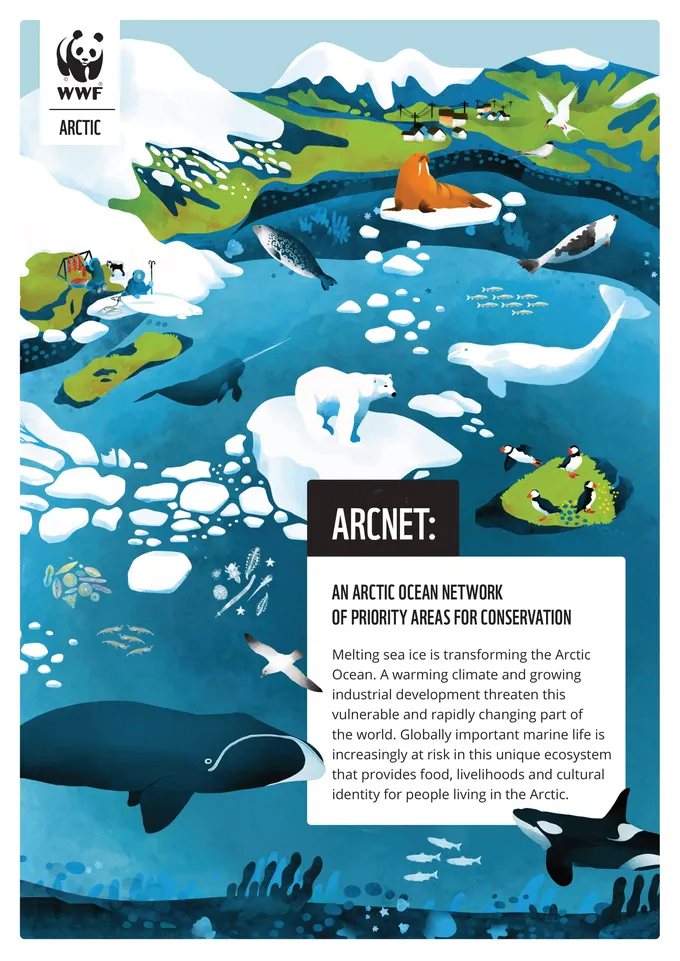
ArcNet is a network of priority areas for marine conservation that spans the entire Arctic Ocean and adjacent seas. Conserving these ecosystems strengthens the resilience of Arctic biodiversity in the face of a rapidly changing climate. Learn what role we all can play in protecting the arctic in this brochure.
-
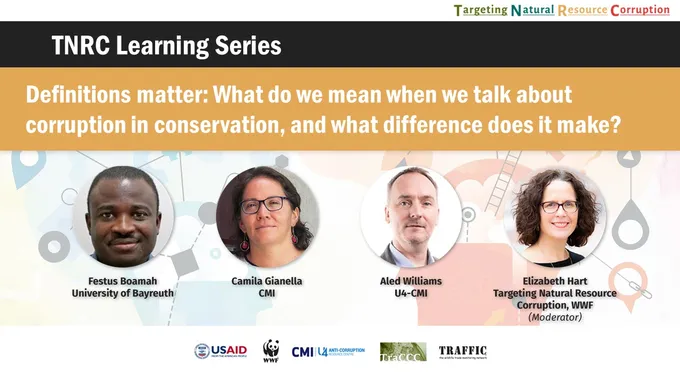
This presentation is from a TNRC Learning Series Webinar on 8 April 2021. The webinar addressed the following learning questions: 1) How has corruption been defined in relation to renewable natural resource sectors? 2) How have understandings, definitions, and indicators of corruption relevant to natural resources changed or evolved over time and space? 3) What are the main implications of the various definitions of corruption in terms of prioritization of policies and approaches for tackling natural resource corruption? and 4) What lessons should natural resource management practitioners take away from discussions on corruption definitions and how might they apply these in their work?
SPEAKERS:
Festus Boamah, University of Bayreuth
Camila Gianella, CMI
Aled Williams, U4-CMI
Liz Hart, Targeting Natural Resource Corruption, WWF
---
This content is made possible by the generous support of the American people through the United States Agency for International Development (USAID). The contents are the responsibility of World Wildlife Fund (WWF) and do not necessarily reflect the views of USAID, the United States Government, or individual TNRC consortium members.
-
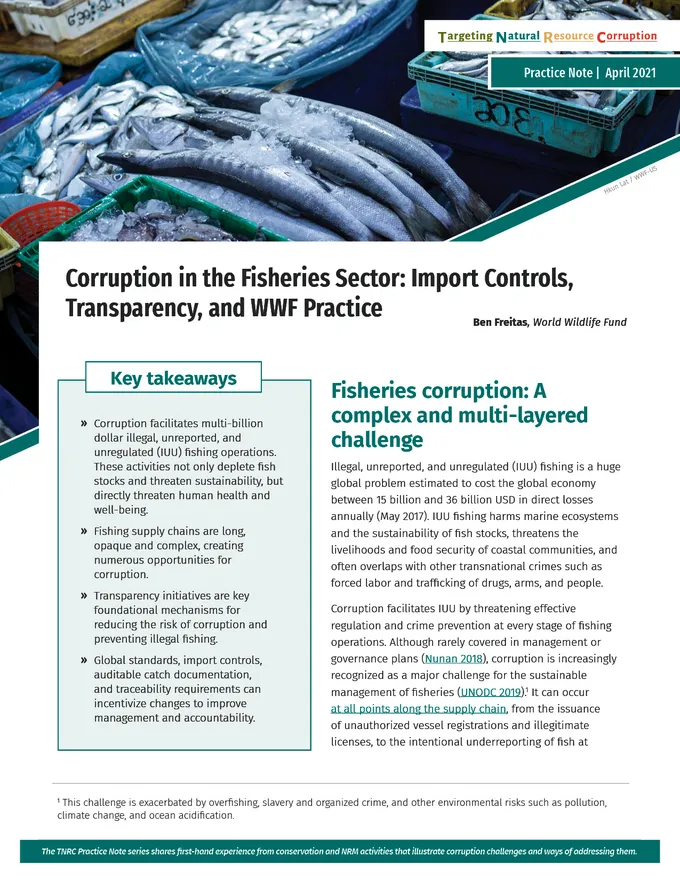
Illegal, unreported, and unregulated (IUU) fishing is a huge global problem estimated to cost the global economy between 15 billion and 36 billion USD in direct losses annually. Corruption facilitates IUU by threatening effective regulation and crime prevention at every stage of fishing operations. The types and extent of corruption in the fisheries sector are vast, requiring different types of interventions at different levels of power. This paper describes three levels of anti-corruption efforts involving transparency and their successes and challenges in reducing opportunities for corruption. These lessons and perspectives can inform foundational efforts to enhance transparency in fisheries, reduce opportunities for fisheries corruption, and safeguard marine ecosystems.
For more information and resources, visit the TNRC Knowledge Hub
---
This content is made possible by the generous support of the American people through the United States Agency for International Development (USAID). The contents are the responsibility of World Wildlife Fund (WWF) and do not necessarily reflect the views of USAID, the United States Government, or individual TNRC consortium members.
-
In late 2020, WWF commissioned GlobeScan to conduct research to build upon previous consumer analysis to generate up-to-date insights about ivory consumption and consumer perceptions toward the ivory ban after its implementation (Dec. 31, 2017). This study follows previous research conducted by GlobeScan in 2017, 2018, and 2019 on both the pre-and post-domestic ivory ban in Mainland China. We identify target consumer groups, products, and drivers of consumption that need to be addressed as a priority and provide data for designing, developing, and delivering interventions. By continuing to monitor the perceptions and actions of Chinese consumers, WWF can incorporate changes in consumer behavior into their latest demand reduction campaigns and thereby increase the effectiveness of these campaigns.
-
WWF‚'s mission is to build a future in which humans live in harmony with nature. As the 2020 Living Planet Report demonstrates, the challenges that the global environment is facing today are too big, too interconnected, and too urgent for any one organization to solve alone. WWF believes that lasting conservation is achieved through collaboration with a range of extraordinary partners, including governments, local communities, businesses, and individual donors. In FY20, WWF worked with our corporate partners to help achieve our conservation mission. This report showcases how we‚'re leveraging the private sector as a force for conservation.
-
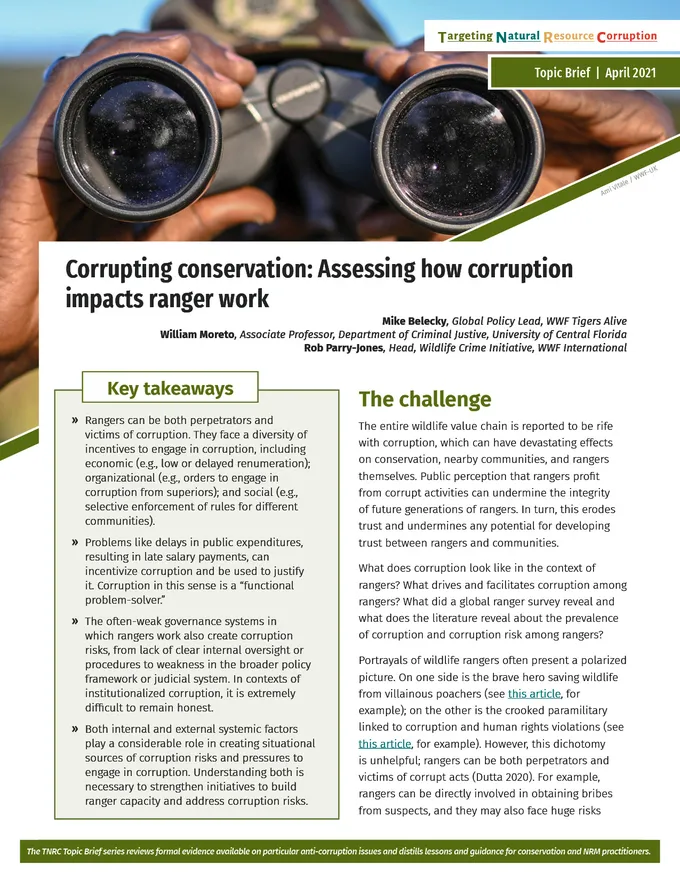
The entire wildlife value chain is reported to be rife with corruption, which can have devastating effects on conservation, nearby communities, and rangers themselves. Public perception that rangers profit from corrupt activities can undermine the integrity of future generations of rangers. In turn, this erodes trust and undermines any potential for developing trust between rangers and communities. This brief examines the issue of ranger corruption, drawing on data from a recent global study led by WWF and the University of Central Florida as well as other available literature.
For more resources, visit the TNRC Knowledge Hub.
---
This content is made possible by the generous support of the American people through the United States Agency for International Development (USAID). The contents are the responsibility of World Wildlife Fund (WWF) and do not necessarily reflect the views of USAID, the United States Government, or individual TNRC consortium members.
-
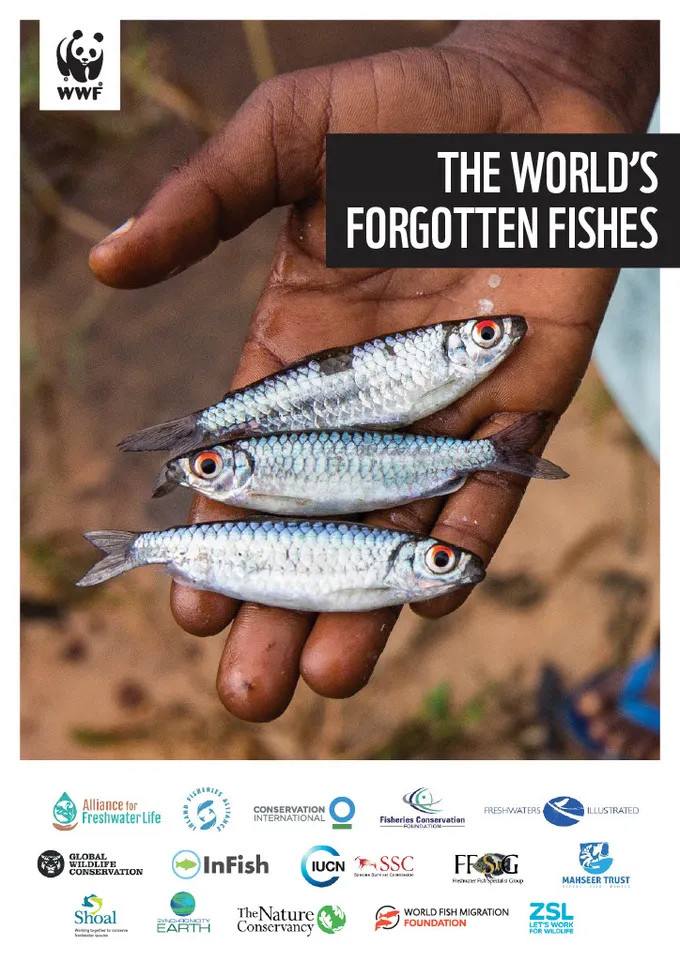
Undervalued and overlooked, the world's freshwater fish are critical for the lives and livelihoods of hundreds of millions of people‚ – and the health of rivers, lakes, and wetlands‚ – but 1/3rd of them are already threatened with extinction. Promoting thriving populations of freshwater fishes and the ecosystems within which they thrive is a priority for WWF and the 15 organizations and alliances that produced this report.
-
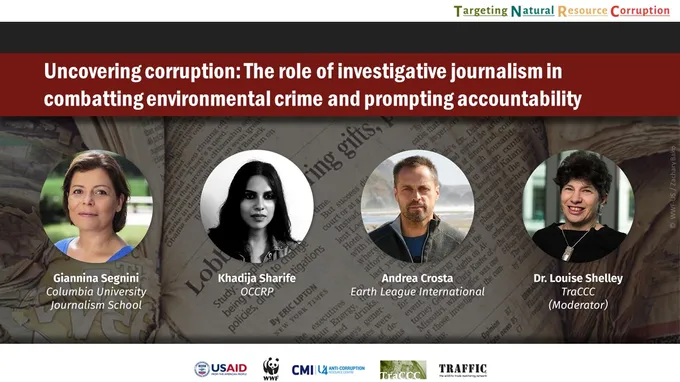
Investigative journalists are often the first to uncover corruption in locations with limited enforcement or low rule of law. This is particularly true in environmental sectors that tend to be low priorities for law enforcement and governments. This presentation deck is from a TNRC Virtual Panel on 11 March 2021 with two journalists and an investigator who specialize in uncovering environmental crime and corruption. Insights were shared on their roles, their techniques, and how they engage with conservation practitioners.
---
This content is made possible by the generous support of the American people through the United States Agency for International Development (USAID). The contents are the responsibility of World Wildlife Fund (WWF) and do not necessarily reflect the views of USAID, the United States Government, or individual TNRC consortium members.