Publications
-
In collaboration with the CARE-WWF Alliance, EnGen Collaborative conducted a literature review as a critical step in responding to the question: What is the cost of biodiversity loss and environmental degradation on gender equality? The research unearthed several findings about the relationship between gender and the environment, but what is most noteworthy are the gaps that emerged.
-
-
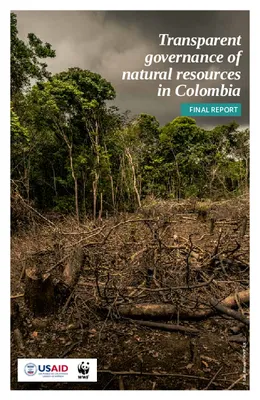
Transparent Governance of Natural Resources (TGNR) is a project funded by USAID and executed by WWF with three (3) organizations that contributed information and the methodology for the analysis. The project's primary aim was to generate clear and feasible recommendations for mitigating corruption and organized crime that are the cause of deforestation, forest degradation, and biodiversity loss in the Amazon and the Colombian Pacific. To this end, the TGNR identified and prioritized four (4) drivers associated with this environmental problem: illegal gold mining, illegal logging, wildlife trafficking and land grabbing.
-
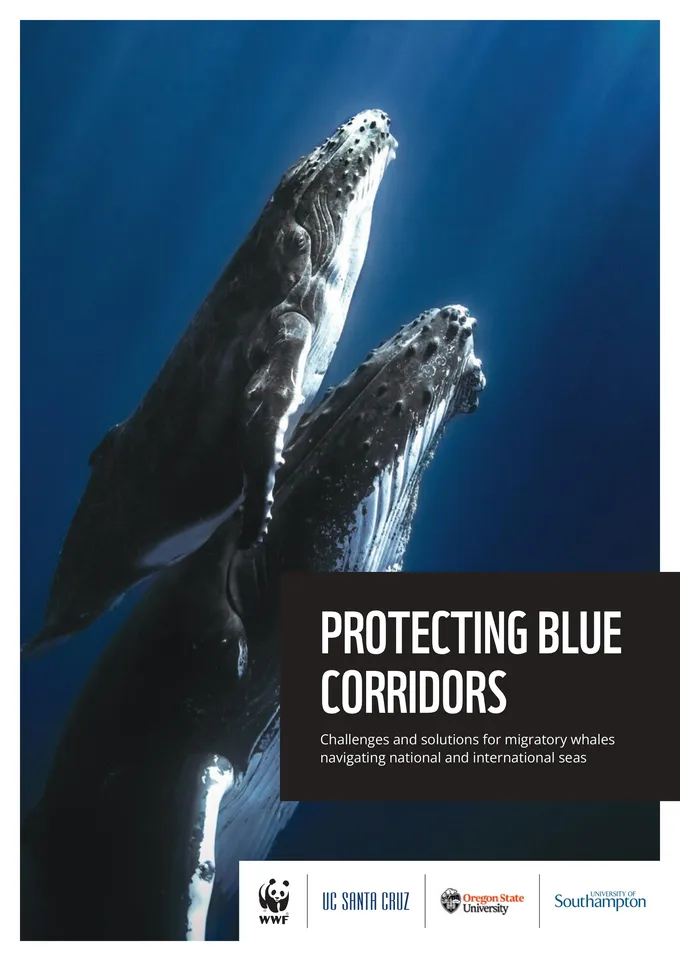
Challenges and solutions for migratory whales navigating national and international seas.
-
The Bioplastic Feedstock Alliance (BFA) is a WWF-led multistakeholder initiative that provides thought leadership on responsibly sourced bioplastics as part of a circular economy. A foundational objective of the BFA is to develop and maintain a methodology for assessing bioplastic feedstocks in order to secure a common understanding of responsible sourcing considerations. This methodology, which is an update to a version published in 2016, serves as a tool to allow brands and producers to make more transparent sourcing decisions on biobased plastic feedstocks.
-
This Markets Institute white paper looks at how crises ripple through the food industry, resulting in financial, legal, operational, and reputational damage, and how companies can proactively and transparently address their risk.
-
Anti-corruption programming is rarely linear, and sustainable change can take many years. Political contexts can shift, and key actors may cycle in and out of positions of authority. Furthermore, anti-corruption programming is relatively new to the conservation and natural resource management (NRM) sector. This makes the role of monitoring, evaluation, and learning (MEL) in building an evidence base vitally important. This TNRC introductory overview summarizes the approaches that program designers, program managers, and MEL specialists should consider when planning MEL activities. This overview does not address project design considerations.
---
This content is made possible by the generous support of the American people through the United States Agency for International Development (USAID). The contents are the responsibility of World Wildlife Fund (WWF) and do not necessarily reflect the views of USAID, the United States Government, or individual TNRC consortium members.
-
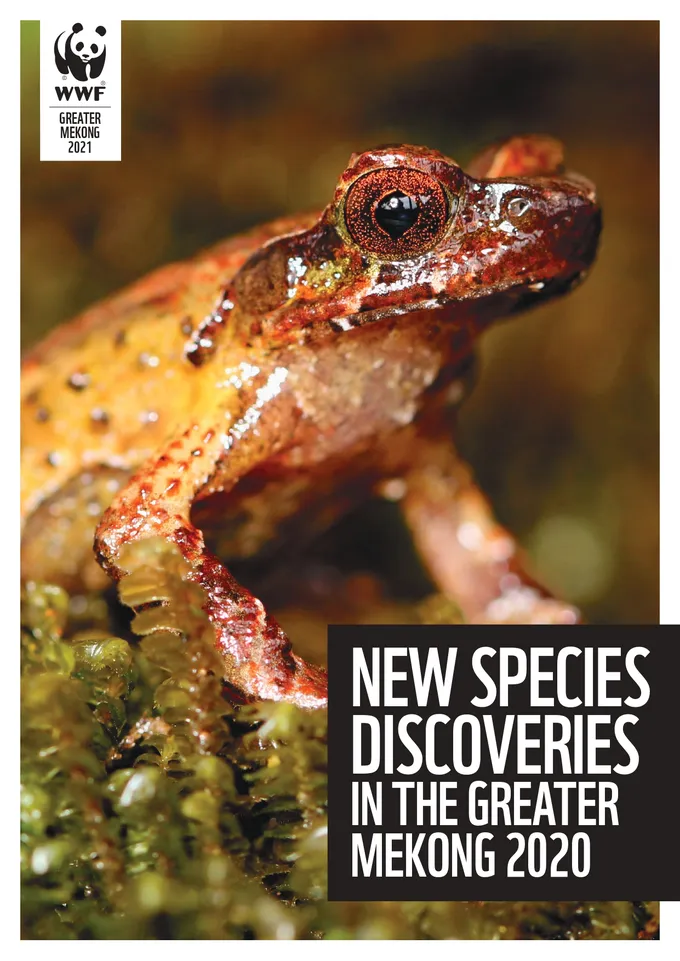
The Greater Mekong region is one of planet Earth‚'s most important biodiversity hotspots, highlighted by the endless number of new species discovered there every year. The region‚'s biodiversity richness is a result of its complex geological and climatic history, and its diverse landscapes, including extensive karstic regions. Only by using different methods, including comparing physical characteristics and performing molecular analyses, can researchers determine the true dimensions of this partly hidden biodiversity. High species richness and ongoing discovery rates also underscore the conservation importance of the Greater Mekong region and its unique inhabitants. To record this treasure trove of biodiversity before it is completely lost, we must accelerate our work and strengthen international cooperation. Greater support is required for local and early-career scientists and conservationists to establish and expand international collaborations, because such networks help to record biodiversity more quickly.
-
Strategic litigation has emerged as a crucial institutional space for contesting environmental and natural resource management (NRM) policies worldwide. In many contexts where conservation and NRM practitioners work, ineffective environmental regulations and the rule of law deficits have led to irreparable social and environmental damage, such as the diversion of scarce water from pressing local needs and the disruption of fragile ecosystems. Corruption has enabled this damage, undermining regulations and promoting impunity for violating laws or causing harm. This Brief surveys the history of the strategic litigation concept, explores the three trends that have emerged in its use, and closes with a set of anti-corruption lessons for conservation and NRM practitioners.
---
This content is made possible by the generous support of the American people through the United States Agency for International Development (USAID). The contents are the responsibility of World Wildlife Fund (WWF) and do not necessarily reflect the views of USAID, the United States Government, or individual TNRC consortium members.
-
Key Takeaways
- Corruption is a key enabler of the illegal wildlife trade and its effects are not widely understood. Reviewing past cases can offer a way to explore this relationship.
- While red flags of potential corruption were identified, the review of closed wildlife crime court cases alone was not sufficient to identify confirmed instances of corruption.
- To obtain useable information, court case reviews must be complemented with additional information obtained from press articles, relevant experts, and members of the criminal justice system. Specifically, these consultations can help ascertain the barriers that prevent the identification, investigation, and charging of corruption offences in wildlife crime court cases.
- Where feasible and appropriate, practitioners should consider partnering with relevant government agencies to ensure access to court records, and to feed back to those agencies any suspicions of corrupt practices worthy of further investigation.
---
This content is made possible by the generous support of the American people through the United States Agency for International Development (USAID). The contents are the responsibility of World Wildlife Fund (WWF) and do not necessarily reflect the views of USAID, the United States Government, or individual TNRC consortium members.