What is forest restoration?
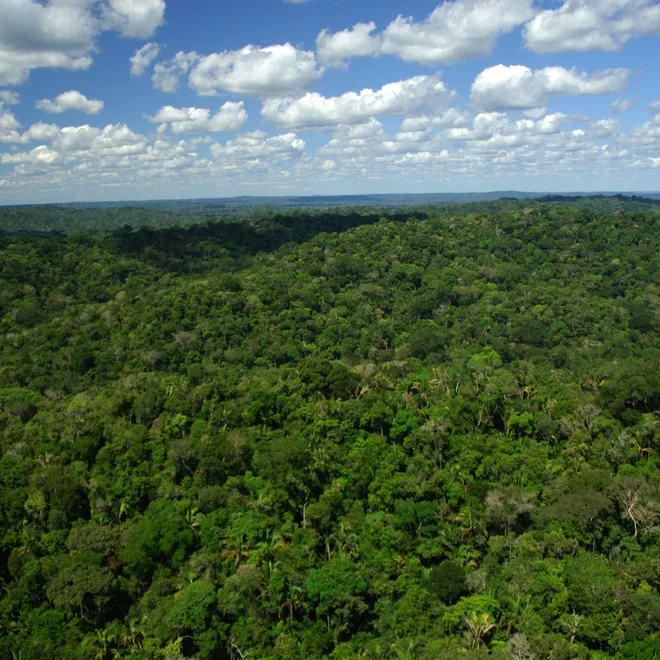
Forest restoration focuses on rebuilding healthy, functioning ecosystems that can thrive across generations—but it must also address the drivers that cause forest loss or degradation in the first place.
© Zig Koch / WWF
Key takeaways
- Restoring forests is more than just planting trees. It’s about restoring healthy, functioning landscapes.
- Every landscape is different. Forest restoration must integrate the needs of nature, the people who depend on it, and the challenges they face.
- Because forest restoration is complex, it requires collaboration between many diverse groups.
- Effectively addressing climate change, biodiversity loss, and land degradation will not be possible without forest and landscape restoration as part of the solution.
Forests support wildlife, regulate the climate, protect freshwater, and provide food and livelihoods for billions of people. Despite their importance, forests remain threatened, primarily due to deforestation and degradation driven by unsustainable agriculture, infrastructure designed without nature in mind, and climate change.
Forest restoration is one way to help these landscapes recover. While planting trees is often associated with restoration, restoring a forest is much more than simply putting seedlings or trees in the ground. It is a long-term process that helps forests and the lands they grow on regain the health and functions that people and nature depend on.
What is forest restoration?
Forest restoration is the process of helping degraded forests recover so they can once again meet the needs of the people and ecosystems that depend on them. Forest restoration often focuses on rebuilding healthy, functioning ecosystems that can thrive across generations. It also requires addressing the drivers that cause forest loss or degradation in the first place.
And, rather than dramatically changing how land is used, restoration often works within existing land uses to improve ecosystem health while continuing to support local livelihoods and communities.
© Jody MacDonald/WWF-US
© WWF-US/Franck Gazzola
Why is forest restoration important?
Addressing climate change, biodiversity loss, and land degradation on a global scale is not possible without forest restoration as part of the solution. Forests are among the planet’s most valuable natural systems. But when forests are removed or degraded, the benefits they provide for people, wildlife, and our climate disappear.
Restoring forests today is an investment in a healthier future, strengthening ecosystems, supporting communities, and helping forests continue to capture carbon, protect biodiversity, and build resilience in a changing climate.
How is forest restoration more than just planting trees?
Planting trees can be an important part of forest restoration, but restoring forests is about much more. It's about restoring forests as part of healthy, functioning landscapes that support wildlife, freshwater, local communities, and the many benefits forests provide.
Because every landscape has different needs, there is no one-size-fits-all approach to forest restoration. By tailoring restoration efforts to local conditions, WWF and its partners can help forests recover in ways that benefit wildlife, communities, and the climate.
Successful forest restoration may include:
- Protecting naturally regenerating forests by allowing forests to recover on their own where conditions are right and protecting them from further disturbance.
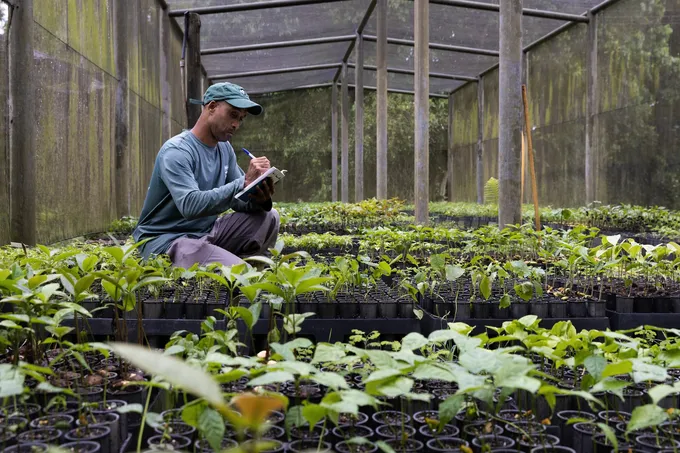
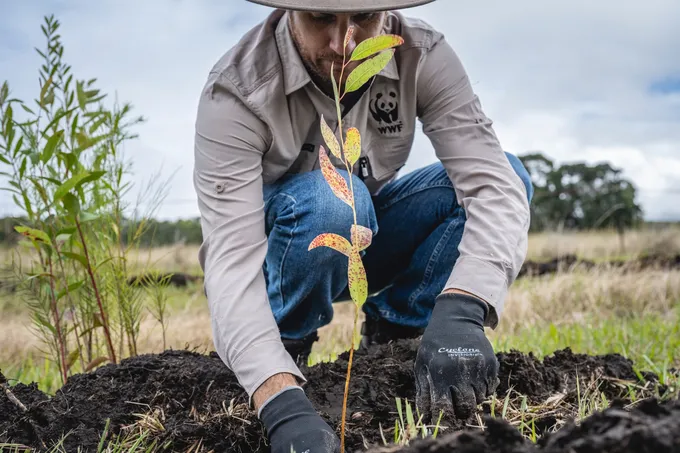
- Planting native tree species in areas where forests cannot recover naturally, selecting species that are best suited to the local ecosystem and the wildlife that depend on them.
- Restoring wildlife habitat by rebuilding forests in ways that provide food, shelter, and connected habitat for native species.
- Improving soil and watershed health by restoring vegetation to help stabilize soils, reduce erosion, improve water quality, and support healthy freshwater systems.
- Managing invasive species by removing plants that compete with native vegetation and prevent young forests from becoming established.
- Working with communities and companies to support sustainable land management by developing restoration approaches that complement local livelihoods and value chains while improving the health of the surrounding landscape.
For example, in Viet Nam, WWF is restoring habitat for Asian elephants by planting native tree species elephants naturally feed on while also restoring forests in landslide-prone areas using deep-rooted native species that help stabilize the soil. Restoration there also includes ongoing maintenance, such as removing invasive plants that can crowd out young native trees and slow forest recovery.
Who is involved in forest restoration?
No single organization can restore a landscape alone. Lasting forest restoration depends on collaboration among governments, Indigenous Peoples, local communities, landowners, businesses, scientists, conservation organizations, and many others. Each group brings valuable knowledge, perspectives, and expertise that help shape restoration efforts that are both environmentally and socially sustainable.
Forest restoration is not just a conservation exercise; it is a shared effort to understand different points of view and balance the needs of nature with the needs of people.
When should forest restoration begin?
The longer forests remain degraded, the harder it becomes for these landscapes to function. Wildlife habitat is lost, soil erodes or becomes less productive, freshwater and freshwater species are affected, and forests are less able to capture and store carbon. Over time, restoring these ecosystems becomes more complex and often more expensive.
That’s why acting early matters. Investing in restoration before degradation worsens can help protect the services forests provide while reducing the long-term environmental and economic costs of inaction.
Is forest restoration about bringing forests back to the way they used to be?
Not always. While forest restoration often aims to recover native ecosystems, it also requires looking ahead. Forests today face new challenges, including climate change, shifting weather patterns, and growing demands for food, water, and natural resources. Rather than simply recreating the past, restoration asks an important question: How can we help forests remain healthy and resilient for the future?
By understanding the drivers of forest loss, collaborating with communities and partners, and investing in long-term solutions, restoration helps forests recover in ways that benefit both people and nature now and in the future. When governments, businesses, conservation organizations, Indigenous Peoples, local communities, landowners, and many others work together, restoration becomes more than a conservation or management activity; it becomes an investment in healthier landscapes, stronger communities, and a more sustainable future.
To learn more about the benefits of forest and landscape restoration, check out the Food and Agriculture Organization of the United Nations' The State of the World's Forests 2026 report, which features contributions from WWF authors.
Author: Quincie Barber

© Adriano Gambarini / WWF-US