Why connectivity matters in a changing climate
As climate change reshapes habitats and resources, connected landscapes can help both wildlife and people adapt

© Aaron Gekoski / WWF-US
Key takeaways
- Climate change disrupts ecological connectivity by altering the availability of food, water, and habitat essential for wildlife survival.
- Restoring ecosystems helps maintain connected landscapes, providing wildlife with the resources and movement routes needed to adapt.
- Connectivity and coexistence are closely linked. Supporting communities in adapting to climate change can reduce human-wildlife conflict and make shared landscapes safer for wildlife movement.
For wildlife to thrive, they need ecological connectivity, a protected pathway between habitats that enable free movement to access food, water, shelter, and other resources.
However, human development isn’t the only threat to connectivity. Climate change is adding another layer of pressure by creating extreme and unpredictable conditions. Drought, shifting rainfall patterns, extreme heat, wildfires, and flooding are impacting the availability of these critical resources.
That’s why connectivity is so important, enabling wildlife to move to and through places that can meet their needs. This also means less competition, and therefore potential for conflict, with people who also rely on these same resources for survival.
Connectivity means building resilience across the landscapes people and wildlife share, so both have greater opportunities to adapt to the changes ahead. So how can we keep landscapes connected as climate change alters them?
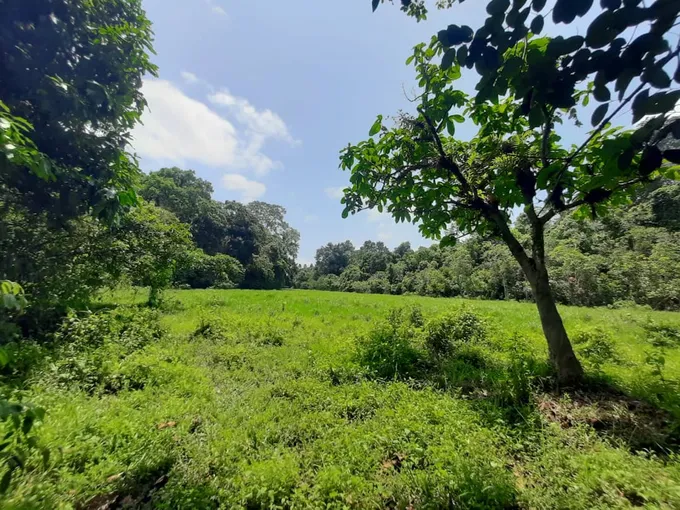
© WWF Bhutan
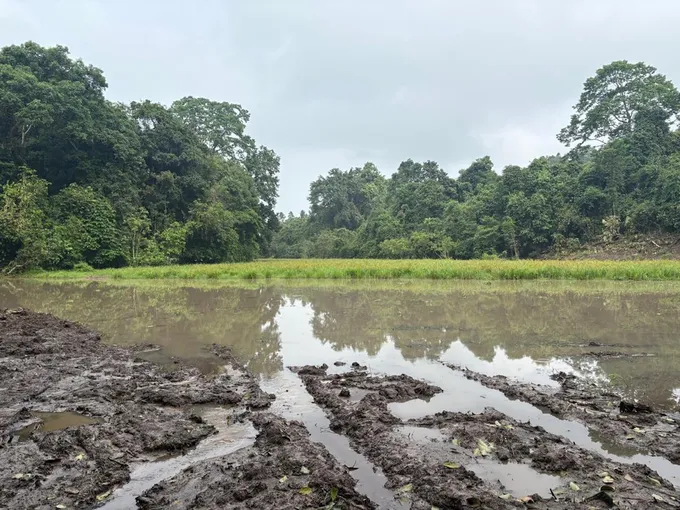
© WWF Bhutan
Restoring the resources that connect landscapes
Through initiatives including Climate Crowd and the Wildlife Adaptation Innovation Fund, WWF and partners are working to develop locally driven approaches that help wildlife and communities adapt to changing climate conditions.
Near the border of India in southeastern Bhutan’s Jomotsangkha Wildlife Sanctuary, drought, flooding, erosion, and drying water sources are degrading freshwater habitats relied on by both wildlife and surrounding communities. Efforts to restore the Seven Sister Lakes, revive native vegetation, and improve water access are helping rebuild an interconnected freshwater system. These restored habitats can provide more reliable water and foraging opportunities for Asian elephants, tigers, gaur, leopards, sambar deer, and other wildlife moving through the landscape.
In northern Kenya, similar impacts from drought and changing seasonality of rainfall are degrading grasslands within an important movement corridor for endangered Grevy's zebras. Semi-circular bunds (low earthen structures that capture rainfall and runoff), native grass seeding, and gully restoration are helping restore habitat and forage within the corridor, while reducing competition for resources between zebras and livestock.
Together, these projects demonstrate that ecological connectivity depends not only on where wildlife can move, but also on the resources and habitat available along the way.
Making room for wildlife and people
Climate change doesn't just affect wildlife. The same impacts and declining natural resources that affect wildlife also threaten crops, livestock, water supplies, and livelihoods that people depend on. When people and wildlife are under pressure simultaneously, competition for limited resources can increase.
Drought and extreme heat in Peru's Madre de Dios region are intensifying water scarcity and degrading pastures. This is bringing jaguars into greater contact with livestock and increasing the risk of human-wildlife conflict. The work is reforesting 30 acres of degraded riparian area with 5,000 native seedlings while livestock fencing and improved water management is reducing opportunities for conflict.
In landscapes shared by people and wildlife, maintaining connectivity also means making wildlife movement safer. Helping communities protect crops, livestock, and livelihoods can reduce conflict and make it easier for people and wildlife to coexist across connected landscapes.

© WWF Peru
Connected landscapes are resilient landscapes
From lakes in Bhutan to grasslands in Kenya and waterways in Peru, these projects respond to different climate challenges with a shared principle: Wildlife need healthy, connected landscapes to adapt to changing conditions. Restoring ecosystems, maintaining movement routes, and supporting climate-resilient communities can help keep those connections intact.
WWF is helping put these approaches into action and showing how climate adaptation can also strengthen connectivity and coexistence—restoring the resources wildlife depend on while helping communities navigate many of the same climate pressures.

© WWF-Peru