© Conservation Media / WWF-US
Prairie dog
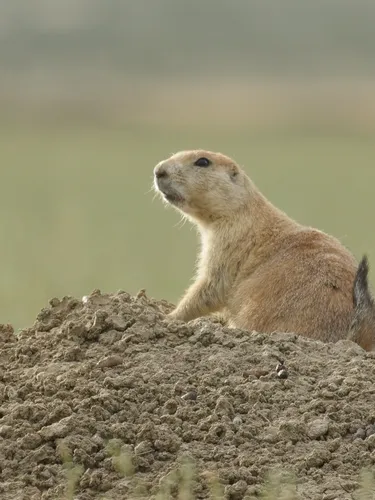
Prairie dogs are a keystone species endemic to North American grasslands. The name “dog” comes from the distinct warning barks they use when sensing danger, but they are actually burrowing rodents in the squirrel family. The black-tailed prairie dog is the most common, but there are also four other species: the Mexican, white-tailed, Utah, and Gunnison’s.
These furry, tiny-eared, round rodents are known as North America’s ecosystem engineers, digging extensive burrows 7–15 ft. deep, clusters of which are known as ‘colonies’ or ‘dog towns.’ They are also highly sociable creatures, with an elaborate communication system made up of postures and sophisticated vocal calls; some researchers even consider it a language. Prairie dogs can describe specific threats such as humans, hawks, and coyotes by their size, shape, and color.
Prairie dog facts
- Weight
- 0.6–4.4 lbs.
- Length
- 9.8–17 in.
News and stories

Why prairie dogs matter
© Shutterstock / Tony LePrieur Photography
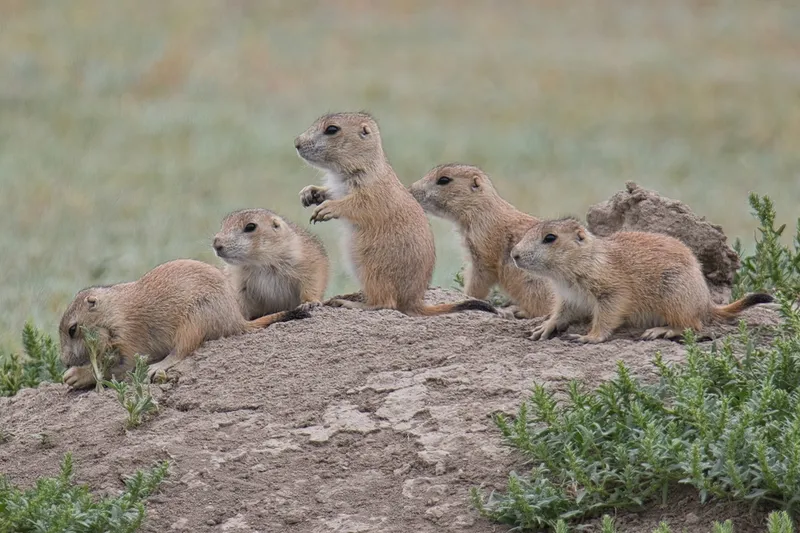
As a keystone species, prairie dogs play a disproportionately large role in their ecosystem that positively influences many other plant and wildlife species. Their elaborate colonies increase soil fertility and provide living space and refuge for a range of species from spiders to snakes to burrowing owls. Predators and scavengers such as North America’s most endangered mammal, the black-footed ferret, also rely on prairie dogs for sustenance, highlighting their important role in the food chain. Over 100 vertebrates have been documented using prairie dog colonies, offering a glimpse into how many species are associated with the presence of this grassland specialist.
Threats to prairie dogs

© Day's Edge / WWF-US
Despite their undeniable ecological importance, prairie dog populations across North America have faced significant decline. Today, prairie dogs occupy less than 2% of their historic habitat due to threats including non-native disease, habitat loss, human persecution, and climate change.
Sylvatic plague
Plague is a non-native, flea-borne, bacterial disease that can rapidly spread through entire colonies, causing death rates of 90% or more during outbreaks. While plague is primarily spread through infected fleas, prairie dogs can also be infected by direct contact with other infected animals.
Habitat loss
Agricultural and urban development across the Great Plains significantly reduces the abundance and distribution of prairie dogs. As natural space available for colonies shrinks, populations face fragmentation, and fewer of the large colonies that historically supported a wide variety of biodiversity remain throughout their range.
Human conflict
Prairie dogs can sometimes be considered incompatible with agricultural practices, and widespread human persecution has therefore taken its toll. In the early 1900s, large-scale government poisoning campaigns decimated prairie dog populations. Today, lethal control remains a threat where livestock and row-crop farming occur.
Climate change
Rising temperatures and reduced rainfall are making the southern edges of prairie dog ranges, such as those in Texas and Arizona, too hot and dry for survival, causing populations to shift northward. Generally, drought conditions are becoming more frequent throughout prairie dog ranges. Warmer conditions also favor fleas carrying the plague bacteria, and longer, harsher droughts reduce the vegetation prairie dogs depend on, limiting survival and reproduction and compounding pressure on already stressed populations.
Climate change is also causing harsher winter conditions. Although black‑tailed prairie dogs don’t fully hibernate, they do enter periods of torpor, which means they still need to bulk up and stockpile food before winter sets in. Because of this, they depend on plenty of vegetation year-round, especially in spring and early summer, when pups are born. When drought lingers, females head into winter underweight and may not have pups at all. If winter lasts longer than usual and spring rains don’t arrive, many prairie dogs simply starve, leaving them even more vulnerable to plague.
How WWF is taking action to protect prairie dogs

© Conservation Media / WWF-US
Monitoring colonies
WWF supports annual surveys of prairie dog populations across multiple sites. Along with partners who are caring for prairie dog and black-footed ferret populations, WWF helps map the size of prairie dog colonies using GPS units and estimates the acreage of active prairie dog colonies. This data helps assess the health of prairie dog populations over time, catching potential problems early.
Disease mitigation
Because sylvatic plague remains the most severe biological threat to prairie dogs, WWF supports efforts to reduce its impact through targeted treatments, including insecticidal flea dusting, fipronil-laced grain, and edible baits called “FipBits.” When consumed by a prairie dog, FipBits protect individuals for up to one year. To deliver FipBits to the thousands of prairie dogs in a colony, WWF and partners developed a “triple-shooter” that distributes three FipBits simultaneously from an all-terrain vehicle or drone.

© Conservation Media / WWF-US
Promoting coexistence
Despite historical human conflicts between agricultural practices and prairie dogs, WWF prioritizes partnerships to further conservation and implement collaborative solutions. WWF works with Native Nations, land managers, ranchers, and rural community members to find practical ways for people and prairie dogs to share the landscape. While there are no one-size-fits-all approaches, WWF works closely with partners to understand the challenges and opportunities for advancing site-specific efforts.
Protecting grassland habitats
WWF is also working to protect prairie dog habitat: America’s grasslands. As a leading partner in the America's Grasslands Coalition, WWF and partners are helping raise public awareness of grasslands as one of America's largest and least-recognized vital ecosystems. Since grasslands are the primary habitat prairie dogs depend on, this advocacy work indirectly supports prairie dog conservation by building broader public and political will to protect the landscape itself.
How you can help
© WWF-US/Alexander Nicolas
Adopt a prairie dog
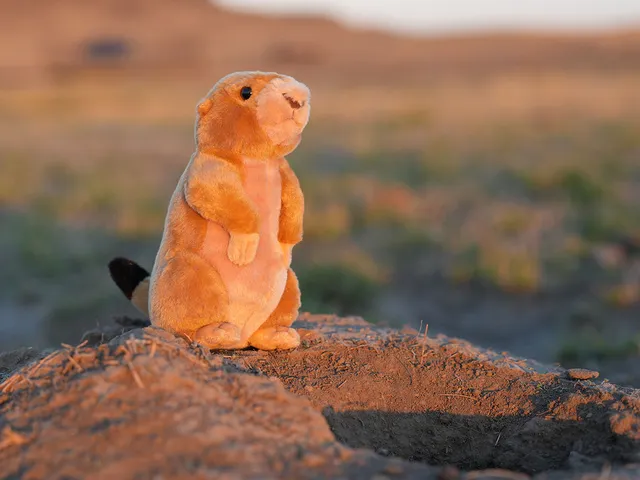
Support WWF’s global efforts to protect wild animals and their habitats and choose from kits with plush and more.