Conservationist Emmy Scott on how local-level actions can spark lasting change

© iStock.com/Damocean
Long before Emmy Scott became a leader in conservation, her grandfather introduced her to the natural world around Phoenix, Arizona, taking her to feed horses at a local farm, hike desert trails, and camp outdoors. Near home, they picked fruit from the family’s citrus tree and sipped from freshwater springs. But as the city grew more developed, she watched farms close, trails change, and springs become polluted—an early lesson about the threats facing the environment.
That awareness deepened in high school, where she learned about the flaws in industrial food systems and began advocating for systemic change. By the time she enrolled at the University of Northern Colorado, she had decided to study environmental sustainability and business management. There, she found community with Earth Guardians, a global nonprofit that trains and supports young people to lead local climate justice solutions.

© Courtesy of Emmy Scott
EMMY SCOTT
HOME Phoenix, AZ
CAUSE Connecting young conservationists to the environmental movement
On campus, Scott joined an Earth Guardians Crew—one of the organization’s local chapters—and quickly began spearheading projects. The group planted trees, built a community garden, and pushed for better health protections around fossil fuel extraction projects.
After graduating, she joined the staff of Earth Guardians, serving as its financial and operations director before becoming, at 23, its youngest executive director. Today, she co-leads a network of more than 100 youth-led Crews in 61 countries, work that earned her WWF’s 2025 Youth Conservation Leadership Award.
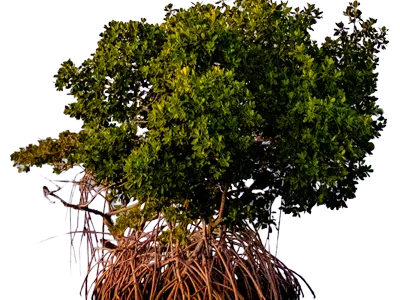
Among Scott’s proudest achievements is a mangrove conservation initiative with Earth Guardians’ chapter in Sierra Leone, which has lost nearly one-quarter of its mangrove forests since 1990.
In 2025, the program planted more than 150,000 mangrove trees on Bonthe Sherbro Island and trained 286 community members in climate leadership. It also introduced beekeeping, including establishing more than 300 hives to improve the island’s economy and provide alternative income for local people.
“Fixing the climate crisis will never be up to one person or one group—it’s going to take a collective,” she says. “It starts with recognizing that we’re all environmentalists.” Working locally helps people discover their own unique role in that shared effort, she says.
Scott practices what she preaches. In 2026, she planted a small garden at her home in Phoenix to revive the urban nature that first inspired her. The plot’s first plant, a young pomegranate tree, is already bearing fruit.
© Sara Germain/USFWS
Explore more
Keep reading this issue of World Wildlife magazine