Why protecting the Yucatán matters
WWF President & CEO on the Yucatán's history, culture, geology, and biodiversity conservation

I’ve always been fascinated by the dirt and what you could find in it. My parents’ house was located near the heart of a Civil War battlefield in Atlanta. After a heavy rain, I would find musket balls from the Battle of Peachtree Creek perched atop little columns of Georgia red clay. I would roll over logs and find salamanders and other creatures slithering in the rich soil. I realized the ground was a tangible record of a place—how it came to be, what it endured—and that the surface beneath our feet had stories to tell if we knew how to listen.
The Yucatán Peninsula is one of those places. It’s where a massive meteorite ended the age of dinosaurs, but it’s also a living, breathing landscape. The Yucatán is a karst landscape, underlain by layers of limestone and hollowed out by underground rivers. Ebbing and flowing, they shape not just the plants, the trees, the animals, and the nature of the place, but also the culture of civilizations—from the Maya to the present day.

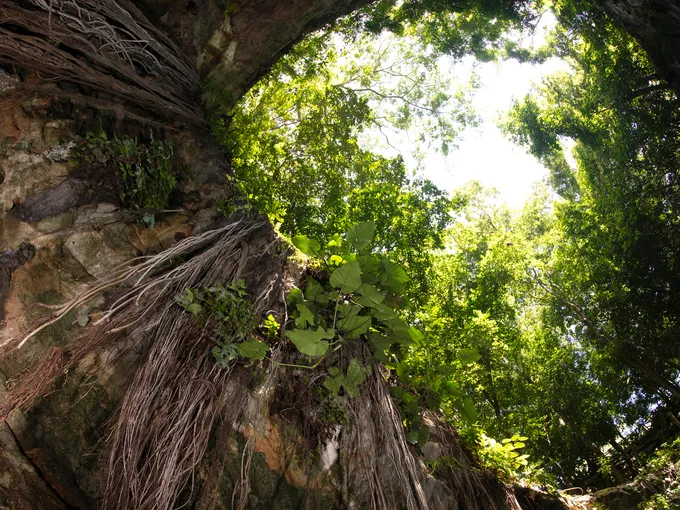
© WWF-US/Alejandro Prieto
Wander the terrain and you’ll come across one of thousands of cenotes—luminous blue pools of water that are connected to a vast system of underground rivers—formed by the collapse of porous limestone bedrock. The Maya considered cenotes portals to the underworld and the home of the rain god, and they played a major role in the mythology of that civilization. The limestone itself supported a very thin overlayer of dirt and soil on which all manner of trees and forest have grown and then disappeared through centuries of exploitation.
The Yucatán came to be the center of the world’s production of sisal, the rough, heavy fiber derived from the leaves of the Mexican agave plant that made the region one of the economic powers of the world at the time. Today the fiber is finding a renewed relevance as an eco-friendly alternative to synthetic materials.
You can now explore early Maya observatories and the ruins of agricultural—sisal and sugar—plantations where wealthy overseers built their fortunes in global exports. The plantations also operated as forced labor camps for enslaved Mayan people.
In the pages of this magazine, you will find a story of conservation that runs deep into the history, culture, geology, and biodiversity of the Yucatán. It’s about the conservation of the mangroves and the forests, and the restoration of the connection between the people of this place and the ecosystem in which they live.
This type of conservation is like a pebble dropped in a pond—or, if you will, a cenote. It starts at the center with local leadership and expands outward to embrace more people, more governments, and more partners. It ripples further out to inform the potential of nature-based solutions and durable financing. All in service of the ultimate goal: to help ensure this iconic landscape is protected in perpetuity, in a manner that benefits local communities and ensures cultural identity and nature continue to sustain each other.
Carter Roberts
President & CEO, WWF-US
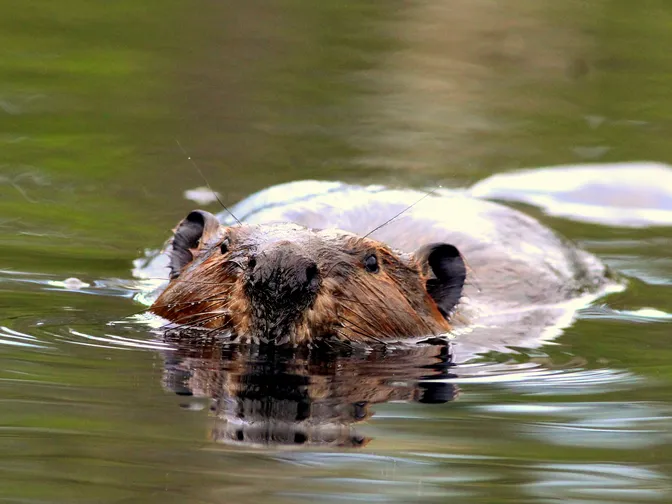
© Sara Germain/USFWS
Explore more
Keep reading this issue of World Wildlife magazine