How WWF is helping countries build greener infrastructure
WWF and partners are advancing a new model for infrastructure that meets societal needs while safeguarding vital ecosystems and biodiversity. GRID is one of the latest collaborations.

© Bogdan Wańkowicz/Alamy Stock Photo
Roads are integral to modern life, connecting people and facilitating access to goods and services. But when transportation plans and policies don’t account for nature, roads and other infrastructure can slice through wildlife habitats, isolate communities, accelerate deforestation, and increase climate risks—often irreversibly. Sometimes, governments and institutions lack the capacity to plan for and pursue more sustainable alternatives.
© WWF
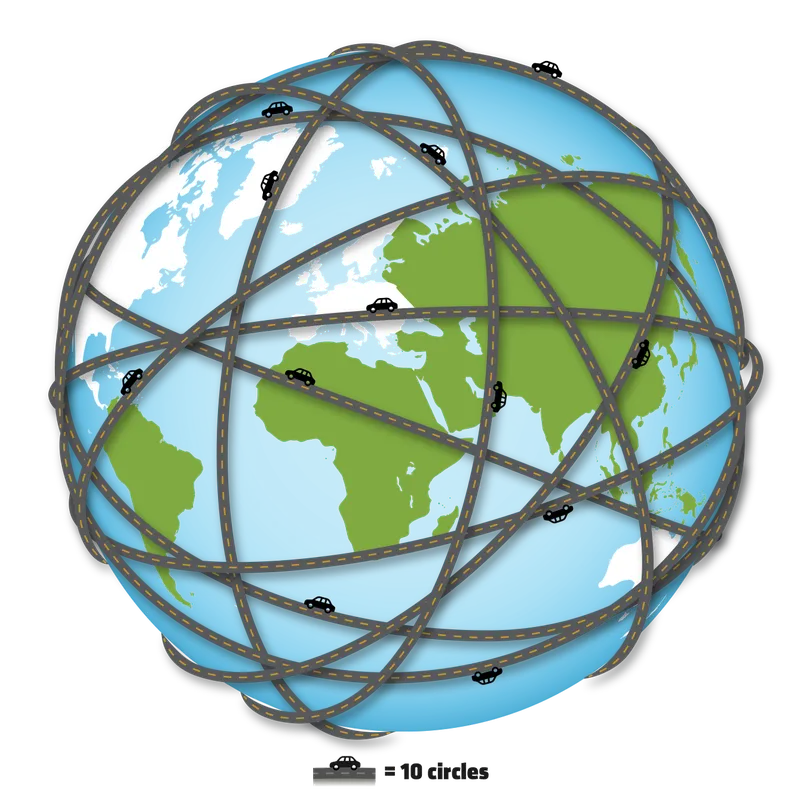
By 2050, nearly 3 million miles of new roads could be developed—enough to circle the Earth 120 times*
*According to a 2018 study, “Global Patterns of Current and Future Road Infrastructure,” in Environmental Research Letters by Meijer et al.
That’s the challenge WWF—together with the Asian Development Bank and the United Nations Environment Programme—is tackling through the Greening Transportation Infrastructure Development (GRID) Integrated Program. Backed by $27 million from the Global Environment Facility and an additional $409 million in cofinancing, GRID aims to advance nature-friendly approaches to the planning and design of transportation projects that can better protect wildlife and ecosystems while supporting local communities.
The program works globally and in partnership with national governments in five countries—Malaysia, Nepal, the Philippines, Suriname, and Ukraine—where transportation infrastructure is expanding rapidly.
By sharing data, technical expertise, and best practices, GRID equips policymakers, infrastructure planners, engineers, investors, and others with tools and resources to help ensure biodiversity and ecosystems are considered during every stage of infrastructure development—shaping a future where transportation systems work for both people and nature.
Much of the infrastructure expansion is projected to occur in Africa, Asia, and South America—including in some of the world’s last remaining wild places.

© Juozas Cernius / WWF-UK
Explore more
Keep reading this issue of World Wildlife magazine