What's next for WWF’s conservation priorities before Congress
Lawmakers can enact practical, bipartisan solutions to protect nature now, even during the transition to a new Congress

© Shutterstock / Andrea Izzotti
After this week’s elections, the makeup of Congress will be changing in January 2027. But the challenges facing people and nature remain.
WWF has worked for more than 60 years with lawmakers of both parties to protect nature in the United States and globally. Finding common ground on practical solutions to conserve our environment will continue to be essential, regardless of who is in leadership. Americans strongly believe nature plays a vital role in their lives and that it urgently needs protection.
Lawmakers have an opportunity to protect nature now, even during the transition to a new Congress. As they return to Washington to complete this year’s session, WWF urges passage of bipartisan legislation that would protect vulnerable wildlife, including bison, America’s national mammal; conserve grasslands, one of the world’s most productive food-growing regions; reduce food loss and waste; advance practical solutions to reduce plastic pollution; make roads safer for people and animals alike; and safeguard the water that keeps our lives flowing.
What we need now is for Congress to act at the speed and scale this moment demands. Because we need nature. And nature needs us. Now.
Defend and strengthen laws that preserve nature
Over the coming weeks, Congress is expected to consider a bipartisan bill that would streamline federal permitting approvals for new energy infrastructure.
We need to build the infrastructure required for clean energy that will reduce climate pollution. We also need to maintain the integrity of our bedrock environmental laws – including the Endangered Species Act, Clean Water Act, National Historic Preservation Act, and National Environmental Policy Act – that safeguard America's lands, waters, and wildlife and the communities that depend on them. WWF believes we do not need to sacrifice one to accomplish the other. In fact, we need to do both if we are going to preserve a planet worth living on.
WWF appreciates the determined bipartisan effort on this legislation and stands ready to work with partners in Congress to achieve the legislative outcome that is ultimately needed for both people and nature.
Congress also faces a deadline to keep the federal government funded past Dec. 11, including programs that invest in conservation globally and help stop the illegal trade and overexploitation of wildlife, timber, and fish.
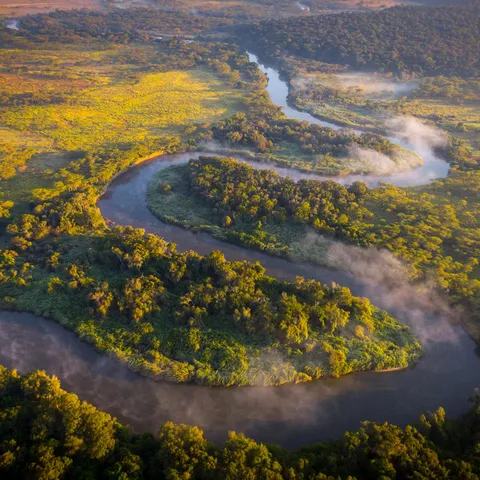
WWF's recently released Living Planet Report shows that wildlife populations have declined by a staggering 73% on average since 1970. But the report also shows that species recovery is possible when governments – including the US – responsibly cultivate natural resources and protect key ecosystems.
Tell Congress: Invest in nature now
We have the power to reverse biodiversity loss if we invest in nature now.
© Jasper Doest / WWF
Protect America's grasslands
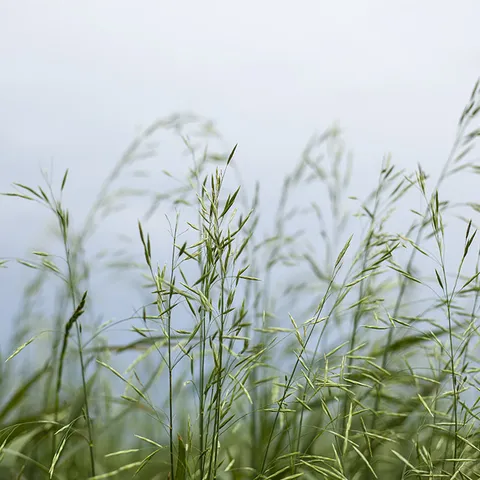
America’s Great Plains grasslands are a natural treasure. They anchor one of the world’s most productive food-growing regions, safeguard freshwater supplies, and support wildlife habitats.
But these vital ecosystems are disappearing fast. World Wildlife Fund’s recently released Plowprint Report found that about 1.8 million acres of North America's grasslands were converted to cropland in 2023 alone. That's nearly 5,000 acres of North America's remaining ranch lands and wildlife habitat plowed over each day.
As Congress considers a renewal of the Farm Bill, which sets rules and incentives for agriculture practices across the United States, lawmakers should support bipartisan legislation to expand Department of Agriculture programs that help farmers and ranchers adopt conservation measures.
Tell Congress: Protect America’s grasslands
Tell Congress to secure America’s grasslands for future generations with bipartisan policies that would help keep grasslands intact.
© WWF-US / Emily Vandenbosch
Restore America's national mammal to the Great Plains
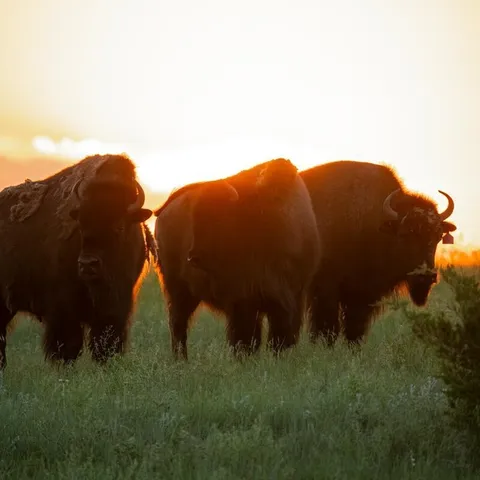
This year marks the 10th anniversary of the American bison, also known as buffalo, becoming the national mammal of the United States. The Indian Buffalo Management Act would strengthen federal support for Tribal Nations’ work to bring buffalo back from the brink of extinction.
The House Natural Resources Committee unanimously advanced the Indian Buffalo Management Act in September, which the Senate also passed in 2024. Now is the time to enact this important measure to help Tribes restore our national mammal, which is integral to our shared history and our shared future.
Tell Congress: Support buffalo restoration
The Indian Buffalo Management Act would strengthen federal support for Tribal Nations’ work to bring buffalo back from the brink of extinction. Tell Congress to support this bipartisan legislation that would help restore our national mammal.
© WWF-US/Clay Bolt
Strengthen America's water security
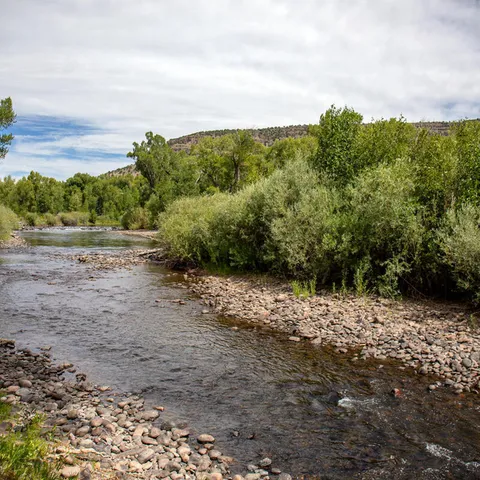
Across the Great Plains, communities are experiencing increasingly severe droughts and floods, while iconic rivers such as the Rio Grande are running dry for longer periods as water supplies become more strained.
The House in September passed the Water Resources Development Act with important provisions that strengthen support for habitat restoration, drought resilience, and sustainable water management in the Rio Grande Basin. Both chambers of Congress should finalize the Water Resources Development Act before year's end to strengthen our nation's water security while helping communities adapt to growing water supply challenges.
Tell Congress: Save rivers, lakes, and wetlands
Ask your Members of Congress to support robust funding for critical freshwater conservation programs and to strengthen investments in the Water Resources Development Act.
© WWF-US/Diana Cervantes
Enact practical solutions to plastic pollution
Plastic pollution is on track to double by 2040. In the US alone, it is estimated that over 42 million metric tons is produced every year—only 8.7% of which is recycled. Our current waste management and recycling infrastructure isn’t up to the task, which is why we need to adopt practical solutions to expand and improve recycling infrastructure and the ability of communities to access it, regardless of where they live. We also need better data to inform recycling solutions, so we can ensure they are hitting their marks.
The bipartisan STEWARD Act would address both of these issues and is ready to be enacted into law. It unanimously passed the Senate and was favorably reported out of committee in the House. Congress should get the job done and ensure it lands on the President’s desk before the end of the year.
Reduce food loss and waste
More than 30% of food in the United States ends up in the trash instead of feeding people. Food loss and waste depletes key water, soil, and energy resources while driving up costs for households and businesses.
Right now, there's no coordinated national strategy to tackle this massive problem that hits both our wallets and our environment. Two bipartisan bills would help change that.
The Food Date Labeling Act would give manufacturers the option to select between only two standardized labels if they opt to include a date label on their product: “best if used by” or “use by.” The NO TIME TO Waste Act would strengthen federal research about food loss and waste and launch a national public awareness campaign.

Tell Congress: There’s no time for food waste
Take two minutes to tell your representatives to support two common-sense bills in Congress. Your voice matters — and on an issue this clear-cut — Congress needs to hear that Americans are ready for action.
© Olga Rolenko/Moment RF/Getty Images
Make roads safer for everyone
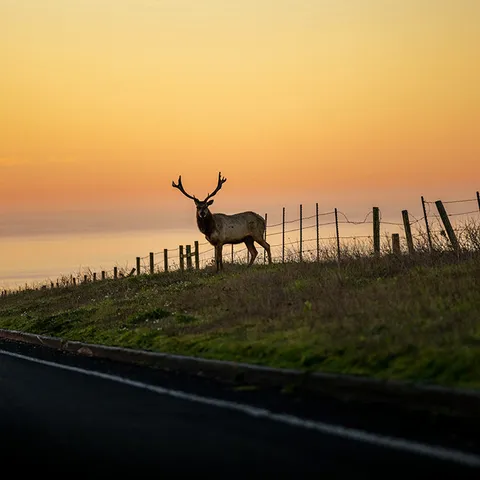
Every year, drivers collide with large animals like deer, elk, and pronghorn more than 1 million times across the United States. These crashes cause more than 400 human deaths and more than 59,000 injuries.
There is a lifesaving solution to keep animals off busy roads: wildlife crossings.
The highly successful Wildlife Crossings Program launched in 2021 has provided grant funding to state and Tribal governments for building structures like overpasses, underpasses, and fencing that animals on the move can use instead. Wildlife-vehicle collisions have dropped significantly in places where these crossings have been built. But the program is only set to last through 2026.
Congress is expected to vote in the coming weeks on an extension of surface transportation programs before they expire in December. WWF urges lawmakers to include the Wildlife Road Crossings Program Reauthorization Act to permanently renew this successful program and save lives.
Tell Congress: Keep wildlife safe from busy roads
Tell Congress to support the Wildlife Road Crossings Program Reauthorization Act. This bipartisan legislation would extend a highly successful program that has provided funding for the construction of wildlife road crossings such as overpasses and tunnels.
© Leo_Visions on Unsplash