The Farm Bill

© WWF-US/Ashleigh Coleman
American agriculture feeds hundreds of millions of people in the United States and around the world. Congress has an important opportunity to make key improvements to the policies that shape how we cultivate our lands and secure our food supply.
The Farm Bill—which sets rules and incentives for agriculture practices across the United States—is a critical way to strengthen how food is produced so that it keeps people healthy, protects wildlife and key ecosystems, and boosts economic competitiveness.
What WWF supports in the Farm Bill
America's grasslands anchor one of the world's most productive food-growing regions and are home to a rich array of wildlife. Yet millions of acres of grasslands are plowed up for crops each year, which has led to a sharp decline in wildlife populations and threatens this key ecosystem’s economic, social, and ecological benefits.
And too often, the strain on lands used for agriculture is effectively all for nothing. More than a third of all food in the United States goes to waste instead of feeding people.
The Farm Bill offers a chance to keep our grasslands intact and to support the ranchers who steward them. WWF urges Congress to:
- Strengthen the Conservation Reserve Program (CRP) that helps farmers and ranchers adopt conservation practices. The nation’s largest working lands conservation program helps landowners shift environmentally sensitive acres into conservation cover, which improves soil health, water quality, and wildlife habitat. Congress should further improve CRP by increasing payment caps to keep up with inflation, enhancing opportunities to restore marginal lands to be managed for sustainable grazing, and prioritizing Grasslands Conservation Reserve Program enrollments that will bolster conservation outcomes for grasslands most.
- Conserve more grasslands while saving taxpayers money. Active in six states today, the Sodsaver program reduces federal crop insurance subsidies on newly converted native prairie, which helps discourage the plow-up of highly erodible lands. Strengthening this program and expanding it nationwide would reduce taxpayer costs, protect sensitive ecosystems, and lower the business risks of farming in unsuitable areas.
- Expand conservation program staffing and accessibility. Adequate resources for effectively trained agency staff and partners to implement these programs ensure that our nation's farmers and ranchers of all sizes can participate effectively – and that conservation is delivered to the farm and the ranch.
- Support policies to reduce food loss and waste. Producing wasted food consumes around 20% of all freshwater and cropland per year. The Farm Bill should expand grants and research to prevent waste on farms and post-harvest; support clearer food expiration date labeling so more people know what is still good to eat instead of needlessly throwing it in the trash; and improve data collection to track progress toward national food waste reduction goals.
- Strengthen basic protections for people and pollinators. The Farm Bill should ensure that pesticide regulations better support safe conditions for farmers and healthy ecosystems for pollinators like bumblebees and monarch butterflies.

© WWF-US / Keith Arnold
What's in the 2026 Farm Bill so far
Lawmakers have repeatedly extended Farm Bill programs on a short-term basis in recent years. The next deadline is at the end of September 2026, which means now is an important time to shape this debate happening in Congress.
In April 2026, WWF supporters and staff from across the country met with more than 95 congressional offices to ask for support of bipartisan legislation that would protect America’s grasslands, including the Conservation Reserve Program Improvement and Flexibility Act.
Since then, more than 10,000 WWF supporters have urged Congress to include conservation protections in the Farm Bill. Here's how the Farm Bill has developed in Congress so far and what you can do to help encourage your representatives to support stronger policies.
The House Farm Bill
The Farm Bill that the House ultimately passed fell short of what is needed to promote agricultural conservation practices, support farmers and ranchers, and help them protect the environment.
But it did include measures that would require composting to be designated as a conservation practice under existing agriculture programs and make food waste a research priority at the Department of Agriculture, which are meaningful steps to help reduce food loss and waste on farms. It would also strengthen the Conservative Reserve Program by helping farmers and landowners restore habitat for wildlife populations.
Additionally, the House voted on a bipartisan basis to strip provisions from the bill that would have prevented state governments from further regulating pesticides and protected pesticide manufacturers from lawsuits. This underscores the public support for protecting pollinators and promoting healthy working conditions on farms.
The Senate Farm Bill
The Senate Farm Bill has stalled in committee due to a lack of bipartisan support. Lawmakers should come together to strengthen, not weaken, commonsense conservation measures.
The proposed Senate bill currently contains some enhancements to the Conservation Reserve Program. It would boost incentives for farmers and ranchers to remove environmentally sensitive land from production, enhance opportunities to restore marginal lands that can be managed by sustainable grazing, and make permanent an initiative that encourages growing native plants for wildlife habitat.
However, during the recent Senate Agriculture Committee debate about the Farm Bill, lawmakers voted to include a harmful provision that would direct the US Forest Service to adopt more severe limitations on prairie dog habitat in certain national grasslands. This change would significantly harm efforts to recover black-footed ferrets, an endangered species that is entirely dependent on prairie dogs for food and habitat.
Moreover, the Senate proposal does not restore funding for the Department of Agriculture's Environmental Quality Incentives and Conservation Stewardship programs that help farmers, ranchers, and forest landowners integrate conservation practices into working lands. It also does not include the food loss and waste reduction measure in the House legislation that would promote composting.
Neither Farm Bill proposed by the House nor Senate currently includes a nationwide expansion of the Sodsaver program, which would provide needed protection for native grasslands by reducing federal insurance subsidies on prairie converted to cropland.
What's next
The Farm Bill deliberations have so far led to some positive measures that would improve agriculture practices. But Congress should do much more to protect America's grasslands; support farmers, ranchers, and forest owners; and reduce food loss and waste.
Thanks to action by nearly 200,000 WWF supporters, the 2018 Farm Bill included funding for robust programs that help farmers keep natural habitats intact and better protect water, soil, biodiversity, and other natural resources on working lands.
Congress needs to hear from you. Tell your representatives now to support legislation that would protect America's grasslands, support farmers and ranchers, and reduce food loss and waste:
© WWF-US / Emily Vandenbosch
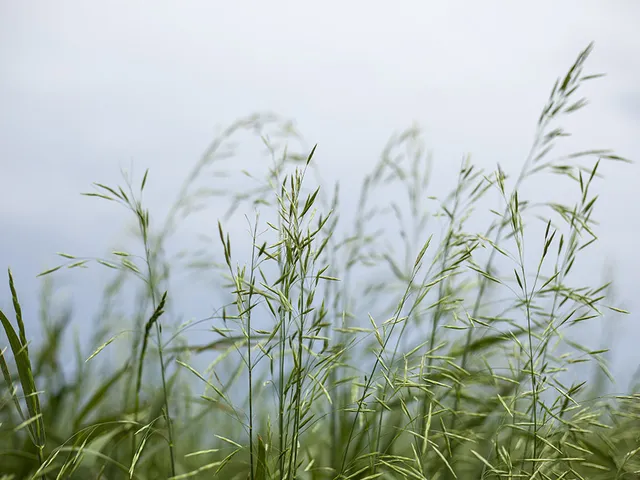
Ask Congress: Protect America's Grasslands
Tell Congress to secure America’s grasslands for future generations with bipartisan policies that would help keep grasslands intact.
© Shutterstock
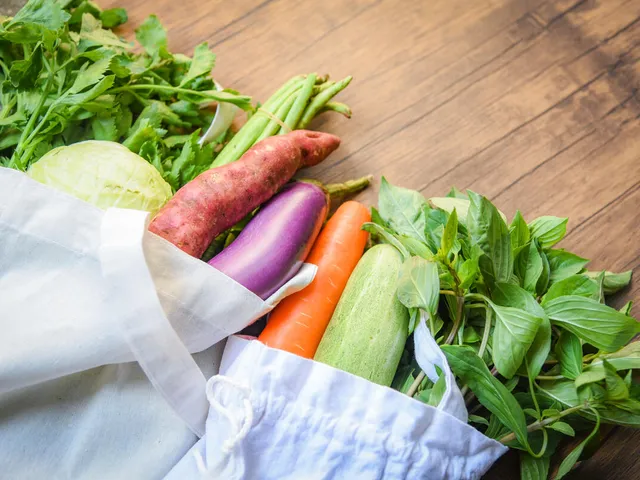
Help stop food waste
Every year, we throw away over 30% of our food—wasting the water, soil, and energy used to produce it while driving up grocery bills. Tell your representatives to support two common-sense bills in Congress.

© Day's Edge / WWF-US