How tracking wildlife with collars helps animals—and people
Wildlife collars are fetching...data
© Danielle Brigida / WWF-US
In 2021, a spotted hyena named SH2 traveled over 4,000 miles in nine months, crisscrossing Namibia in one of the longest documented movements of any carnivore on Earth. We know this because he was wearing a GPS tracking collar.
Collaring data answers some important questions while generating new ones. In fact, this kind of data continues to help us guide policies, identify wildlife movement corridors, and offer recommendations to make our landscapes more welcoming for wildlife. Collars make coexistence possible.
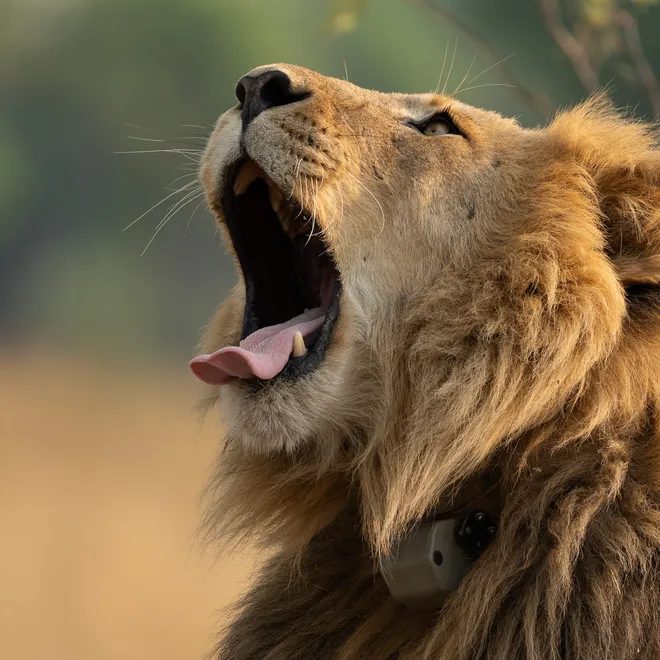
I found myself reflecting on this recently, while in Botswana, scanning the horizon for lions in the early afternoon. We were tracking a collared female with her cubs, and when our vehicle finally slowed at the edge of some tall vegetation, there they were—with the collared female stretched out, collar in full view.

© Danielle Brigida / WWF-US
Even knowing beforehand that she was collared, it was, at first, unsettling to see. Later, back at the lodge, I was showing off photos when the owner leaned in and sighed. "Aw, but you got the collar in there." Shaking their head in disapproval.
I'd been thinking about that exact reaction—and I understand it. Seeing collared animals can feel like a reminder that human influence is everywhere, even in the world’s wildest places. But collars also present an opportunity: a chance to learn more about species and how they navigate the world, and in turn, help us learn from and share space with them.
As for the lodge proprietor, I met their disappointment with a grin. "I know," I said. "But given that collars are helping people and lions live together better—I’m starting to see them as a welcome sight."
What can collars tell us about wildlife
Today's GPS and satellite transmitters allow researchers to track animals in near real-time, generating data that rewrites what we thought we knew about some of the world's most iconic species so that we can better understand their challenges and help build a better future.

© WWF-US / Gareth Bentley
Zebras: A migration nobody knew existed
In 2012, satellite-collared zebras revealed one of Africa's longest-ever documented migrations—5,000 to 10,000 plains zebras making an annual 150-mile journey from Namibia to Botswana. No one knew until the data was analyzed. When WWF scientists returned a decade later to re-collar zebras, the numbers told a more troubling story: fewer animals migrating, movements less synchronized, patterns more sporadic—possible evidence that climate-driven drought is threatening a migration that has unfolded for centuries.

© Will Burrard-Lucas / WWF-US
Hyenas: One collar, one extraordinary journey
Hyena SH2's 4,000-mile odyssey uncovered more than distance. The data suggests he spent months alone, likely searching unsuccessfully for mates—pointing to something researchers hadn't fully grasped: large stretches of central Namibia may be functionally empty of spotted hyenas, hollowed out by snares and poison. This hyena’s journey shows the remarkable potential for carnivores to travel discreetly through landscapes dominated by humans.

© Danielle Brigida / WWF-US
Lions: Data that keeps people and predators safer
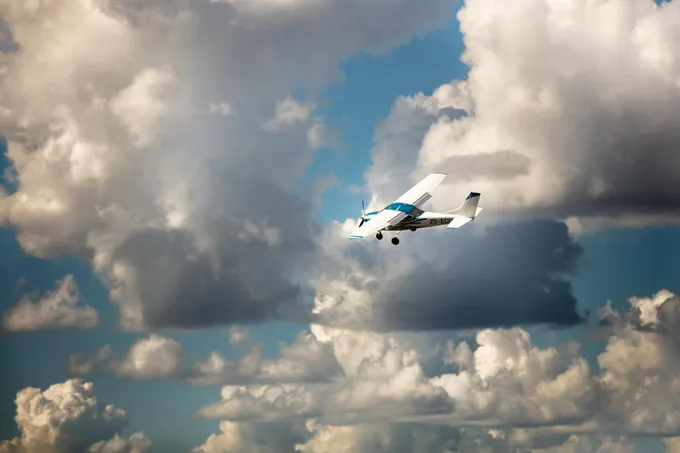
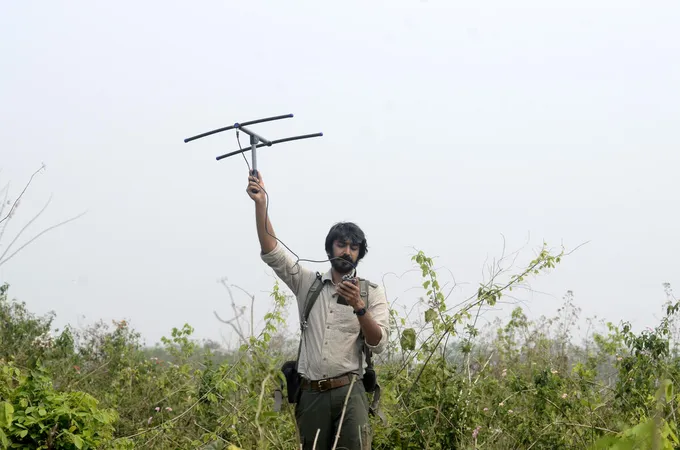
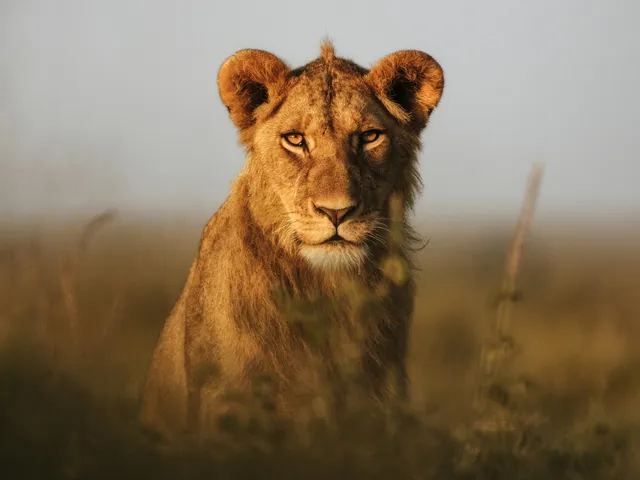
Satellite collars on lions track movement and dispersal, helping researchers identify wildlife corridors while also giving nearby communities advance warning when lions move close to villages. As a result, herders can move livestock to safety before conflict occurs. In Zambia, collaring lions for the first time in the Silowana Complex revealed how carnivores respond to growing wildlife populations and whether they're crossing borders to establish new range.
© James Morgan / WWF-US
© Subhamoy Bhattacharjee / WWF-US
Savanna elephants: Finding hidden pathways in a vast landscape
In Southern Africa, across the Kavango Zambezi Transfrontier Conservation Area (KAZA) landscape, decades of partnership and savanna elephant collaring have helped create the world’s largest elephant movement database. Tracking data showed that female elephants and their herds almost never cross veterinary fences; that temporary wet-season water sources can shape movement across the landscape; and that tiny “micro-corridors” through areas of dense human settlement can be critical passageways for elephants.
Because elephants cross national borders, no single country could have uncovered these patterns alone. By pooling movement data across KAZA, we’re gaining a much clearer picture of where elephants can move, where there are barriers, and other key insights—all thanks to collaring data.
Asian elephants: Answering the questions communities most need answered
Every harvest season in Assam, India, elephants arrive in Sonitpur district just in time to raid ripening rice and then disappear. For years, no one knew where they came from or where they went for the rest of the year. In 2021, WWF-India began fitting GPS collars on Asian elephants in partnership with the Assam Forest Department, starting with an elephant named Tara. By tracking the movements of these collared elephants and their herds, researchers gain valuable insights into how elephants navigate a fragmented landscape of forests, crop fields, human settlements, and tea plantations. In turn, they can develop strategies to manage conflict and foster coexistence between people and elephants.
Collars: A window into wildlife
Across species and landscapes, every signal from a collar offers a window into a wild life. By acknowledging that animals are individuals, we’re learning from their actions and keeping people and wildlife safer. Data from collaring provides vital indicators that inform how we implement conservation measures. The collar is a promise for coexistence. At least that’s one way to see it. We're determined to find ways to live with wildlife so that all of us can thrive.
© Chris Schmid
Pledge to protect nature
Do your part to protect what you love in your daily life. Nature needs us all more than ever.