What is the link between El Niño and climate change?
And other El Niño facts
El Niño is here but what do we know about its origins, possible links to climate change, and its impacts? WWF answers all your questions about El Niño and shares what we are doing to build resilience for people and wildlife.
© Antonio Busiello
Key takeaways
- El Niño is a natural climate cycle in the Pacific Ocean. It warms ocean waters, shifting the weather around the world.
- Climate change is making the impacts of El Niño more severe. It worsens coral bleaching, increases flooding, and disrupts fisheries.
- WWF helps people and nature adapt. We're working to strengthen communities' resilience by reducing the risks to fisheries and restoring mangroves.
What is El Niño?
The El Niño Southern Oscillation, often abbreviated to ENSO, is an ocean-climate cycle that naturally occurs across the Pacific Ocean. Oceanographic conditions are closely connected to the trade winds that sailors have relied on for thousands of years. El Niño events, the “warm” part of the ENSO cycle, start when Pacific trade winds, which “push” surface waters westward until they build up near Indonesia, weaken, allowing a pool of tropical, warm water to move towards the Central Pacific. The warm pool suppresses upwelling of cold, deep, nutrient-rich waters along the coast of South America. This change in Pacific waters reverberates through the global ocean-atmosphere system, resulting in changes to weather around the world.
Where does the name come from?
El Niño, meaning “the boy” in Spanish, was named by Peruvian fishers who noticed the distinctive change in weather and ocean temperature hundreds of years ago around Christmas time—their full name for the phenomenon was “El Niño de Navidad” (Christmas child) in reference to the holiday. El Niño events alternate with La Niña (“the girl”) events, which are characterized by stronger winds over the Pacific, cooler water temperatures and stronger upwelling in the Eastern Pacific.
How is climate change impacting El Niño?
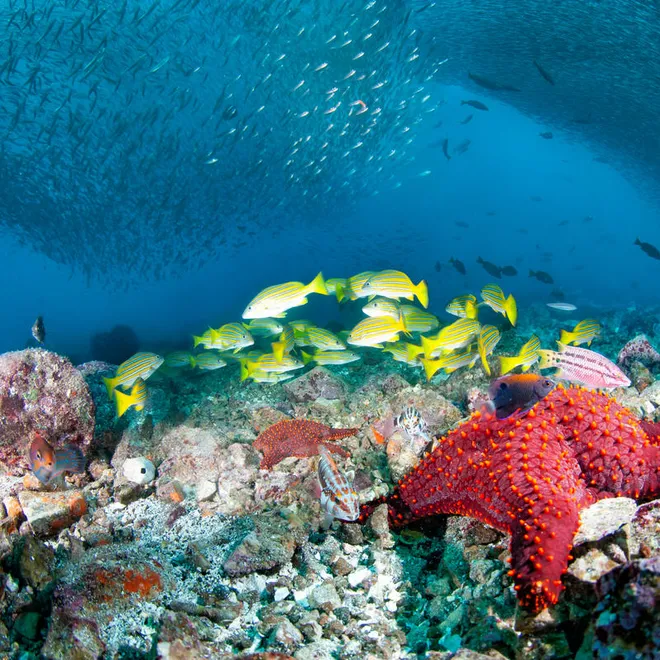
In combination with climate change, El Niño events make life harder. Our global climate is already at elevated temperatures and El Nino-driven warming from the Pacific Ocean adds additional strain onto wildlife, people, and infrastructure. New research1 also appears to show that climate change is directly influencing El Niño by strengthening and increasing the frequency of events—in particular, increasing coral bleaching frequency around the Galápagos Islands.2 Corals are resilient and can recover from bleaching, but only if the water returns to cooler temperatures for long periods of time. The more frequently bleaching occurs, the harder it is for corals, marine wildlife, and people who depend on marine ecosystems to recover.
What is happening this year?

© NOAA
The current El Niño event started in June 2026 and is already breaking records. Analysis of ocean temperature data for August has broken the record for the hottest month in recorded history. The previous record was set just one month before, in July of this year. The National Oceanic and Atmospheric Administration (NOAA) predicts this year’s El Niño to reach “very strong” levels, the highest designation for these types of events and met when Pacific Ocean temperatures rise by 3.6°F (2°C) or more. This rise in temperature can be catastrophic for marine wildlife.
Why should you be aware of El Niño?
Although impacts are most strongly felt along the coasts in Eastern Pacific countries like Ecuador and Peru, the impacts of El Niño are far reaching. Some parts of the world, including the United States, get heavier rains and hurricanes, while others, like India and the Horn of Africa, can experience severe drought. Marine wildlife can also be heavily affected and move towards cooler waters if possible. This shift from normal weather trends can lead to agricultural and fishing crises, raise food prices, and harm wildlife and their habitats.
What has happened with El Niño the past?
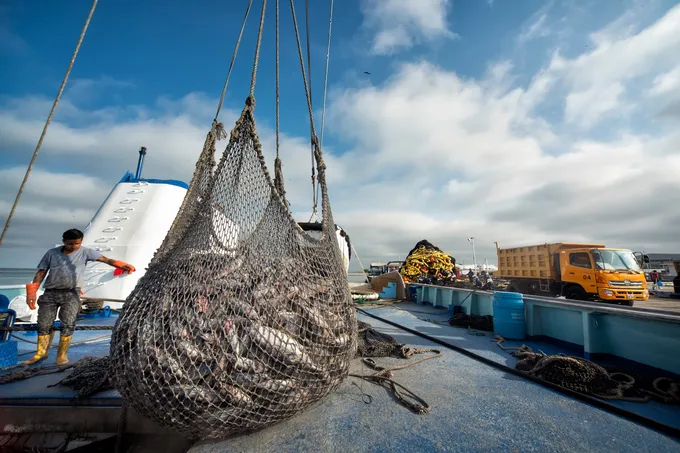
Previous El Niño events have caused a range of devastation around the world. Around Ecuador’s Galápagos Islands, heatwaves caused by El Niño have led to mass coral bleaching and die offs of marine iguanas and sea lions. Suitable habitat for fish can change, in some cases contracting to smaller, more coastal areas and in other cases sending fish deeper. Global fishing fleets experience disruptions and conflict over fish stocks is three times more likely during El Nino events,3 increasing geopolitical tensions, threatening environmental sustainability, and increasing the risk of interstate conflict. Conflict undermines trust, governance, and human and food security.
How long does El Niño last?
El Niño events typically lasts about one year while La Niña events can last up to four. However, the economic and biological recovery from El Niño can last for much longer, depending on the strength of the event. The last El Niño event ran from 2023-2024 and was rated “moderate” by NOAA.
What is WWF doing?
© Antonio Busiello / WWF-US
© NICK RILEY/WWF-MADAGASCAR
El Niño has become a worrying event for people around the world, but WWF is working to improve resilience and help people and wildlife adapt to extreme weather.
- Our Oceans Futures platform uses observations of fisheries conflict, like those associated with previous El Niño events, to identify future climate and fisheries risks and work to stop them before they happen.
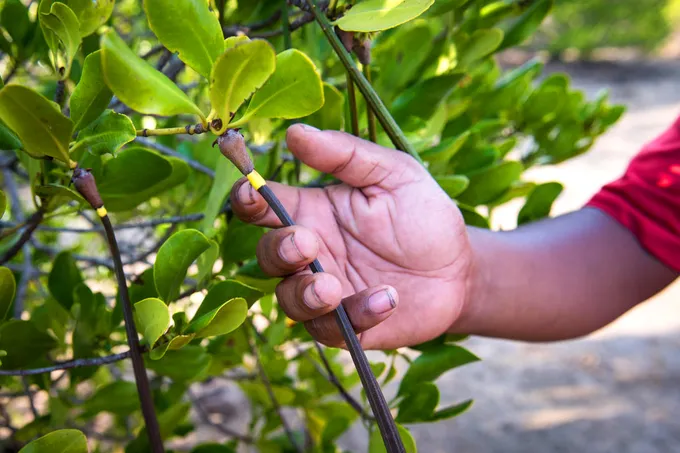
- Mangrove forests protect people and infrastructure from weather like extreme waves and hurricanes. WWF has been working with coastal communities to protect and restore the coastal forests in Mexico, Colombia, Ecuador, and in other parts of the world for over a decade.
Oceans will weather El Niño but it’s only through collaboration and support across governments, the private sector, and local communities that we can minimize its impacts.