Toward the light
Early in my career, when I managed part of the science and strategy programs for The Nature Conservancy, I gave a speech at the University of California, Santa Barbara, about longer-term environmental trajectories in the world and the imperative for us to act quickly. Afterward, a brilliant but curmudgeonly scientist came up to me and said, “It must be tough to be Cassandra*, predicting all of the terrible things that are going to happen in the world, and nobody is listening.”
In the moment, I knew what he meant. And it has become ever more clear to me now that our role at WWF is to do just that—to speak clearly and emphatically about the problems the world faces. And to then pivot to what needs to be done to address these problems in order to save the planet and ourselves.

© WWF-US/Deb Lindsey
I was recently reflecting on the advice of Chris Anderson, who purchased TED and scaled TED Talks globally to great effect. In his book TED Talks: The Official TED Guide to Public Speaking, he advises people that in the 18 minutes they have on the stage, they should spend two to three minutes talking about the problem that they faced and the remaining 15 minutes making the audience fall in love with their solution: the idea, the details, and the difference it will make in the world.
I think that model is a good analogy for our conservation work. We spend some time articulating the challenges, but we commit most of our time, and certainly the vast majority of our energy, to concocting solutions that are big enough to matter—and then bringing them to life with gusto. I often say life is about execution. And our supporters, our partners, and our staff demand solutions that are not just muttered but articulated, and not just spoken but actually delivered on, through thick and through thin, in the midst of an imperfect world.
In the November edition of the magazine, you’ll find two articles that exemplify this approach. Our chief scientist, Dr. Rebecca Shaw, writes about our biennial scientific analysis, the Living Planet Report, which tracks biodiversity trends. She pivots from the loss of nature to creating inspiring solutions that help shift trends from negative to positive.
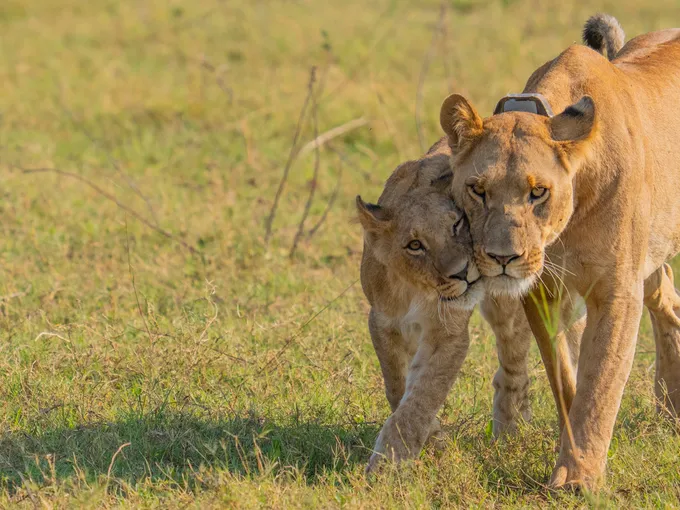
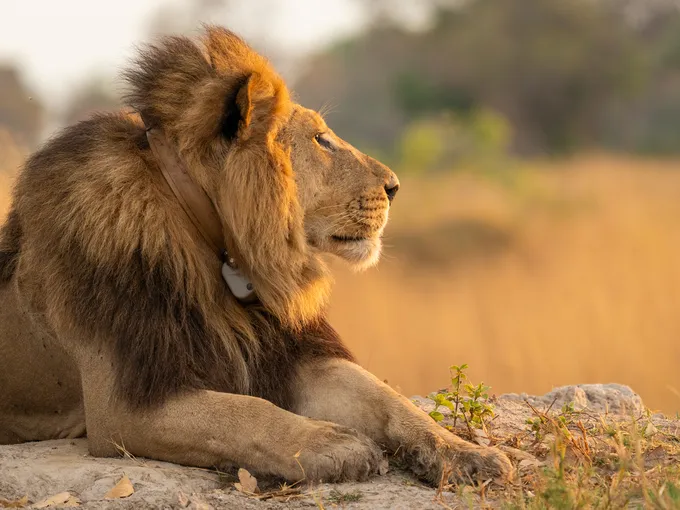
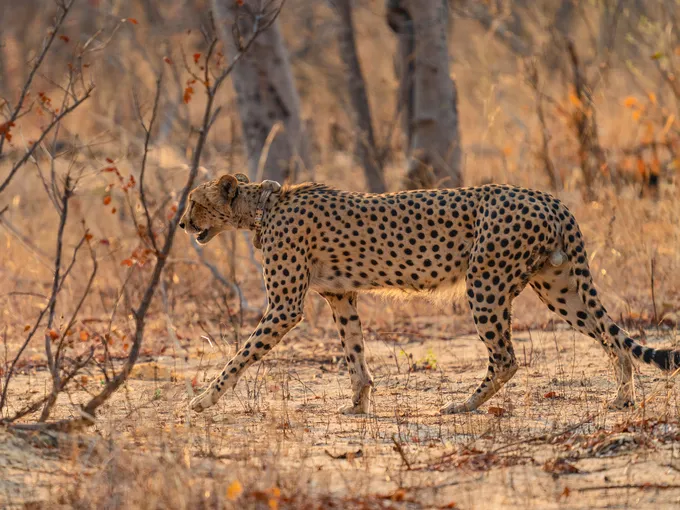
You will also read about one of the planet’s most astonishing success stories—the Kavango-Zambezi Transfrontier Conservation Area, or KAZA—where five national governments, a host of community conservancies, tourism partners, and other NGOs are working together to restore wildlife, manage conflict, and bring balance and prosperity to this extraordinary spot in the heart of southern Africa. The work there that’s helping communities and carnivores coexist is truly a case of walking the talk.
“We commit most of our time, and certainly the vast majority of our energy, to concocting solutions that are big enough to matter.”
There is no question that we live and work in a world that is filled with challenges that can break people’s spirits and make it hard to imagine how to right the ship. In response, the great gratification in our work is found in conceiving smart solutions and making them happen—on the ground, in capital cities, and in corporate boardrooms around the world.
I love this part of our work. It is what makes us able to stand up to all the frightening realities we confront on a daily basis and run toward the light—and give the world hope at the same time. It’s what conservation is all about.
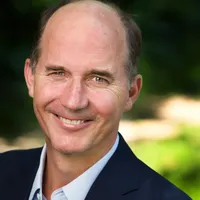
Carter Roberts
President & CEO, WWF-US
*In Greek mythology, Cassandra was cursed by Apollo to speak true prophecies that no one would ever believe.

© Juozas Cernius / WWF-UK
Explore more
Keep reading this issue of World Wildlife magazine