Two trailblazing Indigenous women protect Malaysia’s critically endangered tigers

© WWF-MALAYSIA
What is your relationship to Malaysia’s tigers?
RK: Orang Asli believe tigers are guardians of the forest. Our relationship is based on mutual respect. If we take care of the forest and do not destroy nature, the tiger will not disturb humans. I feel like tigers are our friends. We must protect them.
SA: We have been taught the ways of the forest and to care about it. Customs and taboos are important to us, including using respectful forms of address when in the forest. Many Orang Asli communities deeply respect wild animals, especially the tiger.
What excites you most about your work?
RK: I’ve wanted to become a ranger since I was young. When I learned there was an opportunity to protect the forest and wildlife—especially tigers—I felt this was a truly meaningful job. I love entering the forest to install camera traps.
SA: For me, it’s the challenge. When I first learned I would be wearing the WWF uniform, I was very happy and overwhelmed. I am motivated to gain new knowledge. There is much to learn from the forest and nature.
© Umi Rahman/WWF-Malaysia
NAMES
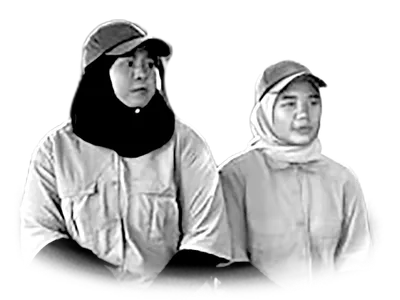
Risslin “Milah” Kamarollah & Suzana binti Ali
HOME
Royal Belum State Park, Malaysia
ABOUT
The first women from their Indigenous Jahai community—part of Malaysia’s Orang Asli, or First Peoples—to serve as full-time rangers, Kamarollah and Ali are helping protect the country’s last remaining tigers. As members of a community antipoaching team supported by WWF-Malaysia, the two navigate remote rainforest terrain, patrol for snares and other poaching activity, and set camera traps to monitor wildlife—skills once considered taboo for women in their community.
Have you overcome any barriers in your role?
RK: The work is tiring and physically demanding, and there are people who think forest work is only for men. But I proved myself through my work. I learned, followed instructions, and did my best. Over time, people began to see that Jahai women are also capable of being rangers and taking good care of the forest.
SA: As a housewife, becoming a ranger was not easy—and not something I chose lightly. It required courage and pushing beyond my limits.
What does it mean to you to be one of your community’s first female rangers?
SA: I cannot believe we made it. But I don’t represent myself alone; I also carry the name of my family and my Jahai community. I hope to help protect both the forest and Orang Asli heritage so they can continue to live on.
RK: It’s a great source of pride. I’m not just doing this for myself, but also to set an example for other women in our community—to be brave and to believe in themselves. Women are not weak; we can do anything—and we should not be afraid to try something new.
‘Women are not weak’: Meet Malaysia’s female tiger rangers
Two women from the Indigenous Jahai people are re-writing centuries of gender norms to save one of Earth’s most endangered big cats. From “Mission Tiger” on CNN.com.

© CNN

© Juozas Cernius / WWF-UK
Explore more
Keep reading this issue of World Wildlife magazine