What animals live in the Great Plains?
Bison, black-footed ferrets, prairie dogs, and a host of other species live in America's amazing grasslands.
© WWF-US/Clay Bolt
© 2018 Chris Boyer--Kestrel Aerial Services
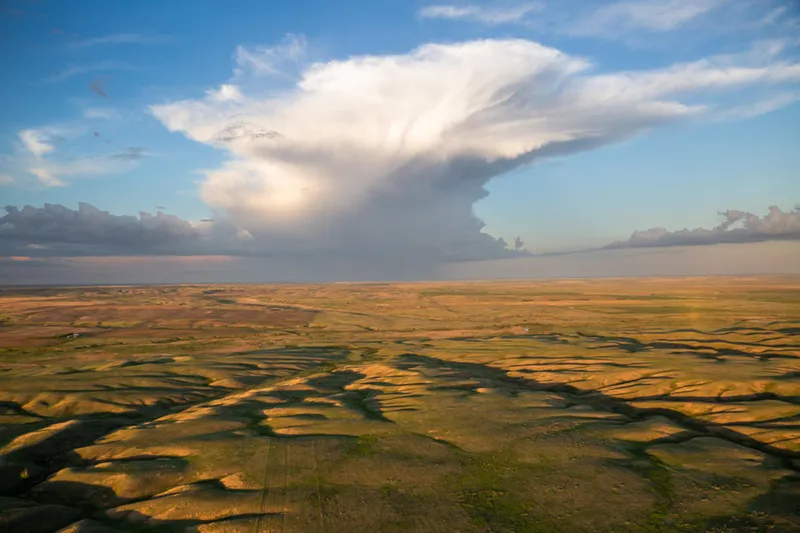
The Great Plains span North America from Canada to Mexico, forming one of the largest temperate grassland systems on Earth. Since 2002, WWF has worked in this part of the country to conserve and restore the region’s natural heritage and native wildlife. This sea of grass—spanning nearly 700 million acres—is shaped by a semi-arid climate, with shortgrass prairie in the drier west and tallgrass prairie in the more humid east. It supports 2,900 plant species and provides habitat for 200 bird species, 120 mammal species, 150 reptile and amphibian species, more than 100 fish species, and thousands of insect species.
Today, the sights and sounds of the prairie are threatened by plow-up for row-crop agriculture, non-native disease, human intolerance, invasive plants including trees and shrubs, and resource extraction. In many places, the species that shaped the American West are struggling to survive.
So which animals live in this beautiful region, and why do they matter?
Bison

© WWF-US/Clay Bolt
Strong and majestic, plains bison once numbered in the tens of millions in North America, but their population plummeted during westward expansion in the 1800s. Today, WWF works with Native Nations and other partners to establish, expand, and sustain large bison herds to benefit the land, other wildlife, and the communities who welcome them home.
Black-footed ferrets
© WWF-US/Clay Bolt
© John Ashley Fine Art
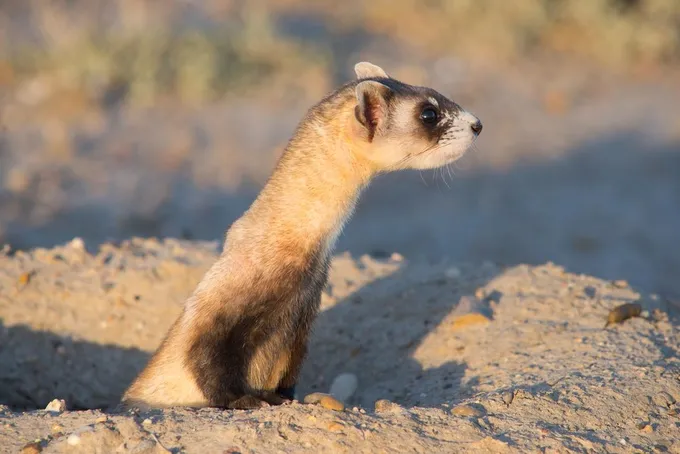
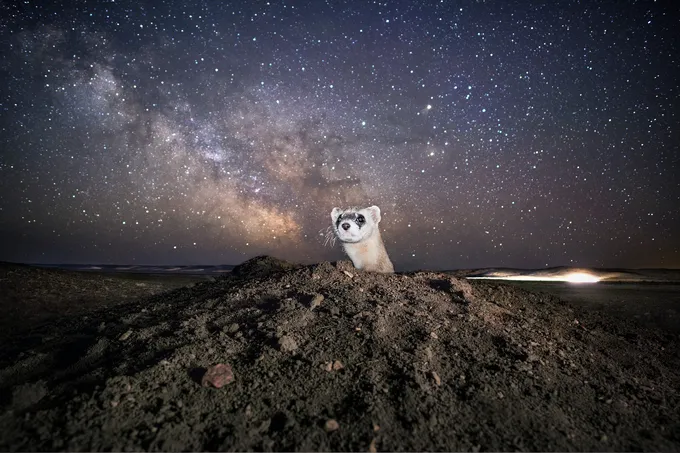
Twice thought extinct, black-footed ferrets currently number fewer than 300 in the wild—far short of the 3,000 needed to recover the species. The main threats are habitat limitations and sylvatic plague—a non-native disease. WWF and partners are working to sustain existing ferret populations, establish new ones, and develop new ways to prevent plague. Black-footed ferrets depend on large prairie dog colonies for shelter, food, and raising young, so recovery requires healthy prairie dog populations, too.
Black-tailed prairie dogs
Black-tailed prairie dogs live in large colonies of many family units and dig extensive burrow systems with distinctive mounds at the entrances. Their populations have declined by more than 90% from historic numbers, largely due to habitat conversion, poisoning, and sylvatic plague, a non-native disease. As a keystone species, prairie dogs support an entire grassland ecosystem. Their burrows and grazing shape habitat for dozens of other species and are a primary prey source for many carnivores, including the endangered black-footed ferret. WWF and partners are working to conserve and restore prairie dog colonies and manage plague, recognizing that a healthy Great Plains depends on their recovery.

© Conservation Media / WWF-US
Pronghorn

© Alexis Bonogofsky
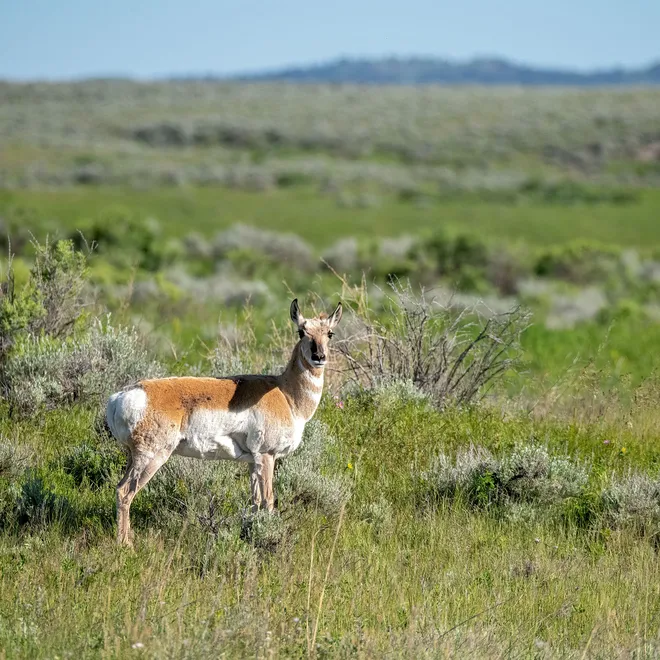
Pronghorn are the fastest terrestrial animals in North America and can clip across the plains at 60 miles per hour. But they’re running into trouble migrating; many of the corridors they use year after year are now fragmented by roads, fences, and energy development. WWF previously studied pronghorn migrations to ensure their travel routes remain viable, and today actively works to improve fencing and livestock management infrastructure within their migration corridors in Montana and Wyoming.
Swift foxes

© naturepl.com / Gerrit Vyn / WWF
Swift foxes, roughly the size of an average house cat, can run up to 40 miles per hour in short bursts. This allows them to catch fast prey like jackrabbits and avoid being killed by coyotes—their primary predator. They prefer open, short-statured grassland habitat and depend on a series of dens throughout the year as protection from weather and predators. Once considered abundant, swift fox numbers and distribution declined substantially in the late 1800s and early 1900s due to human persecution, conversion of native grassland to cropland, and predation and competitive exclusion by coyotes and red foxes. WWF has supported reintroduction efforts on tribal and private lands to recover populations.
Greater sage-grouse
These dignified prairie birds perform elaborate mating dances on areas they have used for hundreds of years. Habitat degradation associated with energy development, such as wells, roads, power lines, and buildings, decreases sage-grouse nesting success. Across the Great Plains, WWF is helping conserve and restore native grasslands that provide essential habitat for migratory and resident bird species. Through WWF's Sustainable Ranching Initiative, ranchers managing more than a million acres are participating in long-term grassland conservation, improved grazing management, and ecological monitoring, including tracking grassland bird diversity and abundance.

© Daniel J. Cox/NaturalExposures.com / WWF-US
Beavers
© Bruce D Taubert
© Don Getty
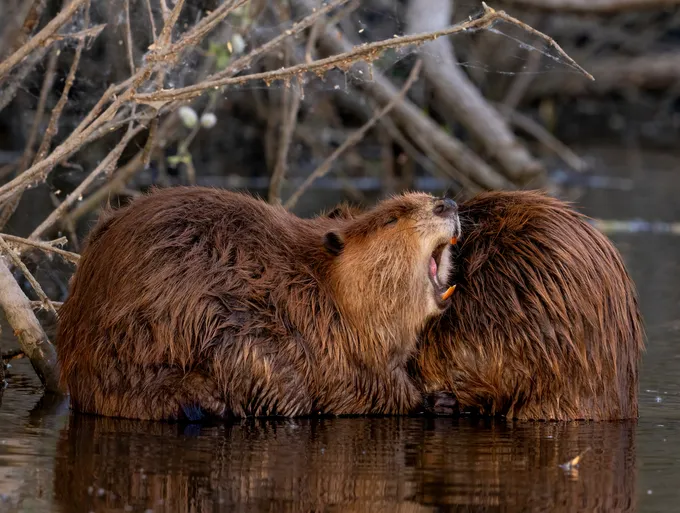
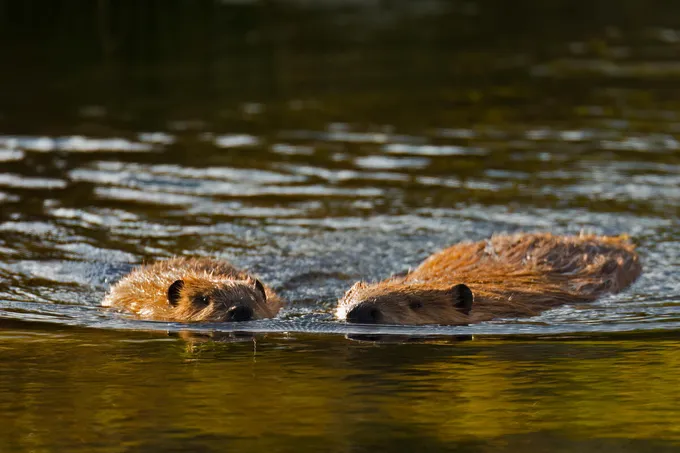
Beavers are large rodents found across most of North America, recognizable by their orange teeth and flat, paddle-shaped tails. This keystone species play a significant ecological role in creating wetland habitats that support many other species like frogs, fish, birds, and a wide range of plants. Their skillfully built dams moderate freshwater flows, reducing flooding during heavy rainstorms and keeping streams flowing during dry periods while serving as natural water filters. WWF is working with ranchers in the Great Plains to improve the condition of prairie streams by building beaver dam analogs—human-made structures based on beaver dams—that retain floodwaters and provide habitat for beavers; some landowners are seeing beavers return as conditions improve.
Southern plains bumble bees

© Clay Bolt
The threatened southern plains bumble bee is one of hundreds of native bee species found in North American grasslands, which provide essential nesting and foraging habitat for these pollinators. Among the continent's 4,000 native bee species, many are experiencing declines due to grassland conversion and exposure to pesticides. Across the Great Plains, WWF is working with Native Nations and the ranching community to restore previously plowed grasslands, benefiting pollinators and other wildlife, while creating high-quality forage for grazers.
© WWF-US / WWFGifts
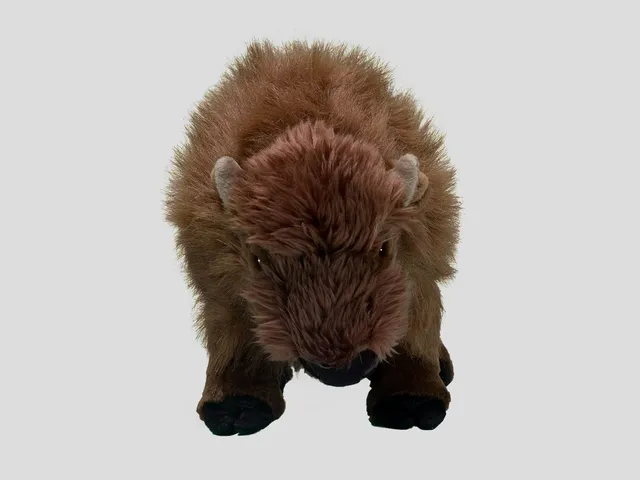
Adopt a bison
Support WWF’s global efforts to protect wild animals and their habitats and choose from kits with plush and more.