Fall 2026
In this issue, read about how farmers, ranchers, beekeepers, and a host of local, state, national, and international partners are working with WWF to protect the incredible Maya forest in Mexico’s Yucatán Peninsula.
In addition, since 2017, NOAA and WWF have been protecting nesting leatherback sea turtles and their eggs along a nine-mile stretch of beach in Buru Island, Indonesia. The local community has nearly eliminated egg poaching.
See the full list of articles below.

© WWF
In depth
In Mexico's Yucatan Peninsula, protecting a historic and biodiverse landscape

© WWF-US/Alejandro Prieto
An Indonesian island commits to safeguarding the world’s biggest turtle
On Indonesia’s Buru Island, communities are helping endangered leatherback turtles recover through protection, monitoring, and education.

© WWF-US/Sirachai Arunrugstichai
All articles
-
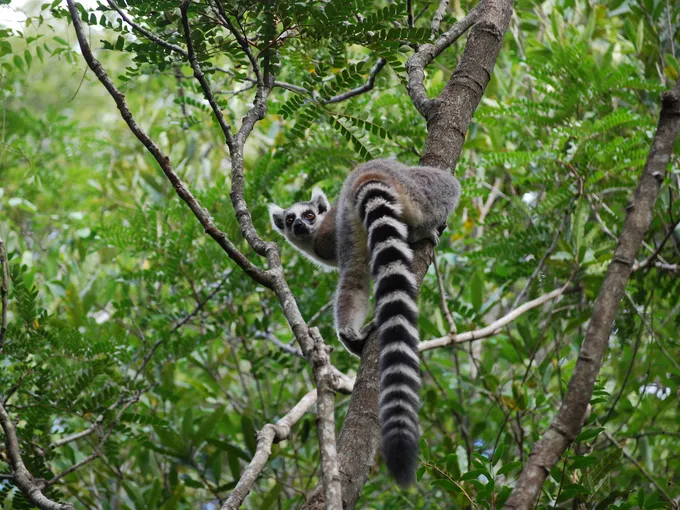
In Madagascar, sustainable jobs help communities protect forests, reduce poverty, and safeguard endangered wildlife like lemurs.
-
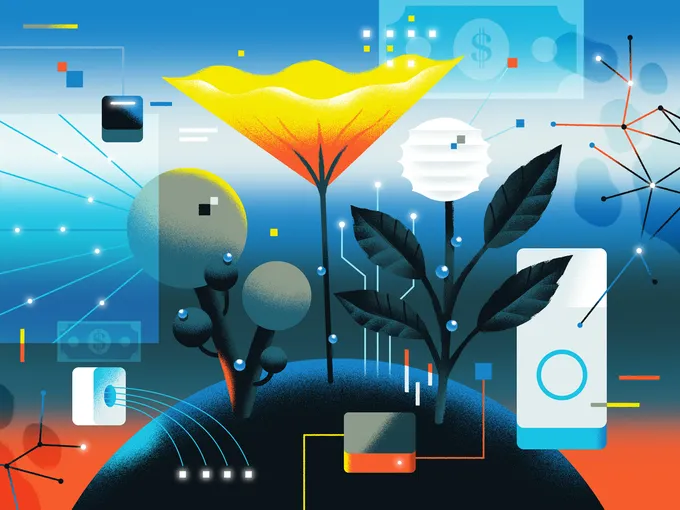
Discover how innovative investments can reduce waste and benefit nature and communities.
-
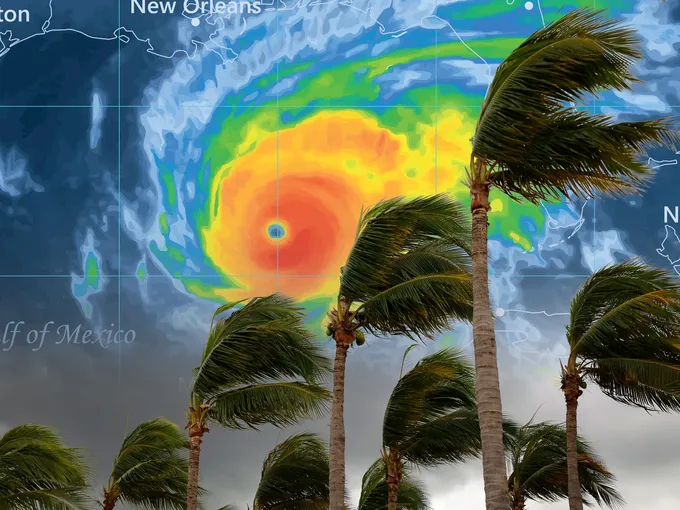
Nature-based solutions can reduce climate risks, lower disaster costs, and help close the growing insurance protection gap.
-
WWF award winner Emmy Scott explains how local action, youth leadership, and community projects can drive lasting conservation impact.
-
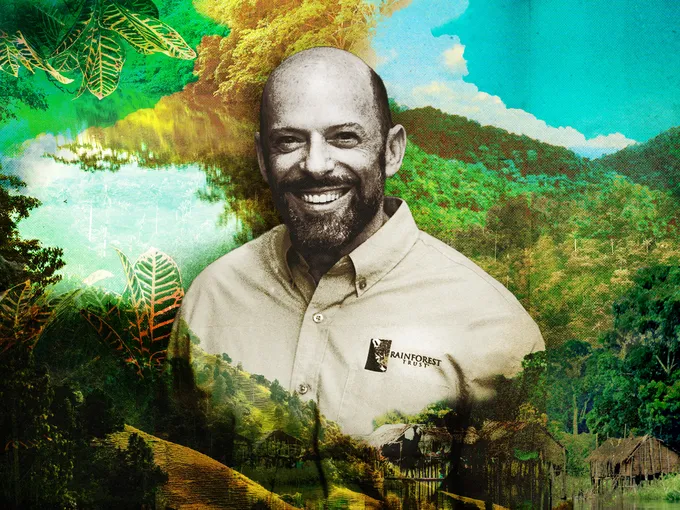
Rainforest Trust CEO James Deutsch shares lessons on climate action, Indigenous leadership, and protecting nature at scale.
-
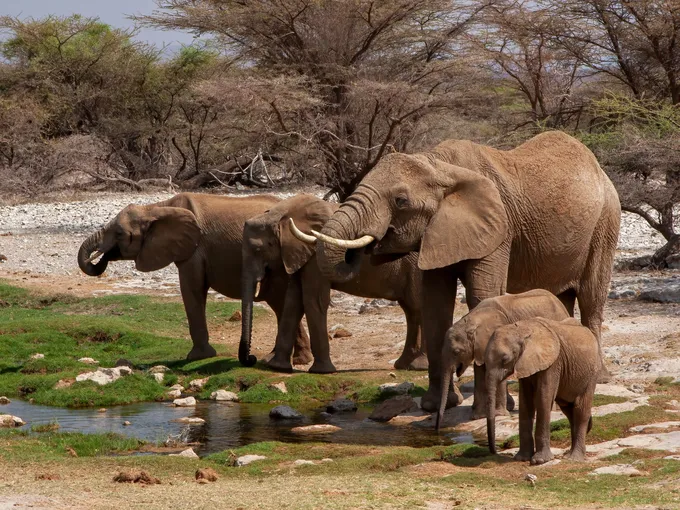
Philanthropist Sam Rose shares his admiration for elephants and why supporting conservation is critical for wildlife and our planet.
-
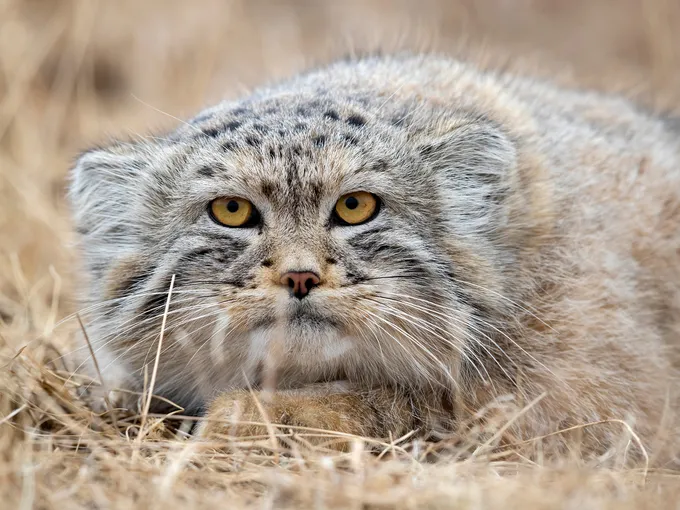
The Pallas’s cat is adapted to harsh climates, using unique traits to survive, hunt, and evade predators across Central Asia.
-
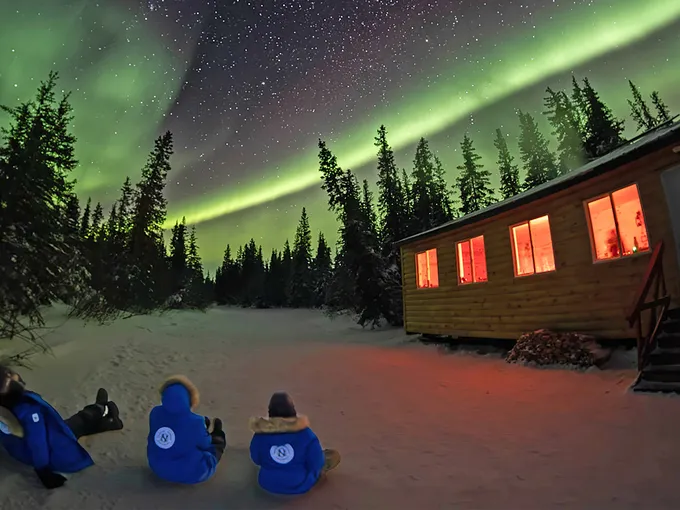
Winter in Hudson Bay reveals polar bears, hidden biodiversity, and a harsh yet captivating Arctic landscape shaped by extreme conditions.
-
Gallery
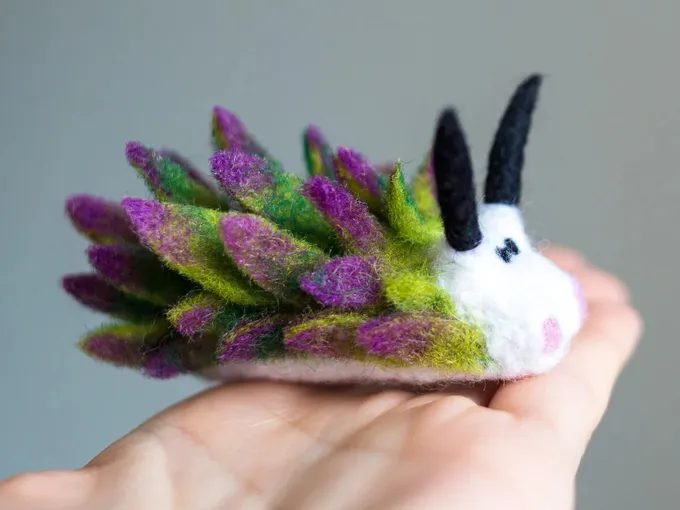
Inspired by colorful sea slugs, artist Arina Borevich creates intricate wool sculptures that celebrate ocean biodiversity. -
Discover easy ways to conserve water at home and help protect rivers, lakes, wetlands, and the wildlife that depend on them.